

Month-to-month rentals in Minnesota offer a unique approach to housing agreements. These flexible arrangements differ significantly from traditional fixed-term leases, providing both tenants and landlords with distinct advantages and challenges.
At Up North Property Management, we’ve seen a growing interest in month-to-month rentals MN. This blog post will explore the legal aspects, pros, and cons of these short-term agreements to help you make informed decisions about your rental options in Minnesota.
What Are Month-to-Month Rentals in Minnesota?
Definition and Basics
Month-to-month rentals in Minnesota represent rental agreements that automatically renew each month until the tenant or landlord decides to end the arrangement. These short-term leases offer flexibility for both parties, allowing for changes or termination with proper notice.
Comparison with Fixed-Term Leases
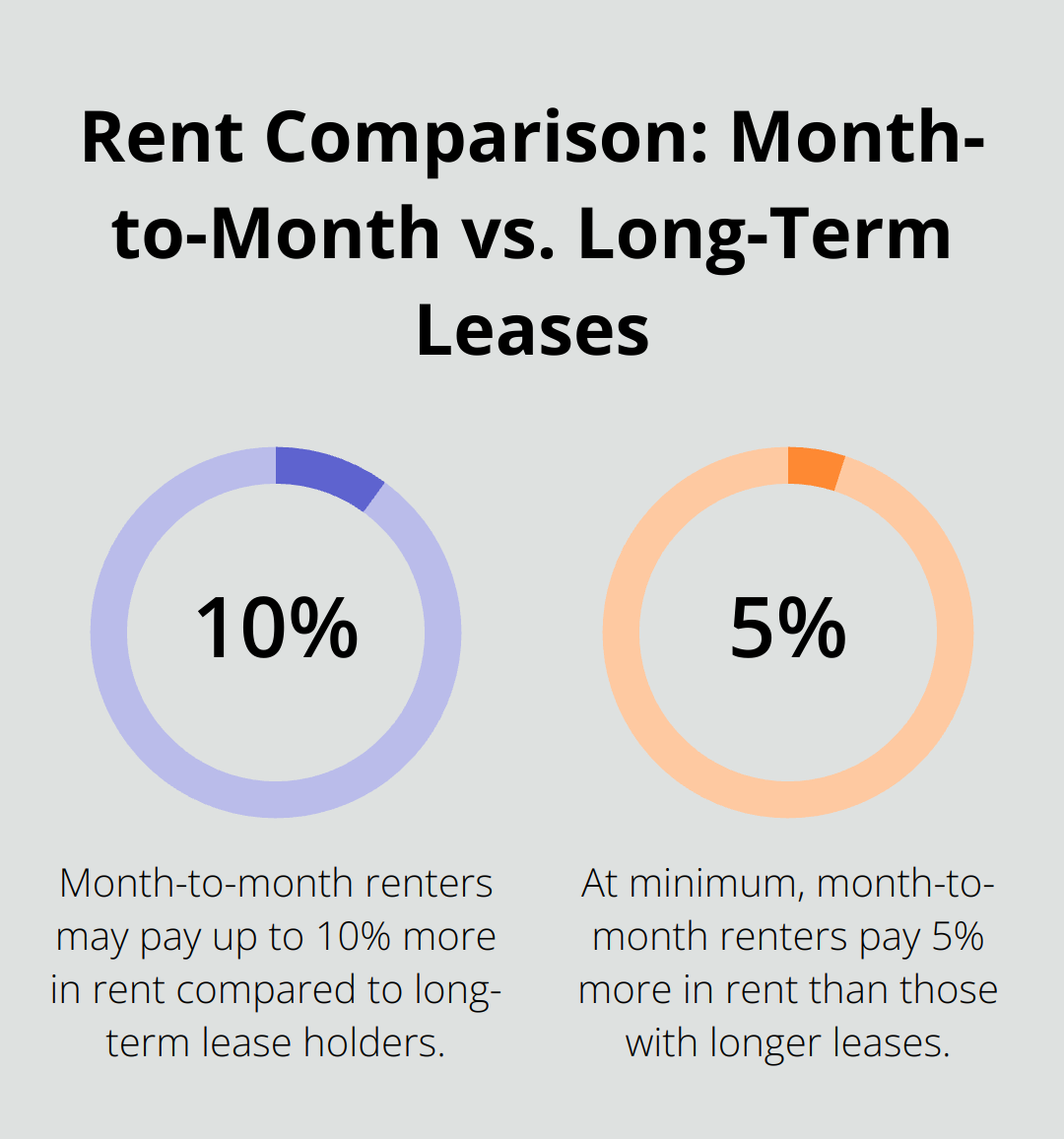
Unlike fixed-term leases that commit tenants and landlords to a set period (usually a year), month-to-month rentals in Minnesota provide more freedom. Tenants can move out with just one month’s notice, while landlords can adjust rent or end the tenancy more easily. This flexibility comes at a cost, though. Recent data from the Minnesota Housing Partnership indicates that month-to-month renters often pay 5-10% more in rent compared to those with longer leases.
Popularity Surge in Short-Term Rentals
Minnesota has experienced changes in its rental market. As of June 2025, Minnesota’s unemployment rate was 3.3%, compared to 4.2% nationally. This economic context may influence the demand for various types of rental agreements, including month-to-month rentals.
Legal Framework
Minnesota law provides specific protections for tenants in month-to-month rentals. According to the Minnesota Attorney General’s Office, landlords must provide a proper, written notice to vacate the rental property at least one day before the last rental period begins. This ensures tenants have adequate time to prepare for any changes in their living situation.
Market Adaptation
The rental market in Minnesota continues to evolve to meet changing tenant needs. Many property management companies now offer flexible lease options for their properties. This adaptation caters to the diverse requirements of tenants in the dynamic Minnesota rental market.
As we move forward, let’s explore the legal aspects of month-to-month rentals in Minnesota in more detail, including specific tenant and landlord rights that shape these agreements.
Legal Landscape of Month-to-Month Rentals in Minnesota
Notice Period for Termination
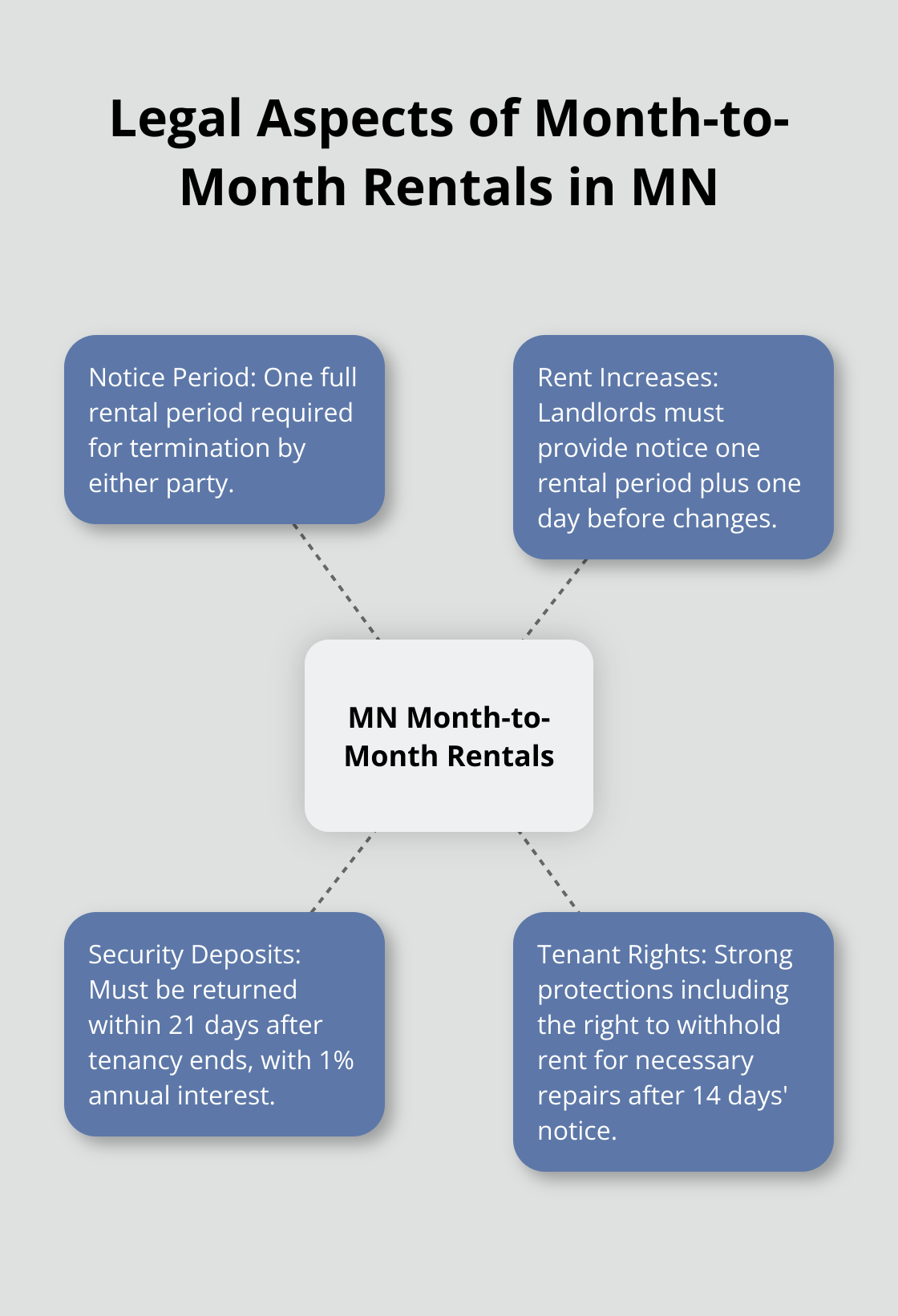
Minnesota law requires both tenants and landlords to provide written notice at least one full rental period before ending a month-to-month tenancy. This means you must give notice before the first day of the final month you’ll stay. For instance, if you plan to move out on July 31, you must notify your landlord no later than June 30.
Rent Increases and Lease Changes
Landlords in Minnesota must notify tenants at least one rental period plus one day before raising rent or changing lease terms. This allows tenants to decide whether to accept the new terms or find alternative housing.
Security Deposit Regulations
Minnesota law requires landlords to return deposits within 21 days after the tenancy ends, including 1% annual interest. They must provide a written explanation if they withhold any portion of the deposit.
Tenant Rights and Protections
Minnesota law offers strong protections for tenants. Landlords must maintain properties in compliance with health and safety codes. Tenants may withhold rent if landlords fail to make necessary repairs within 14 days of written notice (though this action should be taken cautiously and ideally with legal advice).
Dispute Resolution
The importance of understanding your rights and responsibilities in a month-to-month rental agreement cannot be overstated. To avoid potential conflicts, tenants and landlords should familiarize themselves with local housing laws and maintain open communication.
As we explore the advantages and disadvantages of month-to-month rentals, it’s essential to keep these legal considerations in mind. The flexibility of these agreements comes with specific rights and obligations for both parties.
Is Month-to-Month Renting Right for You?
Flexibility: A Double-Edged Sword
Month-to-month rentals offer unparalleled flexibility. Tenants can relocate for job opportunities or personal reasons without breaking a long-term lease. This flexibility proves valuable in Minnesota’s dynamic job market (unemployment rate: 3.3% as of May 2025, according to the Minnesota Department of Employment and Economic Development).
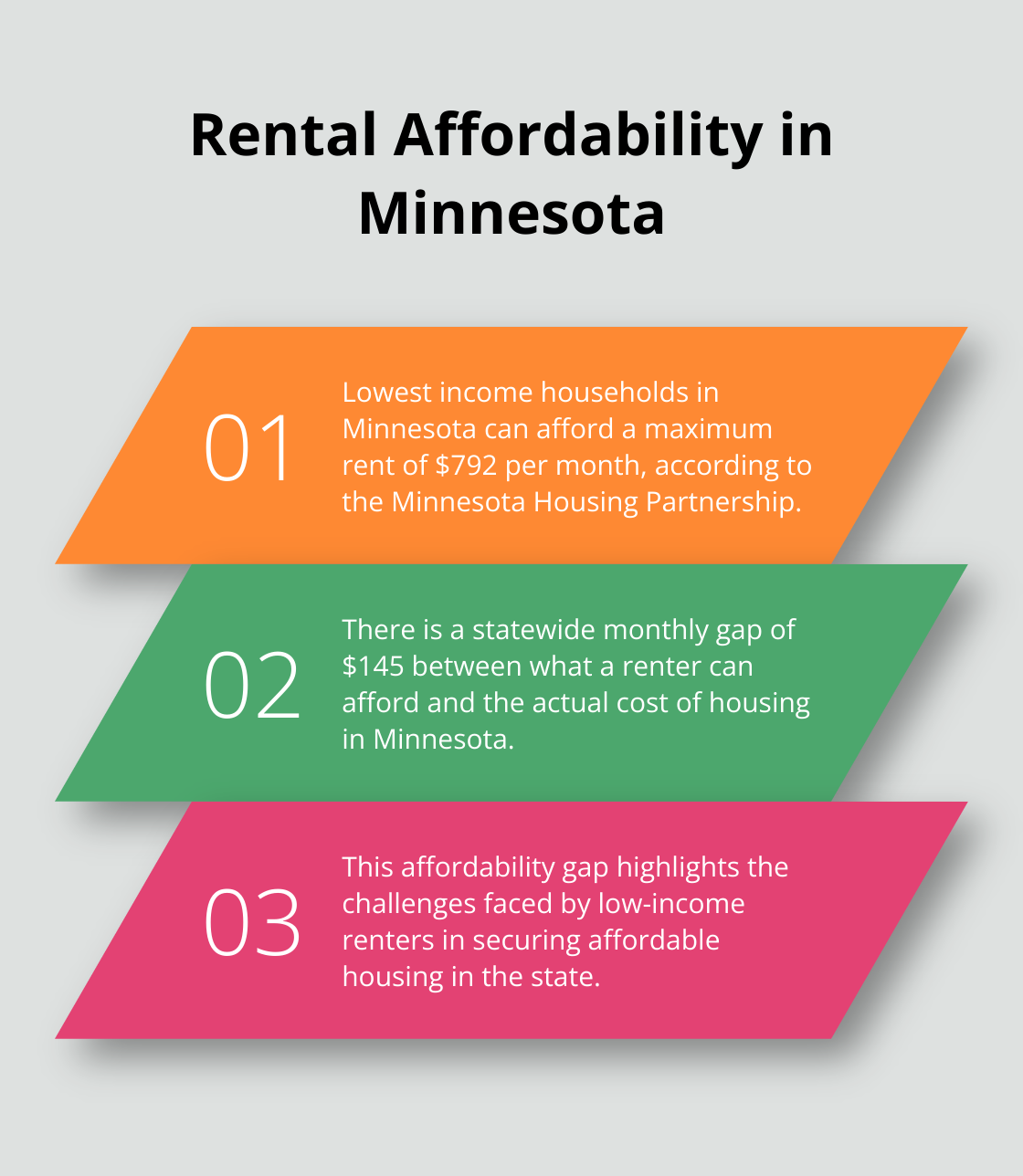
However, this flexibility comes at a price. The Minnesota Housing Partnership reports that the lowest income households in Minnesota can afford just $792 per month in rent, with a statewide monthly gap of $145 between what a renter can afford and the actual cost of housing.
Financial Considerations for Tenants
Tenants should budget for potential rent increases and prepare for the possibility of moving on short notice. It’s wise to maintain an emergency fund covering at least one month’s rent and moving expenses. This financial cushion provides peace of mind and readiness for unexpected changes.
Landlord’s Perspective
For landlords, month-to-month rentals allow more frequent rent adjustments to keep pace with market rates. This benefit proves particularly useful in areas with rapidly changing property values. However, landlords must balance these adjustments with tenant retention, as excessive increases may lead to higher turnover rates.
Stability and Community Impact
The lack of long-term commitment in month-to-month rentals can challenge both parties. Tenants may feel less settled, potentially impacting their sense of community and long-term planning. Landlords face uncertainty in their rental income and may struggle with long-term property management strategies.
Communication is Key
To mitigate these challenges, open communication proves essential. Tenants should discuss their intentions to stay or leave well in advance, while landlords should provide ample notice of any changes to rent or lease terms. Regular check-ins between landlords and tenants help maintain a balance between flexibility and stability, ensuring a positive experience for all parties involved.
Final Thoughts
Month-to-month rentals in Minnesota offer flexibility for tenants and landlords alike. These agreements allow quick adaptation to changing circumstances but require careful consideration of potential rent increases and move-out notices. Tenants and landlords must understand their rights and responsibilities under Minnesota law to prevent misunderstandings and disputes.
Open communication proves essential in month-to-month rental arrangements. Regular dialogue between tenants and landlords helps maintain a balance between flexibility and stability. This approach ensures a positive experience for all parties involved in these short-term agreements.
Up North Property Management provides full-service vacation rental management in Northern Minnesota. We handle marketing, maintenance, and guest relations, allowing property owners to enjoy hassle-free income (while guests create lasting memories in the beautiful Northern Lakes Area). Our expertise in month-to-month rentals MN can help both tenants and landlords navigate this unique rental landscape.