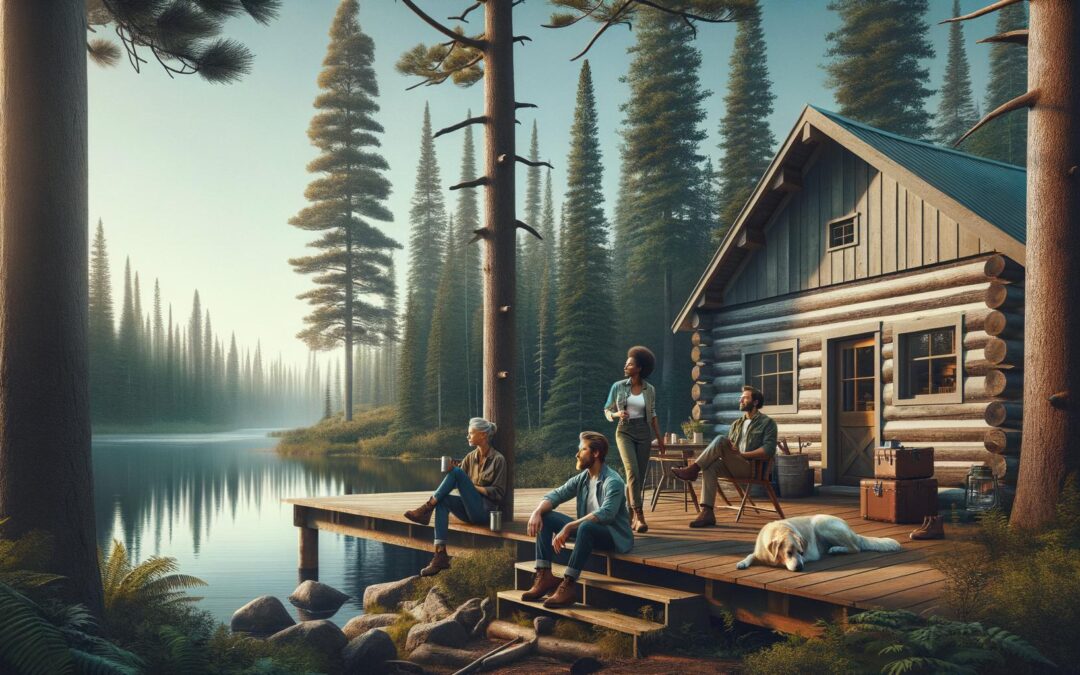
Minnesota’s vast wilderness holds some of the most remote getaways in the Midwest. These secluded cabins in Minnesota offer complete privacy away from crowded tourist spots.
We at Up North Property Management know that finding truly isolated properties requires insider knowledge. The right cabin can transform your vacation into a genuine wilderness experience.
Where to Find Minnesota’s Most Remote Cabins
The Boundary Waters Canoe Area Wilderness contains Minnesota’s most isolated cabin rentals, with properties that require canoe or hiking trail access only. Devil Track Lake 215 in Grand Marais provides year-round access and stunning sunset views, while the secluded A-frame cabin on Little Devil Track River offers prime spots for anglers from May through November. These cabins sit miles from the nearest road, with some properties that demand a 30-minute paddle to reach your front door.
Superior National Forest Remote Properties
Superior National Forest hides exceptional off-grid options that most travelers never find. The Off-Grid Cabin in Duluth spans 40 secluded wooded acres and accommodates only three guests maximum. Guests must bring their own water (one gallon per person per day), and the property requires physical fitness due to steep ladder access to the loft. Local stores like Menards and Holiday in Duluth sell the two bundles of firewood you need daily for heat and meals.
Northern Lakes Hidden Retreats
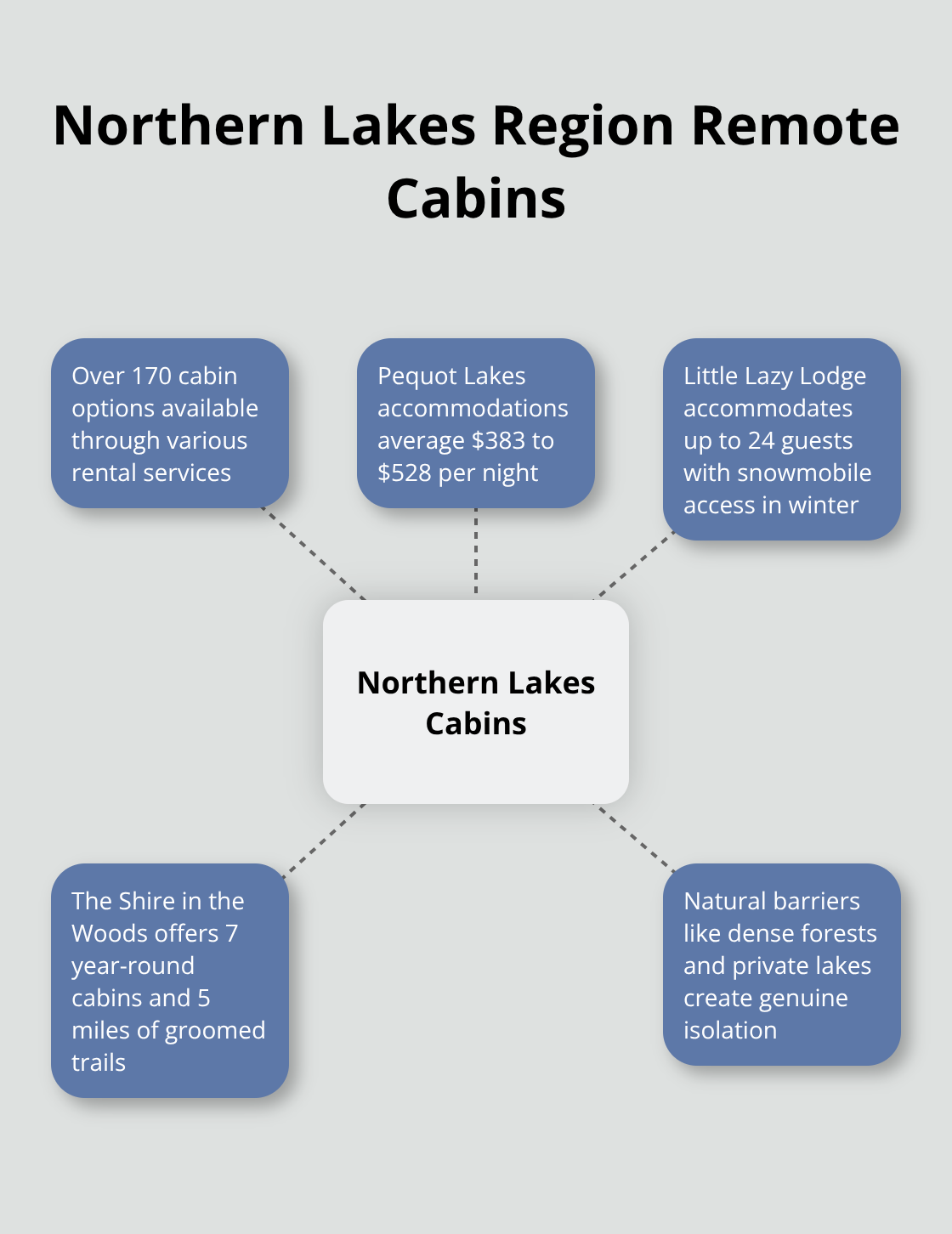
The Northern Lakes region offers the most variety for remote stays, with over 170 cabin options through various rental services. The Little Lazy Lodge accommodates up to 24 guests and provides snowmobile access during winter months. Pequot Lakes averages $383 to $528 per night for wilderness accommodations, while the Shire in the Woods sits 18 miles east of Mille Lacs Lake with seven year-round cabins and 5 miles of groomed trails. These properties feature natural barriers like dense forests and private lakes that create genuine isolation from civilization.
Private Island Escapes
Minnesota offers unique private island cabin rentals that provide ultimate seclusion. The A-frame cabin on Juggler Lake sits on its own private island, accessible only by boat or canoe. This exclusive retreat offers private beaches and untouched wilderness (perfect for those who want complete privacy). These island properties typically cost more than mainland cabins but deliver an unmatched level of isolation.
The key to finding these hidden gems lies in understanding what makes each location truly remote from the outside world.
What Qualifies as True Seclusion
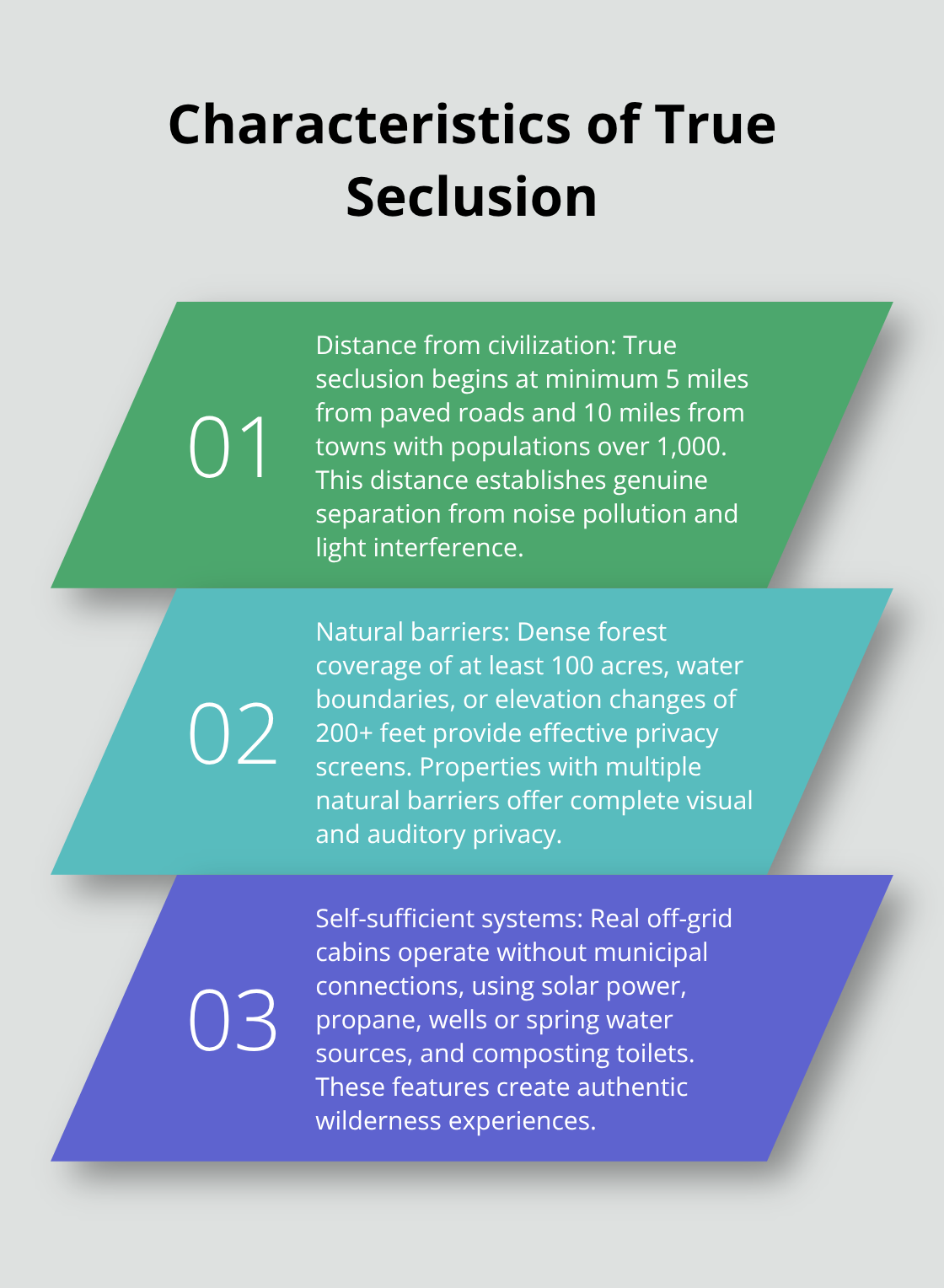
True seclusion begins at minimum 5 miles from paved roads and 10 miles from towns with populations over 1,000. The Off-Grid Cabin in Duluth occupies 40 wooded acres with no neighboring properties visible, while properties in the Boundary Waters demand 30-minute canoe trips to reach. These distances establish genuine separation from noise pollution and light interference that affect closer accommodations.
Natural Barriers That Create Privacy
Dense forest coverage of at least 100 acres around your cabin provides the most effective natural screen. The Shire in the Woods uses the Solana State Forest as a buffer, while Devil Track Lake properties rely on water boundaries that prevent casual foot traffic. Elevation changes of 200+ feet between your cabin and access points add another layer of isolation. Properties with multiple natural barriers like thick woods plus water access charge 40-60% more than standard remote cabins, but they deliver complete visual and auditory privacy that single-barrier locations cannot match.
Self-Sufficient Systems That Define Off-Grid Life
Real off-grid cabins operate without municipal water, sewer, or electrical connections. Solar power systems with 400+ watt capacity handle basic lights and small appliances, while propane manages heat and meals. Wells or spring water sources eliminate dependence on hauled water, though many properties like the Duluth off-grid cabin still require guests to bring water for consumption. Composting toilets and gray water systems handle waste management without septic connections.
These self-sufficient features typically add $150-300 per night to rental costs but create authentic wilderness experiences impossible at grid-connected properties (making them worth the premium for serious nature seekers).
The next step involves careful planning to maximize your time at these remote locations.
How to Plan Your Remote Cabin Experience
Fall months from mid-September through October deliver the best combination of privacy and comfort at Minnesota’s secluded cabins. Bug populations drop dramatically after the first frost, while tourist crowds thin out compared to peak summer months. Winter visits from January through March offer maximum solitude but demand serious cold-weather preparation, with temperatures that can drop significantly at remote properties. Spring visits from April through May provide excellent privacy, though muddy access roads can make some properties unreachable for weeks.
Essential Items for Self-Sufficient Stays
Water tops your packing list for true off-grid properties, with one gallon per person per day as the absolute minimum. Remote cabins often require guests to haul all water for consumption and meals, while properties without wells demand even more. Pack two bundles of firewood per day for heat and meals, though local stores sell firewood for last-minute needs. Headlamps and portable battery packs become essential since most secluded cabins lack reliable electricity (propane-powered devices work better than battery alternatives in cold weather). Waterproof matches prevent meal disasters when wet conditions strike.
Reservation Strategies for Remote Properties
Book secluded cabins 6-8 months ahead for peak seasons, as popular remote properties fill up fast. Various vacation rental companies manage North Shore options, while smaller operators handle single properties that never appear on major sites. Call property managers directly rather than rely on online availability calendars, since many remote cabins use manual systems. Expect significant deposits and strict cancellation policies (remote properties cannot easily fill last-minute cancellations like urban rentals can).
Weather Considerations for Remote Stays
Check weather forecasts two weeks before departure, as sudden storms can trap guests at remote locations for extra days. Properties accessible only by canoe become unreachable during high winds or ice formation. Pack extra food and supplies for potential weather delays, especially at isolated locations. Winter guests should bring backup heat sources and emergency communication devices, as cell service remains spotty at most secluded locations.

Final Thoughts
Secluded cabins in Minnesota deliver experiences that crowded resorts simply cannot match. You get complete silence, pristine night skies, and wildlife encounters that happen naturally when human interference disappears. Popular destinations charge premium prices for manufactured experiences, while remote properties offer authentic wilderness immersion at competitive rates.
The key to maximum wilderness retreat value lies in complete disconnection from digital distractions. Leave devices behind, wake with sunrise, and let natural rhythms guide your days. Remote locations force you to slow down and notice details that urban life obscures (the absence of distractions creates space for genuine relaxation and meaningful connections with travel companions).
Your perfect hidden retreat requires patience and research beyond mainstream sites. Many exceptional properties operate through local management companies that specialize in remote locations. Up North Property Management handles vacation rentals throughout Northern Minnesota and can help you find the ideal secluded cabins Minnesota has to offer.