
Lakes and ponds hold remarkable secrets beneath their calm surfaces. These water bodies contain complex ecosystems that most people never see or understand.
We at Up North Property Management have compiled fascinating fun facts about lakes and ponds that will change how you view these natural wonders. From hidden food webs to ancient formation processes, prepare to explore the mysteries of aquatic life.
Hidden Ecosystems Beneath the Surface
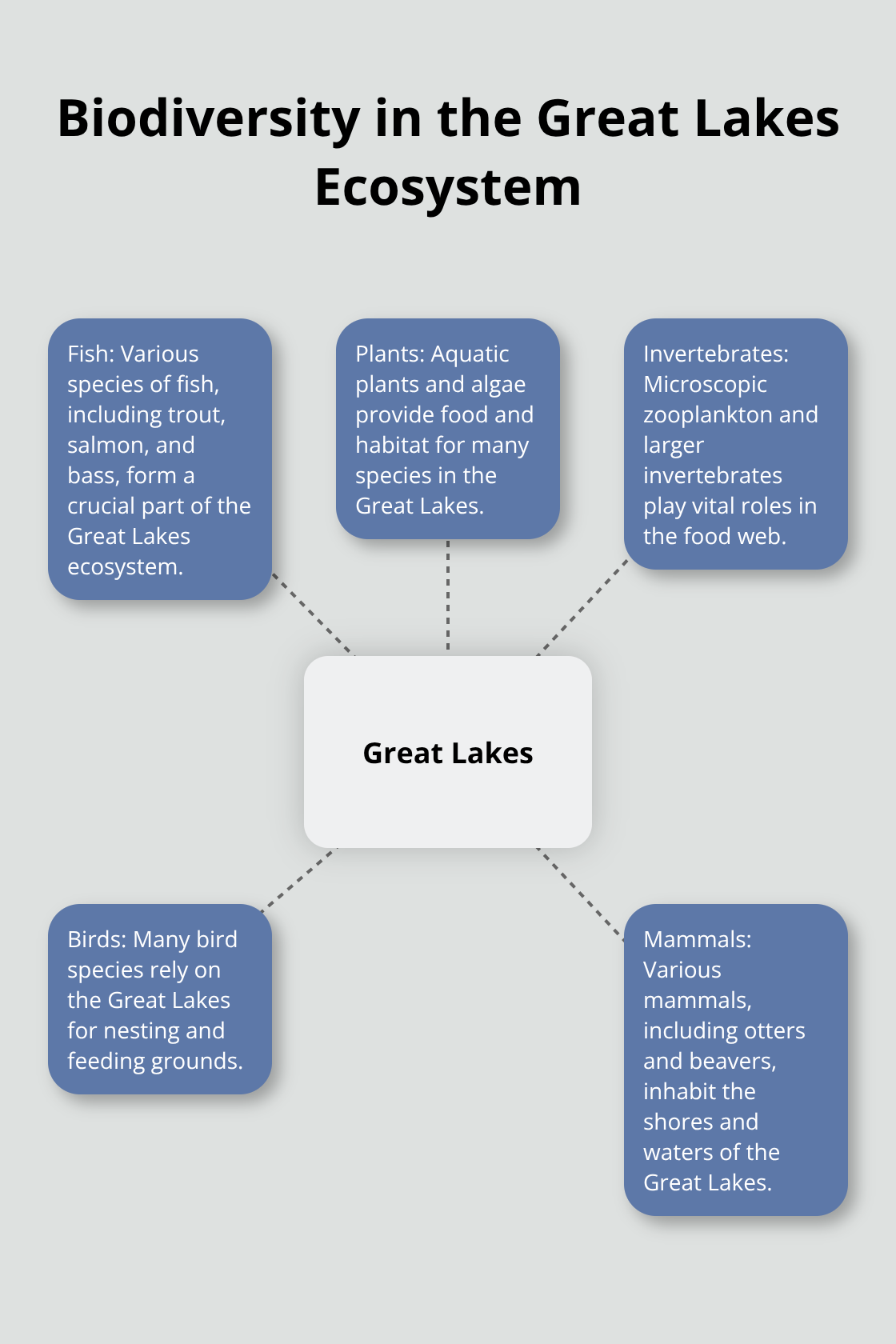
Lake ecosystems operate as intricate biological networks where every organism plays a specific role. Phytoplankton forms the foundation of these food webs and converts sunlight into energy that supports zooplankton populations. These microscopic animals feed larger species like minnows and young fish, which become prey for bass, pike, and other predatory fish. The Great Lakes contain approximately 3,500 species of plants and animals, which demonstrates the incredible biodiversity that exists beneath the surface. Benthic invertebrates like chironomid larvae and mayfly nymphs process organic matter on lake bottoms and recycle nutrients back into the water column.
Microscopic Powerhouses Control Water Quality
Bacteria and algae populations directly control water clarity and oxygen levels in lakes and ponds. Beneficial bacteria break down organic waste and dead plant material, which prevents toxic buildup that kills fish. However, excessive phosphorus from lawn fertilizers triggers harmful blue-green algae blooms that produce toxins dangerous to pets and humans. The EPA reports that nutrient pollution affects over 15,000 water bodies across the United States. Property owners who test phosphorus levels monthly during warm months identify problems before they become serious. Dissolved oxygen levels below 5 parts per million (ppm) indicate ecosystem stress and potential fish kills.
Seasonal Shifts Transform Underwater Communities
Spring turnover mixes oxygen-rich surface water with deeper layers and supports diverse fish populations throughout the lake. Summer stratification creates distinct temperature zones where cold-water species like trout concentrate in deeper areas while warm-water fish like bass remain near the surface. Fall turnover redistributes nutrients again and triggers final algae blooms before winter ice cover. Ice formation reduces oxygen exchange, which makes winter the most challenging season for aquatic life. Fish metabolism slows dramatically in cold water and requires less food but also produces less waste to fuel bacterial decomposition processes.
These complex biological processes that occur beneath the surface connect directly to how lakes form and evolve over thousands of years through natural forces.
Natural Formation and Evolution of Lakes
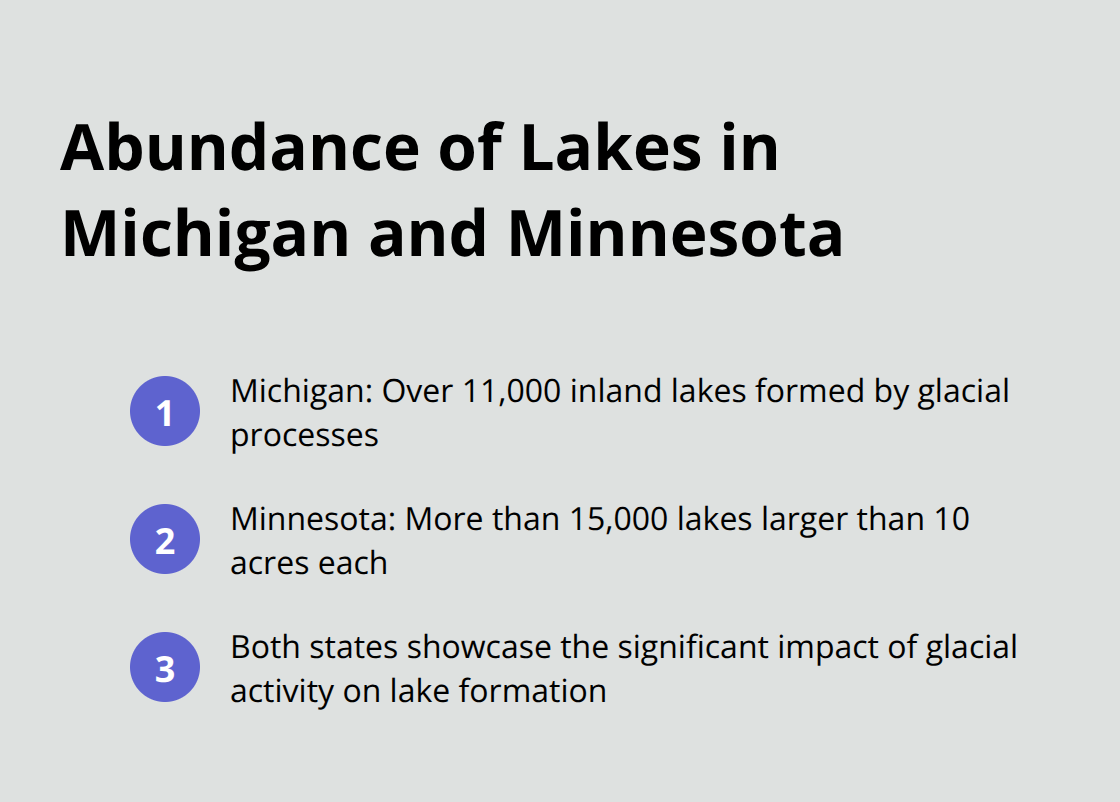
Glacial activity created most lakes in North America through massive ice sheets that carved deep depressions during the last Ice Age approximately 10,000 years ago. The Great Lakes hold about 20% of the world’s fresh surface water according to the U.S. Geological Survey, which demonstrates the enormous scale of glacial lake formation. Glaciers scraped bedrock and deposited sediment that formed natural dams. These processes created thousands of kettle lakes when ice blocks melted. Michigan alone contains over 11,000 inland lakes formed by glacial processes, while Minnesota has more than 15,000 lakes larger than 10 acres each.
Volcanic Forces Create Unique Lake Systems
Volcanic activity produces distinctly different lake types through crater formation and lava flow blockages. Crater Lake in Oregon formed when Mount Mazama collapsed 7,700 years ago and filled with precipitation over centuries. These volcanic lakes typically have extremely pure water with low nutrient levels because they lack stream inflows that carry sediments and organic matter. Volcanic lakes often reach extraordinary depths (Crater Lake extends 1,943 feet deep, which makes it the deepest lake in the United States).
Tectonic Activity Shapes Water Bodies
Tectonic forces create lakes through fault lines and crustal movements that form natural basins. The African Rift Valley contains some of the world’s deepest lakes, including Lake Tanganyika which reaches depths of 4,823 feet. Earthquake activity can suddenly alter lake boundaries and create new water bodies within hours. These geological processes continue to shape lake systems today, though at much slower rates than human activities.
Human Development Accelerates Lake Changes
Agricultural runoff and urban development have fundamentally altered lake chemistry faster than any natural process. The EPA documented that assessed lakes suffer from nutrient pollution that triggers harmful algae blooms and fish kills. Dam construction since 1900 created thousands of artificial reservoirs but also blocked fish migration routes and changed water temperature patterns. Property owners near lakes can reverse damage by switching to phosphorus-free fertilizers and maintaining 30-foot buffer strips of native vegetation along shorelines (this filters runoff before it reaches water).
These formation processes and human influences directly affect the chemical composition and health indicators that determine whether lakes support thriving ecosystems or struggle with pollution problems.
Water Quality Indicators and Environmental Health
Temperature stratification creates distinct water layers that property managers must monitor to maintain healthy lake ecosystems. During summer months, warm surface water sits above cold bottom water, which creates a thermocline barrier that prevents oxygen from mixing. This stratification causes oxygen depletion in deeper zones where fish cannot survive when dissolved oxygen levels drop below 5-6 ppm. Professional lake managers test oxygen levels at multiple depths weekly during July and August when stratification reaches its peak. Thermal pollution from shoreline development raises surface temperatures by 2-4 degrees Fahrenheit, which accelerates harmful algae growth and reduces oxygen capacity. Property owners should maintain natural shoreline vegetation and avoid tree removal that provides shade over water surfaces.
Phosphorus Levels Control Algae Growth
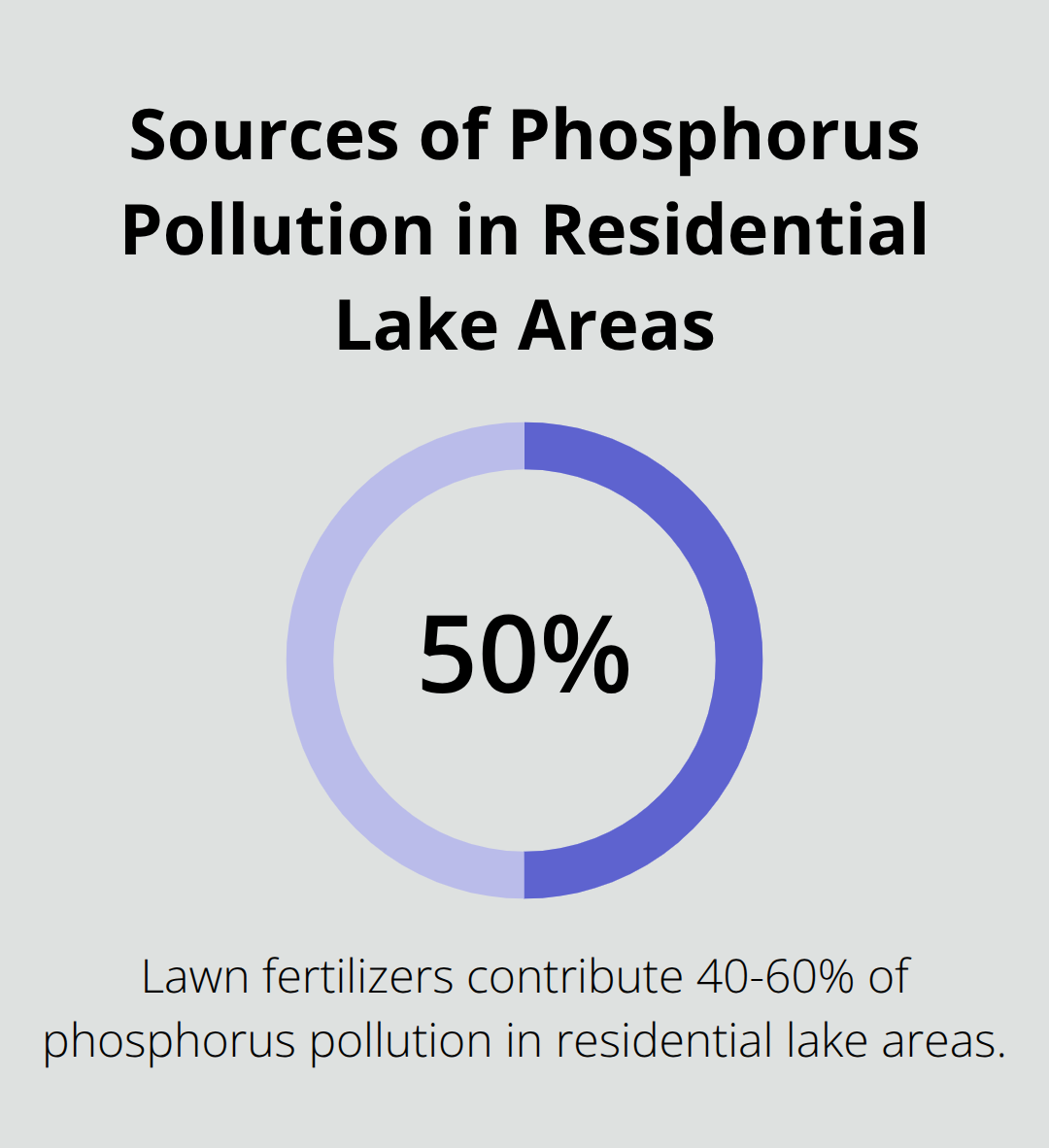
Phosphorus concentrations trigger nuisance algae blooms that kill fish and create toxic conditions for humans and pets. Lawn fertilizers contribute 40-60% of phosphorus pollution in residential lake areas according to University of Minnesota research. Property owners who switch to phosphorus-free fertilizers reduce algae problems within one season.
Blue-green algae produces microcystin toxins that cause liver damage and neurological symptoms in dogs and children who swim in contaminated water. Monthly phosphorus tests from May through September identify problems before they become dangerous. Rain events flush the highest nutrient loads into lakes (testing immediately after storms provides the most accurate pollution assessments).
Seasonal Chemistry Patterns Affect Fish Survival
Spring turnover redistributes accumulated nutrients from winter ice cover and creates optimal conditions for fish spawning when water temperatures reach 50-65 degrees Fahrenheit. Summer pH levels rise above 9.0 in productive lakes, which stresses fish gills and reduces feeding activity during afternoon hours. Fall cooling triggers final nutrient cycling that determines winter survival rates for fish populations. Winter ice cover blocks gas exchange and can cause winterkill when snow depth exceeds 12 inches for more than 60 consecutive days. Lake managers who install aeration systems prevent winterkill by maintaining 6 ppm dissolved oxygen levels throughout the water column during ice season (this prevents fish deaths in shallow lakes).
Chemical Composition Changes Throughout the Year
Water chemistry fluctuates dramatically between seasons as biological activity increases and decreases with temperature changes. Nitrate levels peak during spring runoff when agricultural fertilizers wash into water bodies from surrounding land. Summer heat accelerates bacterial decomposition, which consumes oxygen and releases ammonia that becomes toxic to fish above 0.5 ppm concentrations. Fall leaf drop adds organic matter that bacteria break down through winter months under ice cover. These natural cycles become disrupted when human activities add excess nutrients or alter water flow patterns through development projects.
Human activities that monitor and control these water quality indicators directly determine whether lake properties maintain their recreational value and environmental health.
Final Thoughts
Lakes and ponds function as complex biological systems where microscopic organisms control water quality, seasonal changes reshape underwater communities, and natural formation processes continue for thousands of years. These aquatic ecosystems support over 3,500 species in the Great Lakes alone while they process nutrients through intricate food webs that extend from bacteria to apex predators. Property owners who understand these fun facts about lakes and ponds can make informed decisions that protect water quality and fish populations.
Simple actions like switching to phosphorus-free fertilizers and maintaining natural shoreline vegetation prevent harmful algae blooms that threaten both human health and aquatic life. Monthly water tests during summer months identify problems before they become expensive disasters. These proactive measures maintain the pristine conditions that attract visitors to Northern Minnesota’s lake properties.
We at Up North Property Management recognize that healthy lakes directly impact property values and guest experiences. Our vacation rental management services focus on properties that showcase the natural beauty guests expect from Northern Lakes Area destinations. Property managers, homeowners, and visitors must work together to maintain dissolved oxygen levels, control nutrient pollution, and protect the delicate balance that sustains these remarkable aquatic ecosystems (this collaboration benefits everyone who depends on clean water for recreation and wildlife habitat).