

Converting rental property to vacation home can transform your investment strategy and boost your income potential. The vacation rental market generated $87 billion in revenue in 2023, with average daily rates 40% higher than traditional rentals.
We at Up North Property Management have guided hundreds of property owners through this transition. The process requires careful planning across legal compliance, property upgrades, and marketing strategies to maximize your return on investment.
Legal and Zoning Requirements for Vacation Rental Conversion
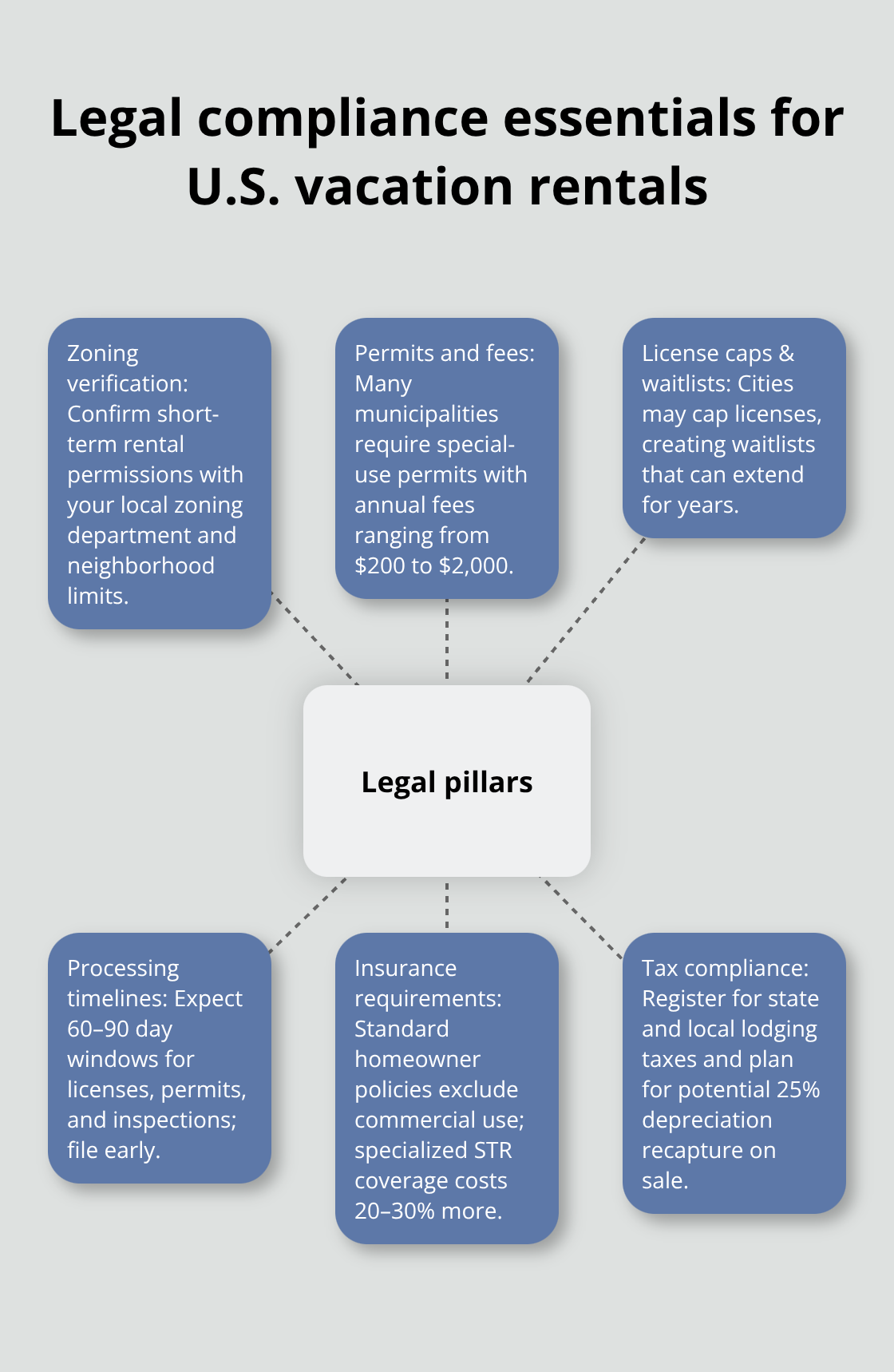
Converting your rental property to a vacation home requires you to navigate complex legal requirements that vary dramatically by location. Start with your local zoning department to verify short-term rental permissions, as many municipalities have implemented regulations affecting the vacation rental industry. Many municipalities require special use permits, with fees that range from $200 to $2,000 annually. Cities like San Francisco cap vacation rental licenses at specific numbers, which creates waitlists that can extend for years.
Research Local Zoning Laws and Permit Requirements
Most jurisdictions require business licenses, occupancy permits, and fire safety inspections before you can legally operate. The average processing time spans 60 to 90 days, so file applications immediately. Some areas mandate noise ordinance compliance, parking requirements, and neighbor notification processes. Check with your city planning department to understand specific restrictions that may limit your operation days or guest capacity.
Obtain Necessary Licenses and Insurance Coverage
Standard homeowner policies exclude commercial activities, which makes specialized vacation rental insurance mandatory. These policies cost 20-30% more than traditional coverage but protect against guest injuries and property damage. Most insurers require you to maintain detailed guest records and property maintenance logs. Contact multiple providers to compare coverage options, as policies vary significantly in their protection scope and claim processes.
Understand Tax Implications and Registration Process
Register for state and local tax collection, as vacation rentals require tax compliance in most states. The IRS treats vacation rental income as business revenue, which requires Schedule E reporting and quarterly estimated payments. States like Florida require vacation rental operators to collect and remit tourist development taxes (adding 6% to your administrative burden but protecting you from penalties that can reach $1,000 per violation). Depreciation recapture upon future sale can trigger 25% tax rates on previously claimed deductions.
Once you complete these legal requirements, you can focus on preparing your property with the right upgrades and amenities that will attract guests and maximize your rental income.
Property Preparation and Upgrades for Vacation Rentals
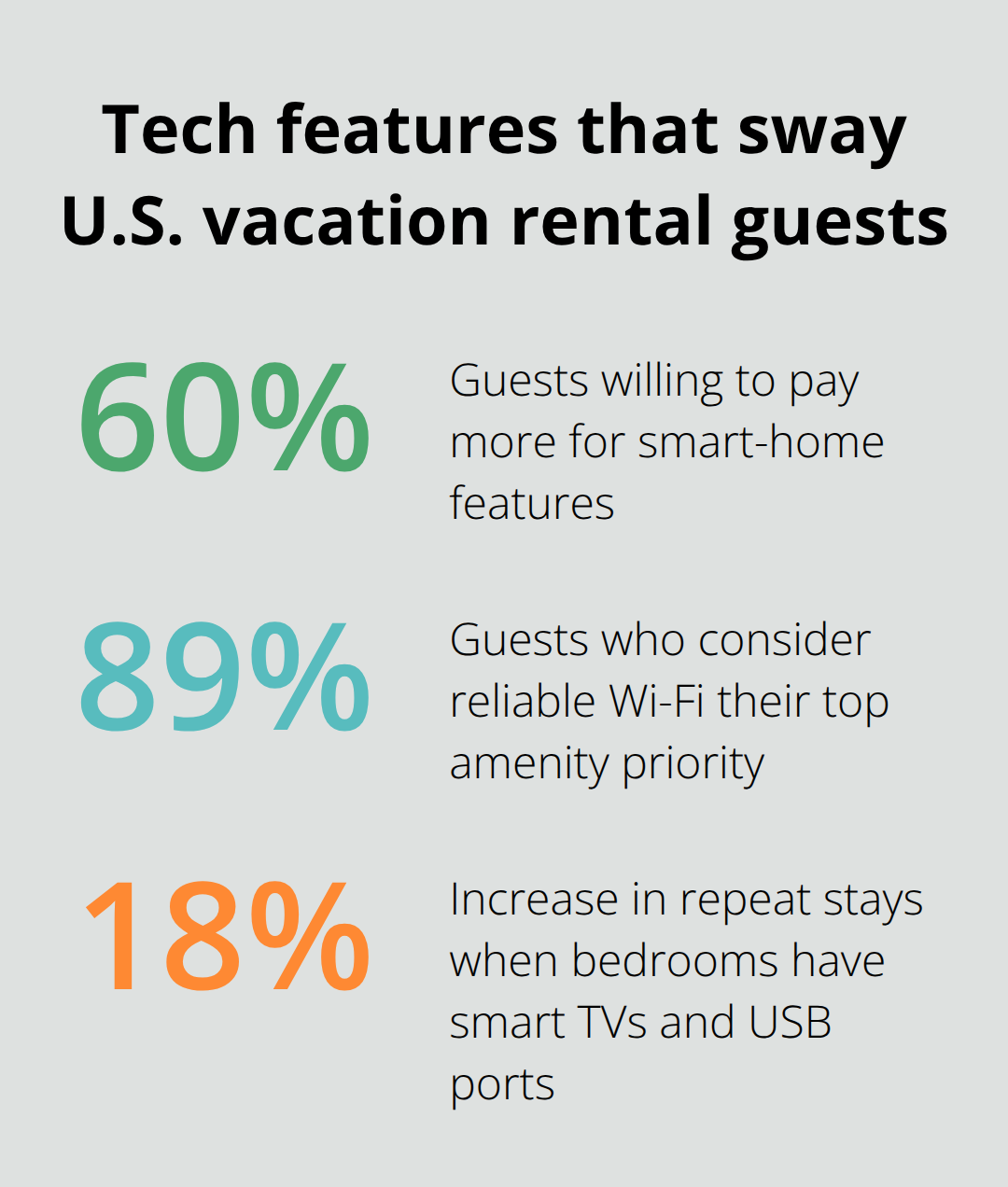
Property preparation determines your vacation rental success more than location or marketing strategy. Smart Lock technology enhances guest experience, with 60% of guests willing to pay more for vacation rentals with smart home features, while professional-grade Wi-Fi systems boost guest satisfaction scores above 4.7 stars.
Essential Safety and Security Improvements
Install keyless entry systems that generate unique codes for each guest. This eliminates key exchange logistics and reduces security risks significantly. Upgrade electrical panels to handle multiple device charges simultaneously, as the average guest brings 4.2 electronic devices per stay.
Replace standard door locks with commercial-grade deadbolts and add security cameras at entry points. These improvements reduce property damage claims by 35% based on VRBO host statistics. Fire safety inspections become mandatory in most jurisdictions, so install smoke detectors in every room and carbon monoxide detectors near gas appliances.
Technology Upgrades for Remote Management
Install programmable thermostats with remote access capabilities to reduce utility costs by 15-20% while you maintain guest comfort. Noise monitors like NoiseAware prevent party violations that can cost $2,000 in fines and property damage.
High-speed internet with adequate download speeds has become non-negotiable, with a good rule of thumb being to multiply your property’s maximum guest capacity by 10 Mbps to determine reasonable minimum speeds. Research shows 89% of guests consider reliable Wi-Fi their top amenity priority. Add smart TVs with access to popular services and USB ports in every bedroom (this increases repeat rates by 18% according to industry surveys).
Furnishing and Amenities That Attract Guests
Purchase commercial-grade furniture designed for high turnover use rather than residential pieces that break within six months. Invest in blackout curtains for all bedrooms, quality mattresses with waterproof protectors, and stain-resistant upholstery throughout common areas.
Stock kitchens with full cookware sets, coffee makers, and basic pantry items. Statistics show 73% of vacation rental guests prepare at least one meal during their stay. Professional cleaning between guests costs $150-250 per turnover but maintains the property condition that supports premium rates.
With your property properly equipped and secured, you can focus on developing effective marketing strategies that will attract guests and maximize your revenue potential.
Marketing and Management Strategy
Professional photography drives booking decisions for 90% of vacation rental guests according to Airbnb data, which makes it your highest-impact investment. Hire photographers who specialize in vacation rentals rather than real estate agents, as vacation rental photography requires different lighting techniques and staging approaches. Professional shoots cost $300-800 but increase booking rates by 40% within the first month. Schedule photography during golden hour periods and stage each room to showcase maximum occupancy potential.
Professional Photography and Listing Optimization
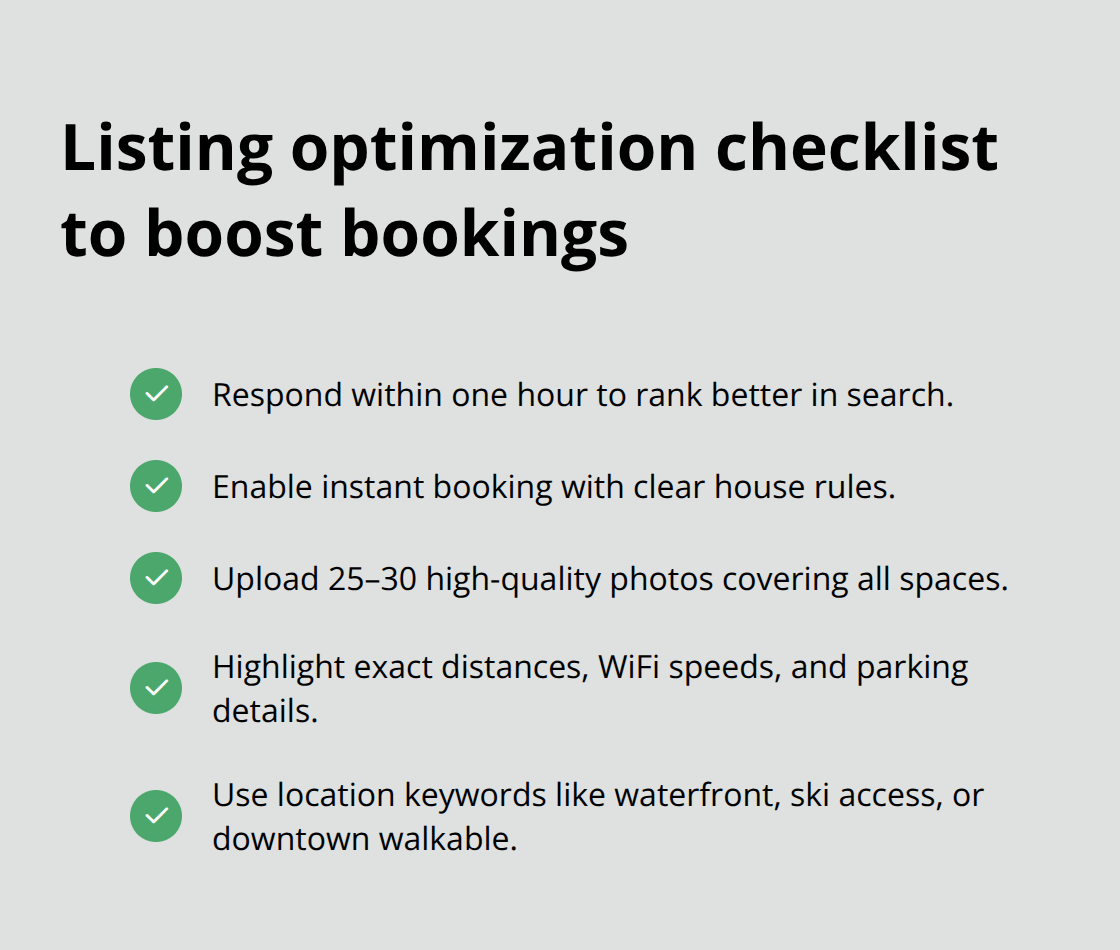
Write property descriptions that focus on specific amenities rather than generic comfort statements. Mention exact distances to popular attractions, WiFi speeds in megabits, and parking details that guests actually search for. Include keywords like waterfront, ski access, or downtown walkable that match your location advantages.
Airbnb’s algorithm favors listings with response times under one hour, so enable instant booking after you establish house rules and screening processes. Upload 25-30 high-quality photos that show every room, outdoor spaces, and neighborhood highlights to outrank competitors who typically post 15-20 images.
Pricing Strategies for Maximum Revenue
Implement revenue management software that adjusts rates based on local demand patterns, competitor pricing, and seasonal trends. Static pricing leaves 25-35% revenue on the table according to vacation rental industry reports.
Set minimum stay requirements of 3-4 nights during peak seasons to reduce turnover costs and attract higher-value guests. Weekend rates should be 40-60% higher than weekday pricing in most markets, with holiday premiums reaching 100-200% above base rates (particularly during summer and winter holidays). Monitor your market penetration rate weekly and adjust pricing when occupancy exceeds 80% or falls below 60% for optimal revenue performance.
Guest Communication and Check-in Processes
Automate guest messaging sequences using platforms like Hostfully or Guesty that send pre-arrival instructions, check-in details, and local recommendations at predetermined intervals. Guests who receive comprehensive pre-arrival information report 23% higher satisfaction scores and generate fewer emergency calls.
Create digital guidebooks with restaurant recommendations, emergency contacts, and house rules accessible via QR codes posted throughout the property. Install keyless entry systems with unique codes that expire after each stay, which eliminates key exchange logistics that cause 40% of check-in delays. Response automation handles 80% of common guest questions about WiFi passwords, checkout procedures, and local attractions (reducing your daily management time significantly).
Final Thoughts
Converting rental property to vacation home demands systematic execution across legal compliance, property upgrades, and marketing implementation. The complete transformation typically takes 4-6 months from initial planning to first guest booking, with upfront investments that range from $15,000 to $40,000 depending on property condition and local requirements. Revenue potential justifies this investment timeline since vacation rentals generate 2-3 times higher income than traditional long-term rentals in most markets.
Properties that achieve 65-75% occupancy rates earn $50,000-$150,000 annually. Peak season rates often exceed $300 per night compared to $1,500 monthly traditional rental income (making the financial case compelling for most property owners). Success depends on professional management that handles the complex operational demands of vacation rental operations.
We at Up North Property Management provide comprehensive vacation rental management services for Northern Minnesota properties. Property owners should begin with zoning research and permit applications immediately, as regulatory approval creates the longest delays. The vacation rental market continues to expand, which makes now an optimal time to capitalize on this income opportunity.