

A vacation home property management agreement protects both property owners and management companies from costly misunderstandings. Without clear terms, disputes over fees, maintenance responsibilities, and service expectations can damage profitable partnerships.
We at Up North Property Management have seen too many owners struggle with poorly written contracts that leave critical details undefined. This guide covers the essential elements every property management agreement needs to succeed.
Essential Components of a Vacation Home Management Agreement
Property Description and Scope of Services
Property descriptions form the foundation of strong management agreements. Specify the exact address, square footage, number of bedrooms and bathrooms, and all amenities like hot tubs, fireplaces, or waterfront access.
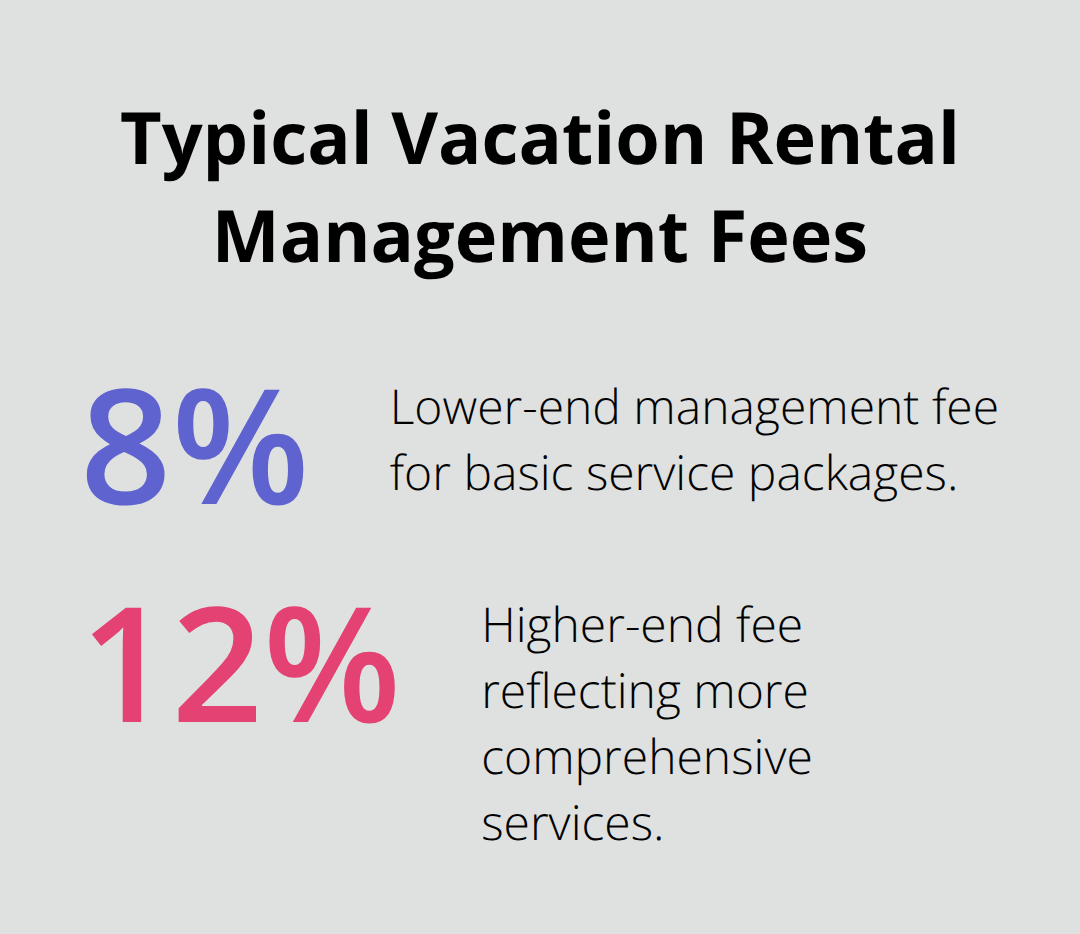
Management companies charge anywhere from 8% to 12% on average for vacation rentals, with higher rates reflecting more comprehensive services.
Include detailed service lists that cover marketing across platforms, guest communication, cleaning coordination, maintenance oversight, and financial reporting. Property managers typically handle extensive bookings in popular vacation markets, making clear service definitions essential for performance expectations.
Financial Structure and Payment Terms
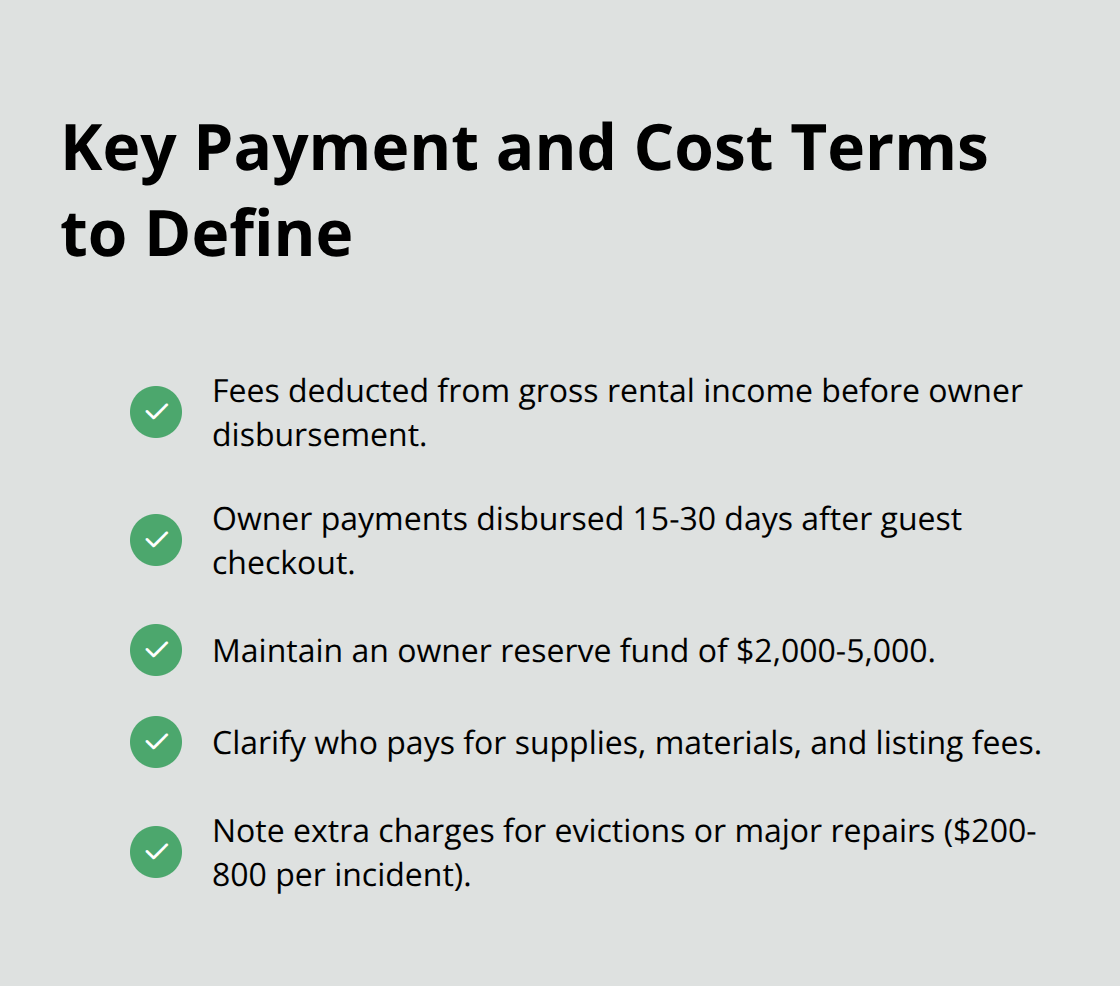
Management fees should specify commission percentages, additional service charges, and payment schedules. Most companies collect fees from gross rental income before they disburse owner payments, typically within 15-30 days after guest checkout.
Include clauses for owner reserve funds that cover emergency repairs, with recommended amounts of $2,000-5,000 depending on property value. Define who pays for cleaning supplies, maintenance materials, and platform listing fees. Some managers charge separate fees for services like eviction processes or major repair coordination (ranging from $200-800 per incident).
Contract Duration and Exit Procedures
Standard management agreements run 12-24 months with automatic renewal clauses, though 30-90 day termination notice periods protect both parties. Include specific termination triggers like consistent underperformance, property damage, or breach of contract terms.
The vacation rental market was estimated at $89.32 billion in 2023, making contract flexibility important as market conditions change rapidly. Specify procedures for transferring bookings, returning marketing materials, and final financial settlements when agreements end.
These foundational elements set the stage for the specific terms and conditions that will govern your day-to-day operations.
Key Terms and Conditions to Include
Maintenance and Repair Responsibilities
Property maintenance clauses must specify who handles what repairs and at what cost thresholds. Smart agreements set dollar limits where owners approve expenses above $500 for non-emergency repairs, while managers handle routine maintenance under this amount.
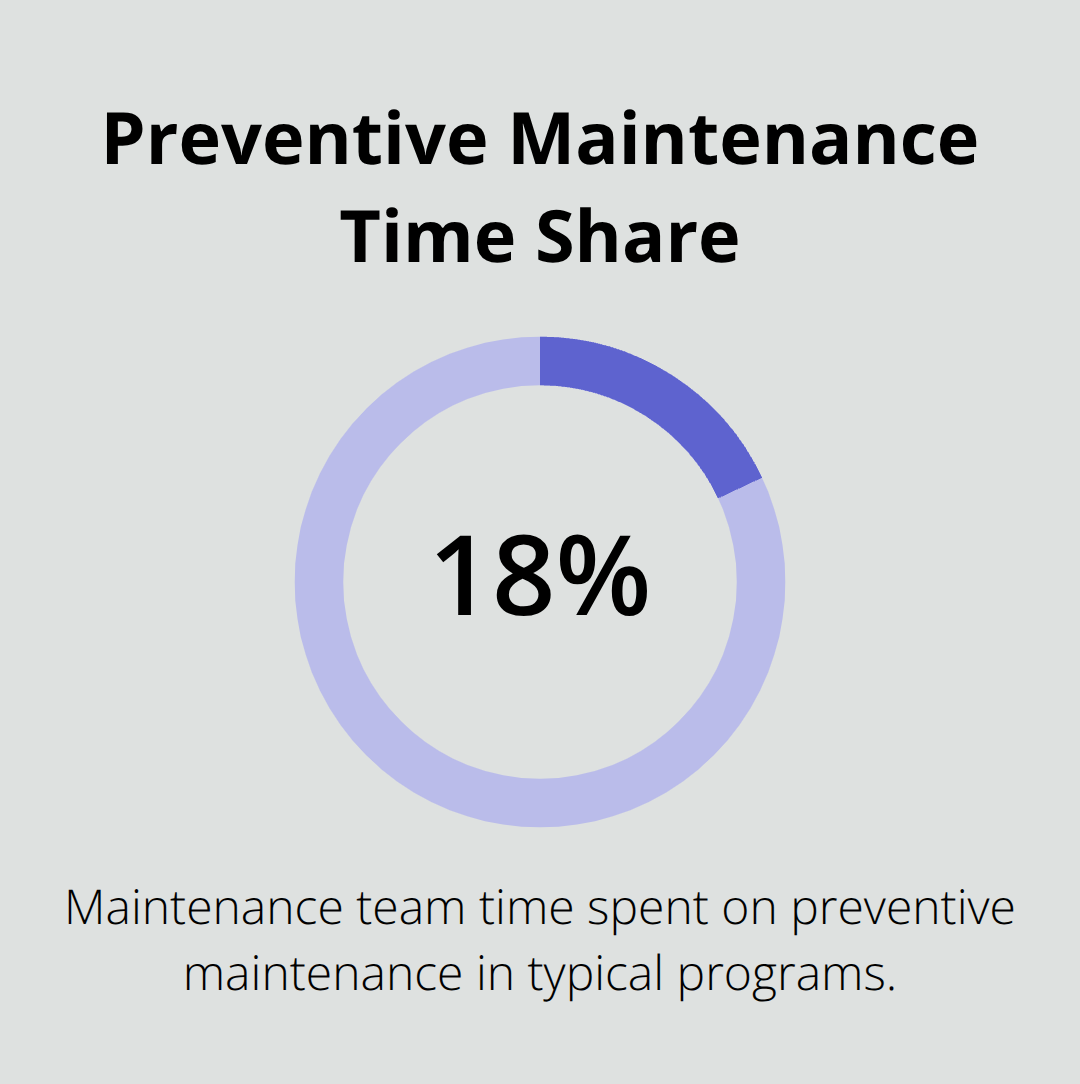
Properties with proactive maintenance programs help reduce emergency repairs, as maintenance teams spend approximately 18% of their time on preventive maintenance.
Include requirements for licensed contractors, warranty provisions on work completed, and mandatory photo documentation before repairs exceed $200. Seasonal maintenance schedules should cover HVAC service, gutter cleaning, and winterization procedures with specific completion deadlines. Clear repair protocols prevent disputes and protect your investment from costly emergency situations.
Marketing and Booking Management
Booking management terms determine your property’s success across rental platforms. Agreements should mandate listings on at least three major platforms including Airbnb, VRBO, and Booking.com, with pricing optimization reviews every 30 days. Properties marketed on multiple platforms can generate higher revenue than single-platform listings, with AirDNA tracking performance data of 10M Airbnb & Vrbo vacation rentals.
Require managers to respond to inquiries within two hours during peak booking seasons and maintain minimum occupancy targets (typically 65-75% annually). Include clauses that prevent managers from favoring their own properties in search rankings and require transparent reporting on booking sources, cancellations, and guest reviews.
Insurance and Liability Coverage
Insurance provisions must address gaps between homeowner policies and commercial coverage. Standard homeowner insurance excludes short-term rental activities, making specialized vacation rental insurance mandatory. Require managers to carry general liability coverage of at least $1 million and verify guest screening procedures that include ID verification and damage deposit collection.
Host protection insurance through platforms like Airbnb covers up to $1 million in property damage, but excludes cash, jewelry, and business equipment. Include clauses requiring immediate incident reporting and specify which party handles insurance claims, with managers typically coordinating repairs while owners maintain policy ownership.
These protective terms work best when paired with clear performance standards and accountability measures that prevent common contract pitfalls.
Common Mistakes to Avoid in Property Management Contracts
Vague Service Descriptions Lead to Expensive Disputes
Service descriptions that use generic language like “comprehensive management” or “full-service support” create expensive conflicts between owners and managers. Contracts must specify exact responsibilities with measurable outcomes rather than broad promises. Cleaning coordination should detail inspection standards, turnaround times between guests, and supply replacement procedures instead of simply stating “cleaning services included.”
Properties with clearly defined service protocols experience fewer owner-manager disputes according to vacation rental industry data. Marketing requirements need minimum photo quality standards, listing refresh schedules, and response time guarantees for guest inquiries. Maintenance thresholds should specify routine tasks under $300, emergency repairs that require immediate action, and major improvements that need owner approval above $1,000.
Inadequate Emergency Procedures Cost Revenue
Emergency procedures represent significant gaps in vacation rental agreements, yet these situations determine guest satisfaction and property protection. Contracts must establish 24-hour emergency contact systems, with managers required to respond within one hour to urgent issues like heating failures, plumbing leaks, or security breaches.
Specific vendor networks for emergency repairs need pre-approved contractors available for immediate dispatch during peak rental seasons. Properties without defined emergency protocols lose booking days per incident while managers scramble to coordinate repairs. Managers should maintain emergency fund access of $3,000-5,000 for immediate repairs (with detailed reporting procedures for all emergency expenses within 24 hours of resolution).
Missing Performance Metrics Create Accountability Gaps
Performance metrics separate professional managers from amateur operations, yet most contracts ignore measurable standards entirely. Minimum occupancy targets of 70-80% annually, average daily rate benchmarks against comparable properties, and guest satisfaction scores above 4.5 stars across all platforms should be standard requirements.
Monthly reports on booking conversion rates, cancellation percentages, and revenue per available night compared to market data help track manager performance. Contracts should specify consequences for underperformance, including fee reductions or termination triggers when properties consistently fall below established benchmarks for three consecutive months. Clear performance standards protect your investment and maximize rental income potential.
Final Thoughts
A well-structured vacation home property management agreement protects your investment and prevents costly disputes. Property owners must include specific property descriptions, detailed service lists, clear financial terms, and measurable performance standards. Contracts should define maintenance thresholds, emergency procedures, and insurance requirements to avoid common pitfalls.
Professional legal review strengthens your agreement’s enforceability and identifies potential gaps in coverage. Attorneys who specialize in vacation rental law can adapt standard contracts to meet local regulations and platform requirements. This legal consultation helps property owners avoid expensive mistakes that amateur contracts often create.
Property owners should compare multiple management companies before they sign contracts. Evaluate their service offerings, fee structures, and performance metrics against your specific needs (including local market knowledge and emergency response capabilities). Up North Property Management provides vacation rental services in Northern Minnesota. Strong contracts create profitable partnerships that maximize your vacation rental income while they protect your property investment.