

Cabin appraisals are one of the most overlooked steps in property ownership. Many cabin owners skip them entirely, thinking they already know what their property is worth.
We at Up North Property Management have seen firsthand how this mistake costs owners thousands of dollars. A professional appraisal reveals what your cabin is actually worth-and more importantly, what problems are hiding inside it.
What Your Appraisal Value Actually Means
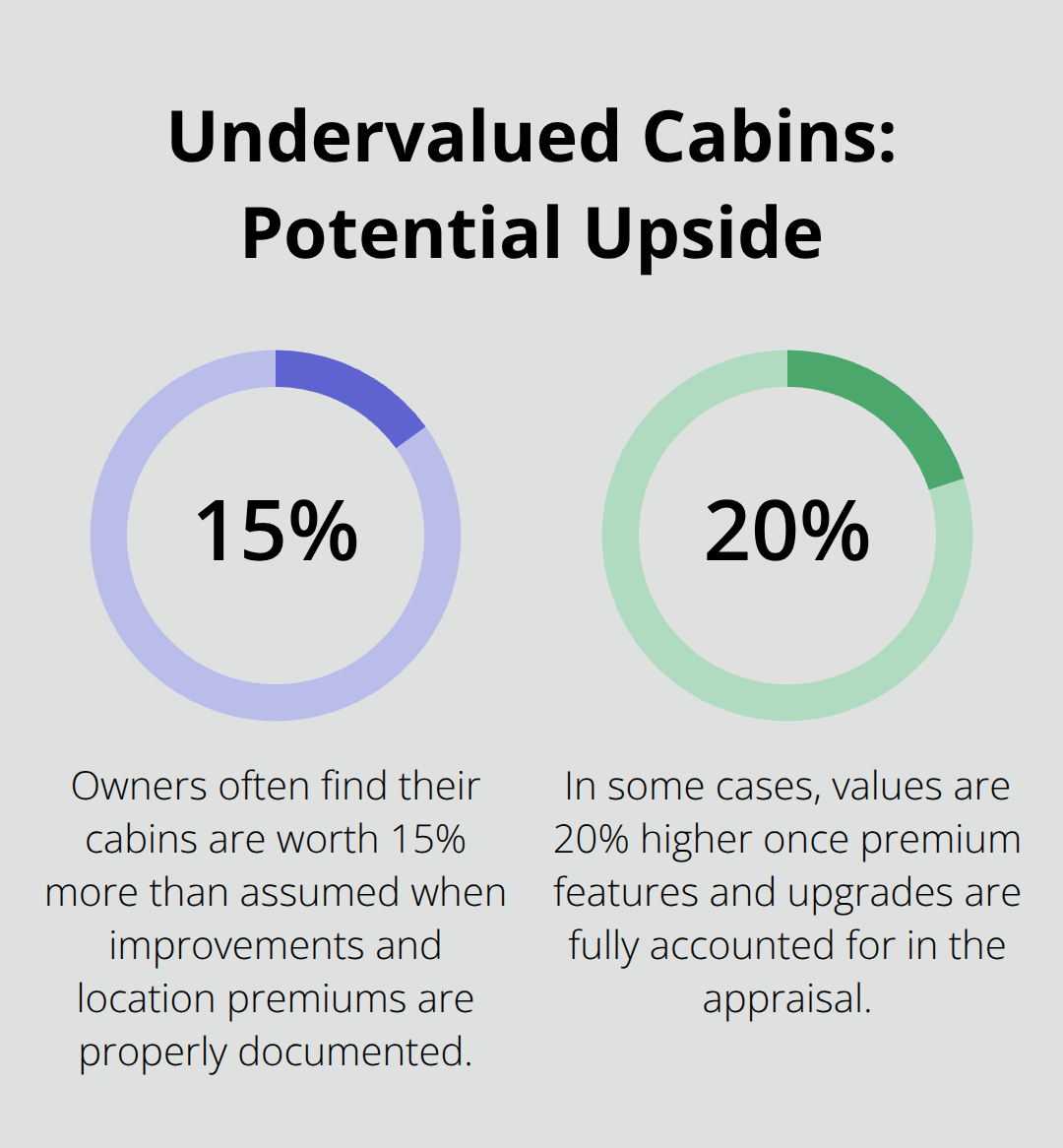
An appraisal report gives you three critical pieces of information that most cabin owners never act on. First, it establishes your property’s market value based on recent sales of comparable cabins in your area, which directly affects your insurance coverage limits. A licensed appraiser will review three to five recently sold properties similar to yours and adjust for differences like newer roofing, updated plumbing, or added square footage. This means your insurance company has a defensible number to work with, not an arbitrary estimate. Second, the appraisal reveals whether you’re sitting on an undervalued asset or if your asking price is detached from reality. Cabin owners sometimes discover their properties are worth 15 to 20 percent more than they assumed, simply because they haven’t documented major improvements or failed to account for premium location features like waterfront access or proximity to recreational amenities.
Third, an appraisal gives you hard data for tax planning and estate decisions. If you’re considering refinancing, selling, or transferring your property to heirs, your county assessor and lenders will want an independent valuation that stands up to scrutiny.
The Real Cost of Getting It Wrong
Skipping an appraisal or relying on online estimates like Zillow’s Zestimate costs money in multiple ways. Overpriced cabins sit on the market longer, and you’ll eventually cut the price anyway, damaging your negotiating position with serious buyers. Underpriced cabins mean you leave tens of thousands of dollars on the table. Your insurance company might deny a claim if your coverage is based on a guess rather than a professional assessment. Tax assessors in Northern Minnesota sometimes overestimate property value, and without an appraisal to challenge that estimate, you’re paying inflated property taxes year after year. A professional appraisal typically costs between 300 and 500 dollars, depending on your region and cabin complexity. That investment pays for itself the moment you avoid selling for 30,000 dollars less than market value or reduce your annual property tax bill by even a few hundred dollars.
Preparing Your Cabin for Maximum Appraisal Value
Appraisers scrutinize mechanicals, structural integrity, and deferred maintenance. Before your appraiser arrives, address obvious hardware issues like squeaky doors, warped deck boards, or loose fixtures that signal neglect. Well and septic systems are high-cost components; ensure they’re accessible and in good working order because an appraiser will flag them if they’re questionable.
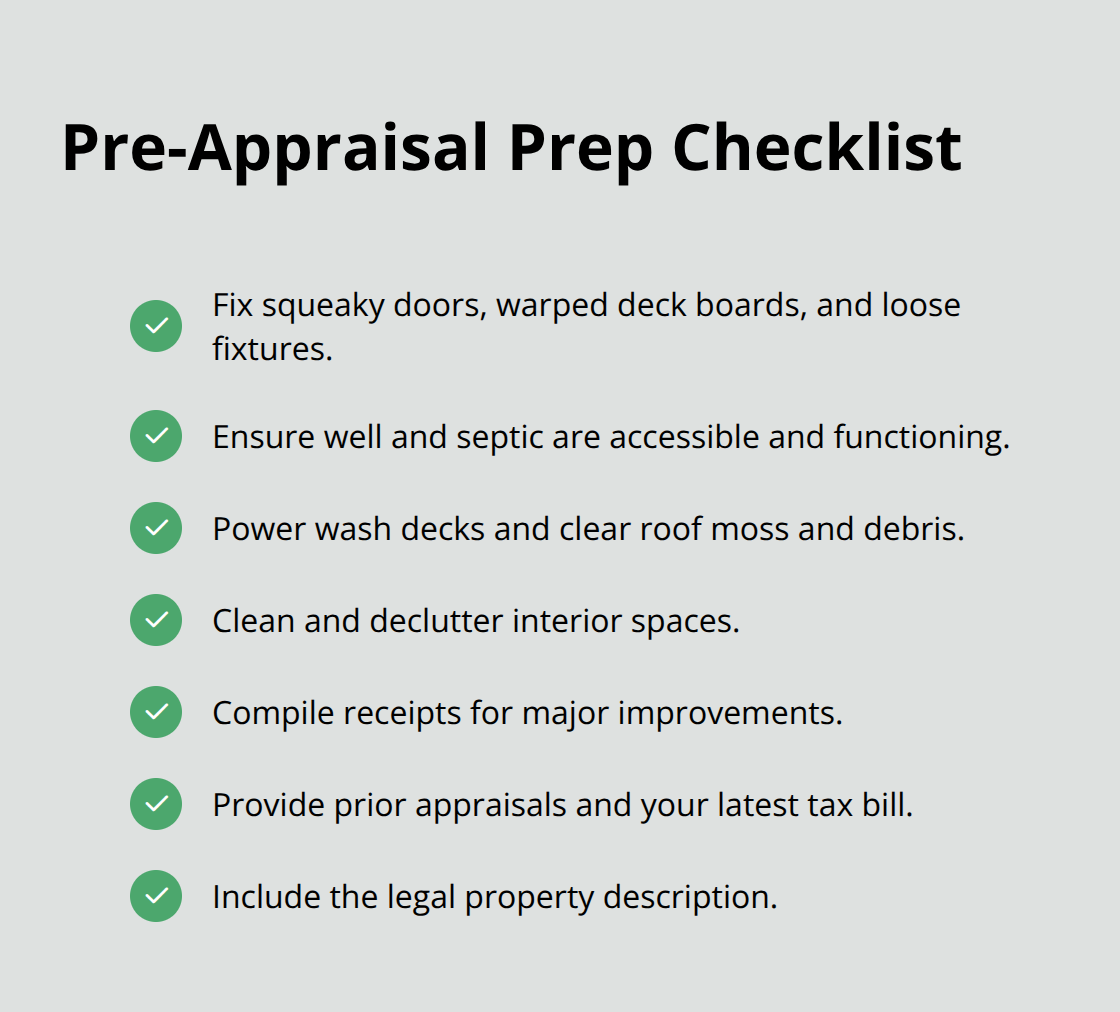
Power wash the deck, remove dead limbs and debris, and clear moss from the roof, especially for waterfront cabins where environmental wear is visible. Clean the interior thoroughly and declutter to prevent signals of poor maintenance. Gather receipts and documentation for major improvements like new windows, updated electrical systems, roof replacements, or heating upgrades. Provide the appraiser with prior appraisals if available, your most recent property tax bill, and a legal description. This preparation doesn’t inflate value artificially, but it ensures the appraiser sees your cabin in its best honest condition and has the documentation to justify a fair market price based on real improvements you’ve made.
What Comes Next in the Appraisal Process
Once you’ve prepared your property and submitted your information packet, the appraiser will schedule an on-site inspection. During this visit, the appraiser examines your cabin’s condition, takes measurements, photographs key features, and verifies the comparable sales data. The appraiser then produces a detailed report that includes the market value estimate, the comparable properties used, and any adjustments made for differences between your cabin and the comps. This report becomes your foundation for insurance decisions, tax appeals, and sales negotiations.
What Happens During Your Cabin Appraisal
The On-Site Inspection
A licensed appraiser arrives at your property and spends one to three hours conducting a thorough inspection. The appraiser measures your cabin’s square footage, photographs structural elements, and documents the condition of mechanicals-furnace, plumbing, electrical systems. The appraiser checks for code compliance and functionality rather than cosmetic appeal. If your well or septic system isn’t accessible, the appraiser flags this as a red flag that reduces your value because future buyers will face uncertainty about replacement costs. The appraiser also documents site features like waterfront access, tree cover, driveway condition, and proximity to roads.
For Northern Minnesota cabins, environmental factors carry significant weight. The appraiser assesses your roof’s condition, checks for evidence of ice damming or moisture intrusion, and examines your foundation for signs of frost heave or settling. This inspection remains objective and thorough because lenders depend on it to validate their mortgage risk. You protect your appraisal value by ensuring mechanicals are accessible, systems function properly, and the property presents honestly without clutter or obvious deferred maintenance.
Comparable Property Analysis
After the on-site visit, the appraiser compares your cabin to three to five recently sold properties in your market area. The appraiser pulls actual sale data from county records and MLS databases rather than estimated values. For each comparable property, the appraiser adjusts the sale price up or down based on differences from your cabin. If a comparable sold for $350,000 but had a newer roof worth $12,000 that your cabin lacks, the appraiser subtracts that cost. If your cabin has an updated septic system and the comparable doesn’t, the appraiser adds the septic system replacement cost (generally between $8,000 and $20,000 for a two-bedroom house). These adjustments accumulate quickly and create a defensible market value.
The Final Report and Its Impact
The final appraisal report lists each comparable, the adjustments made, and the reasoning behind them. Your lender, insurance company, and tax assessor will reference this document. The appraiser’s conclusion represents fair market value based on real market activity, not speculation. A well-documented appraisal report typically runs 15 to 25 pages and provides the clarity you need for insurance coverage decisions, property tax appeals, and sales negotiations. Understanding what the appraiser found during inspection and how comparable properties shaped the final number positions you to make informed decisions about your next move-whether that involves refinancing, selling, or challenging an inflated tax assessment.
What Appraisers Actually Find in Your Cabin
Environmental Damage in Northern Minnesota Cabins
Appraisers uncover problems that owners either don’t see or have ignored for years. Northern Minnesota cabins face specific environmental challenges that directly impact value. Ice damming causes water intrusion into walls and attics, and an appraiser will document this damage even if you’ve patched it cosmetically. Frost heave shifts foundations, creating cracks that suggest structural instability to lenders and future buyers.
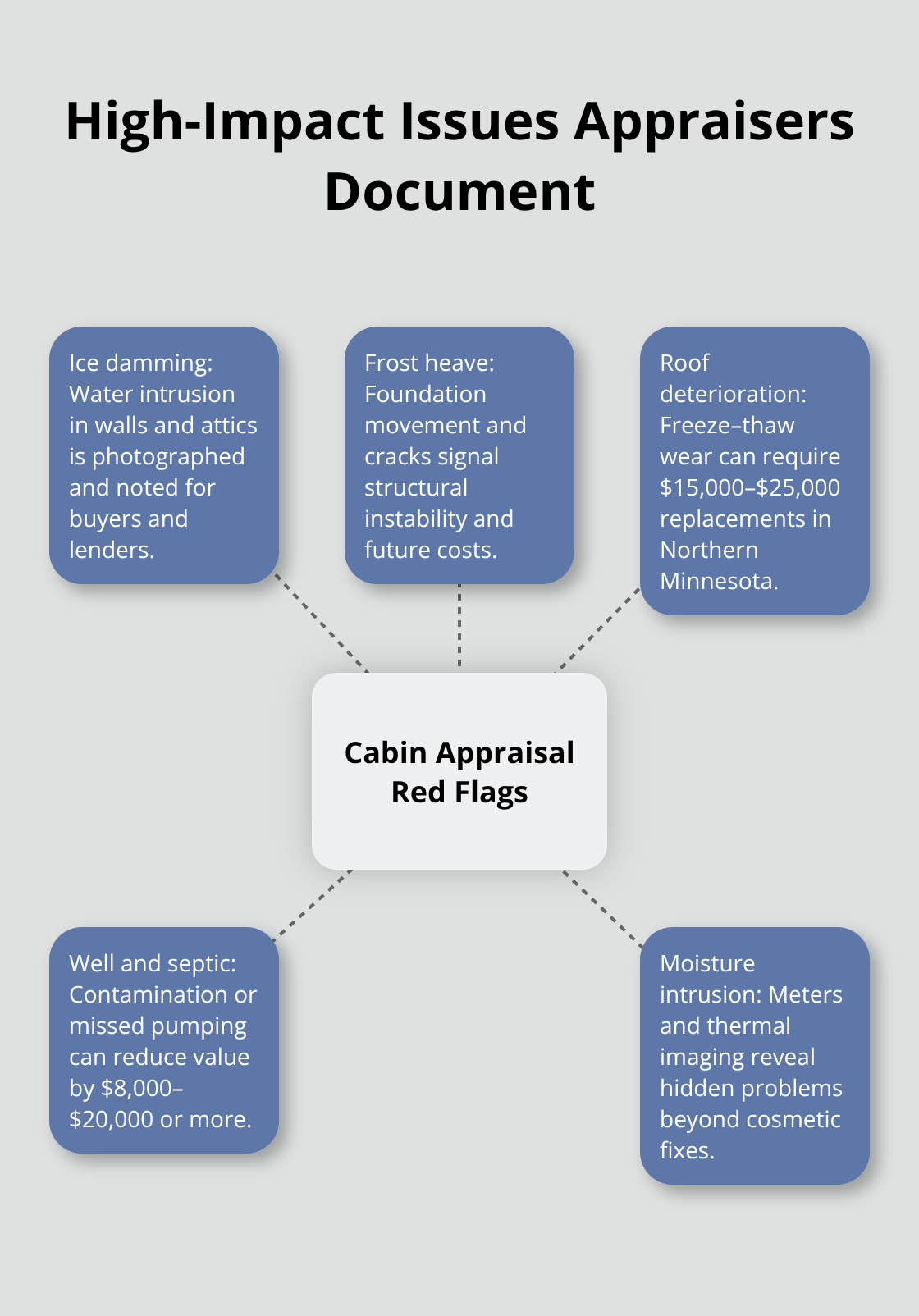
Roof deterioration from freeze-thaw cycles reduces your property’s value by thousands because replacement costs in Northern Minnesota run $15,000 to $25,000 depending on square footage and materials.
Appraisers photograph these issues and note them in their reports, which means you cannot hide them during a sale. Well and septic system problems are equally costly and equally common. If your well water tests show contamination or your septic system hasn’t received pumping in three years, the appraiser flags it as deferred maintenance that reduces value by $8,000 to $20,000 or more.
Mechanical and Code Compliance Issues
Electrical systems in older cabins often lack proper grounding or have outdated panels that don’t meet code, and appraisers verify this during inspection. Plumbing deterioration from hard water or mineral buildup appears as corrosion in visible pipes, signaling future replacement costs. Mechanicals that aren’t accessible create red flags because appraisers cannot assess their condition, and lenders view inaccessibility as a liability.
Moisture and Structural Deterioration
Moisture intrusion ranks as the single most damaging issue appraisers find in Northern Minnesota cabins. Mold in crawlspaces, attics, or wall cavities reduces value because professional mold remediation typically costs between $1,200 and $3,750, and buyers worry about health impacts. Appraisers use moisture meters and thermal imaging to detect moisture problems you cannot see, and they document everything. Deck and porch deterioration matters more than owners realize because these structures are expensive to replace and appraisers factor in replacement costs when adjusting comparable sales.
Wood rot in framing, whether visible or hidden behind siding, signals structural compromise and reduces value substantially. Foundation cracks from settling or frost heave appear minor to owners but indicate serious concerns to appraisers and lenders. Roof leaks that have received multiple patches suggest systemic problems rather than isolated incidents, and appraisers note repair patterns.
Insulation and Ventilation Deficiencies
Insulation deficiency in older cabins means higher heating costs, and appraisers consider this when comparing your property to newer comparables with proper insulation. Missing or inadequate attic ventilation causes premature shingle deterioration and moisture accumulation, both of which reduce appraised value. These issues compound over time-a cabin with poor ventilation and inadequate insulation will show accelerated wear that appraisers immediately recognize and penalize in their valuations.
Professional appraisals expose the true cost of deferred maintenance, and that cost directly reduces your property’s market value. Addressing these issues before an appraisal improves your value, but ignoring them guarantees a lower appraisal and a harder sale.
Final Thoughts
A professional cabin appraisal reveals your property’s true market value and exposes hidden problems before they become expensive surprises during a sale or refinance. The appraisal protects you from overpricing your cabin and losing months on the market, or underpricing it and leaving money on the table. Ice damming, foundation settling, moisture intrusion, and mechanical failures don’t disappear on their own-addressing them before they worsen keeps your property competitive and preserves your investment.
Your next step depends on your situation. If you’re selling, order a cabin appraisal now to set a competitive asking price backed by real market data. If you’re refinancing, your lender will require one anyway, so prepare your property and gather documentation to move the process forward. If you’re holding your cabin as a long-term investment, schedule an appraisal every three to five years to track value changes and identify maintenance priorities.
Managing your cabin’s condition and value takes time and expertise. We at Up North Property Management handle full-service management of vacation rental properties in Northern Minnesota, including maintenance oversight that keeps your cabin in top condition and generates income. Whether you manage your cabin yourself or partner with professionals, regular appraisals remain your best tool for understanding what your property is truly worth and what it needs to stay that way.