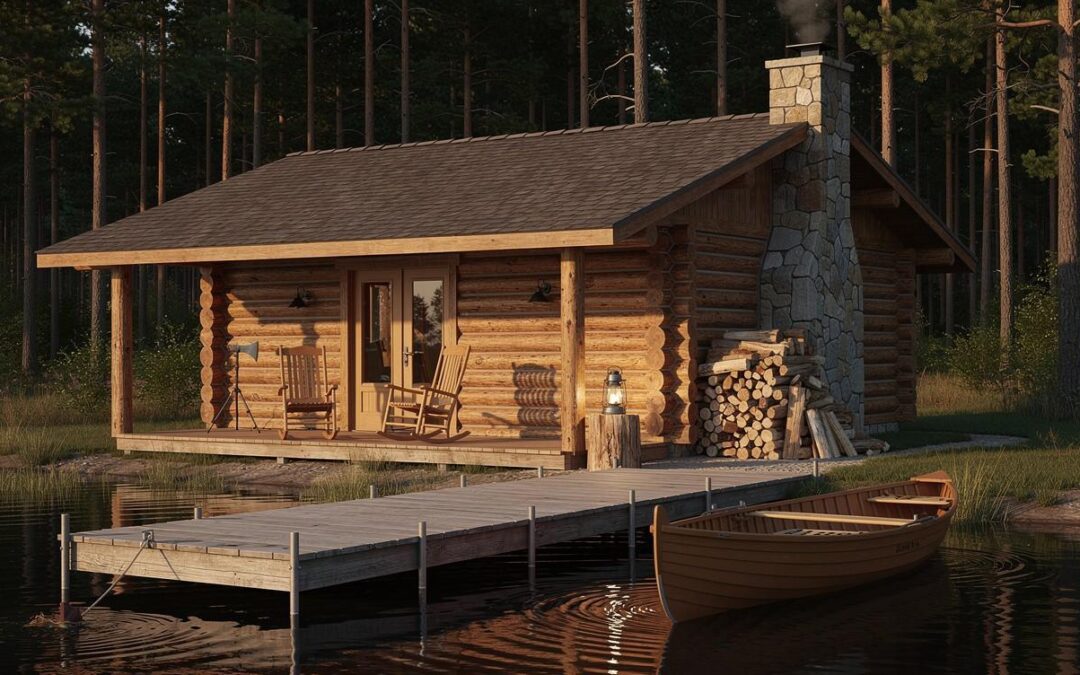
Owning a cabin in Northern Minnesota comes with unique challenges that most homeowners never face. From brutal winters to seasonal maintenance demands, the Northwoods require a different approach to property care.
We at Up North Property Management have helped countless cabin owners navigate these realities. This guide covers what you actually need to know to protect your investment and maximize its potential.
What Your Northern Minnesota Cabin Actually Needs to Survive Winter
Northern Minnesota winters demand serious infrastructure decisions, and most cabin owners get this wrong. You cannot simply close a cabin in October and hope everything survives until May. The U.S. Department of Energy reports that frozen pipes cause an estimated $27,000 in average damage, and that’s just one failure point. Burst pipes, structural damage from ice dams, and heating system failures cost tens of thousands to repair when owners skip winterization. Your cabin’s survival depends on three interconnected systems working correctly from September through April.
Heat Matters More Than You Think
Your heating system forms the foundation of winter survival, not a luxury. If you plan to visit your cabin during winter, maintain interior temperatures at a minimum of 50 degrees Fahrenheit at all times. This threshold prevents pipe freezing while reducing energy costs compared to heating to comfortable living temperatures. If the cabin sits vacant all winter, you still need to inspect and prepare your heating system-just in case a cold snap demands you access the property.
Have a professional inspect your heating system before fall to confirm it’s clean, properly calibrated, and ready for extended use. Your primary heating system needs backup power options and redundancy. Wood stoves or propane heaters provide critical alternatives when electricity fails, which happens regularly in rural areas during heavy snow events.
Stock adequate fuel supplies by early November-waiting until December means competing with other property owners for limited inventory and paying premium prices. Most cabin owners underestimate heating costs and overestimate their equipment’s reliability.
Water Systems Require Aggressive Winterization
Frozen pipes represent the most expensive winterization failure. If your cabin remains unheated for winter, drain all water to the lowest point in your plumbing system and use an air compressor to blow out remaining water from the lines. Interior pipes need access to heat; open cabinet doors beneath sinks to allow warm air circulation, or position portable heaters near vulnerable pipes.
Exterior pipes must wear insulation sleeves rated for temperatures below minus 20 degrees-standard foam insulation fails in extreme cold. If you plan winter visits, drain pipes each time you leave rather than relying on continuous heat protection. This approach prevents ice formation and reduces the risk of catastrophic failure during temperature fluctuations.
Check your septic system before winter; if it serves your cabin, confirm it’s functioning properly and locate the access point in case service becomes necessary. If your cabin uses a well, verify the pump can operate in freezing conditions and that the line sits buried below the frost line, typically 4 to 5 feet deep in Northern Minnesota.
Power and Emergency Backup Systems
Rural Northern Minnesota experiences frequent power outages during winter storms. A backup generator should run on propane or natural gas, not gasoline, since fuel degrades in cold storage and engines struggle to start in sub-zero temperatures.
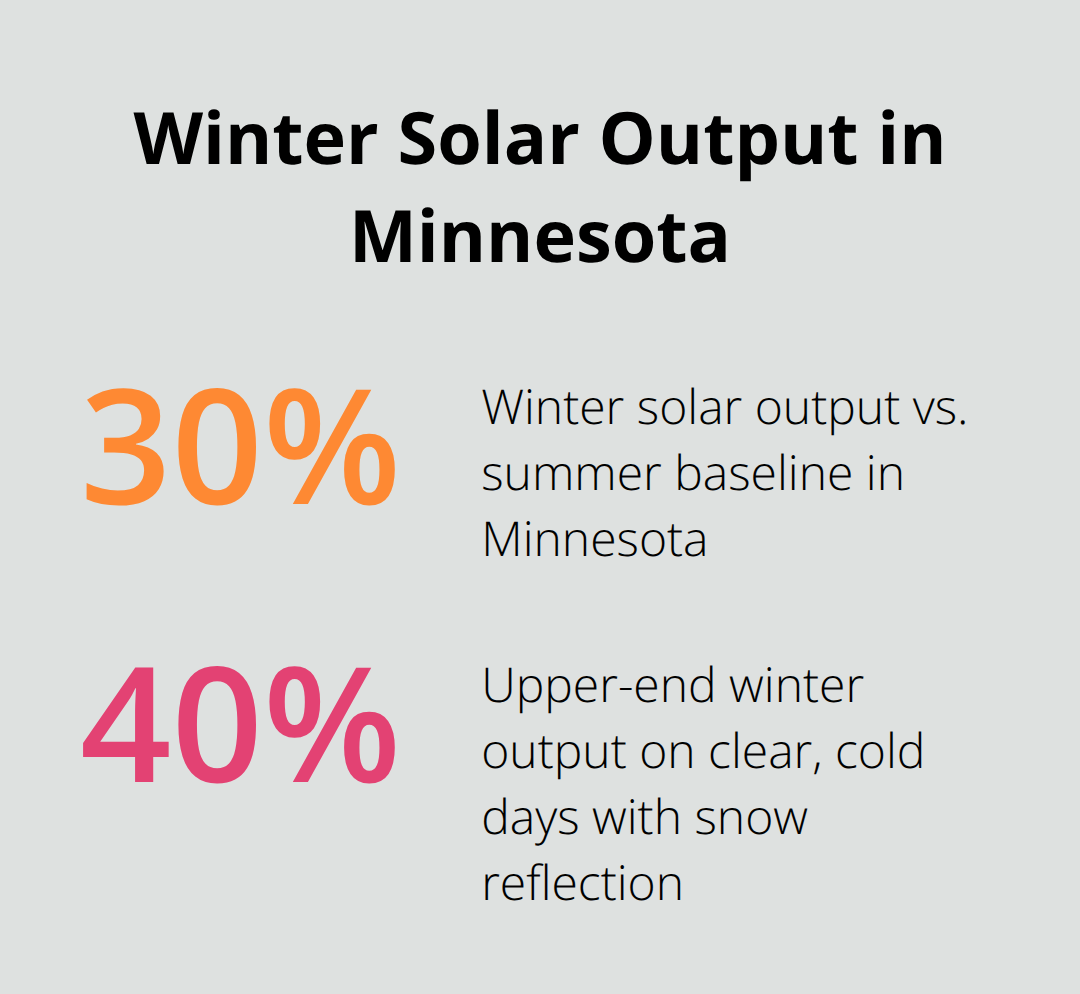
Size your generator to power essential systems: heating, water pump, refrigeration, and critical outlets. A 7,000 to 10,000 watt generator handles most cabin needs. Test your generator monthly during fall and maintain fuel supplies year-round. Solar power systems work in Minnesota winters despite shorter days-the Minnesota Department of Commerce confirms that residential solar installations produce 30 to 40 percent of summer output during winter months, sufficient for supplemental power when combined with battery storage.
If you invest in solar, pair it with a battery backup system rated for 48-volt operation and minimum 10 kilowatt-hour capacity to bridge multi-day cloudy periods. Keep a weather radio with battery backup and a charger powered by alternative sources. Stock propane, firewood, and generator fuel by November 1st. Don’t wait until after the first significant storm-supply chains tighten dramatically and prices spike. Your emergency supplies should also include blankets, canned food, bottled water, and a basic first aid kit stored in an accessible location separate from your primary living area.
These three systems work together to protect your cabin through the harshest months. Once you’ve secured your property against winter’s demands, the next challenge emerges: maintaining your cabin through the seasonal transitions that test your infrastructure year-round.
Seasonal Maintenance Keeps Your Cabin Standing
Spring Inspections Reveal Winter’s Hidden Damage
Spring arrives with damage that winter hid under snow and ice. Walk your entire property in March or early April before trees fully leaf out, because you need clear sightlines to spot problems. Check roof integrity by looking for missing shingles, ice dam damage, or debris accumulation in valleys where water pools. The National Association of Home Inspectors recommends inspecting gutters and downspouts immediately after snowmelt to confirm water flows away from your foundation rather than pooling against the structure.
Inspect your foundation perimeter for cracks wider than one-quarter inch, which allow water infiltration and structural deterioration. Test all windows and doors for air leaks by holding a lit candle near frames; if the flame flickers, caulking has failed and needs replacement. Check exterior caulking around utility penetrations where pipes, wires, and vents enter the cabin, as freeze-thaw cycles crack sealant during winter.
Interior water damage often appears as discoloration on ceilings or walls, signaling roof leaks or condensation problems that demand immediate attention. Address any issues before June when warm weather accelerates mold growth in damp spaces. Plumbing systems need testing after winterization; open each faucet slowly to allow air trapped in lines to escape, then verify water runs clear without sediment. A licensed plumber should pressure-test the lines to confirm no leaks developed during the freeze cycle.
Summer Pest Control Protects Your Interior
Summer brings pest pressure that most cabin owners underestimate. Mosquitoes in Northern Minnesota breed in standing water, so eliminate sources by clearing gutters, checking downspout drainage, and removing any containers holding water. Apply EPA-registered insecticide to the exterior perimeter in late May before mosquito populations peak, focusing on foundation skirting and areas where pests shelter.
Interior pest control matters equally; seal gaps around baseboards and utility penetrations with caulk rated for interior use. Stock your cabin with mouse traps and place them along walls where rodents travel, especially in the kitchen and near food storage areas. These preventive measures stop infestations before they cause damage to insulation, wiring, and stored materials.
Fall Preparation Secures Winter Readiness
Fall preparation determines whether your cabin survives the next winter successfully. Inspect your roof one final time in September to confirm spring repairs held and no new damage appeared during summer storms. Trim tree branches hanging over your roof to prevent ice dam formation and reduce debris accumulation.
Have your heating system professionally serviced in September, not October, because contractors book up quickly as temperatures drop. Seal any new gaps around windows and doors with weatherstripping or caulk before cold weather arrives. Drain and store garden hoses, shut off exterior water valves, and insulate exposed pipes with foam sleeves rated for sub-zero temperatures.
Stock propane, firewood, and generator fuel by November 1st. These seasonal tasks prevent expensive emergency repairs and keep your investment protected year-round. With your property secured through seasonal transitions, the next challenge emerges: converting your cabin into a revenue-generating asset that works for you even when you’re not there.
Turn Your Cabin Into Consistent Income
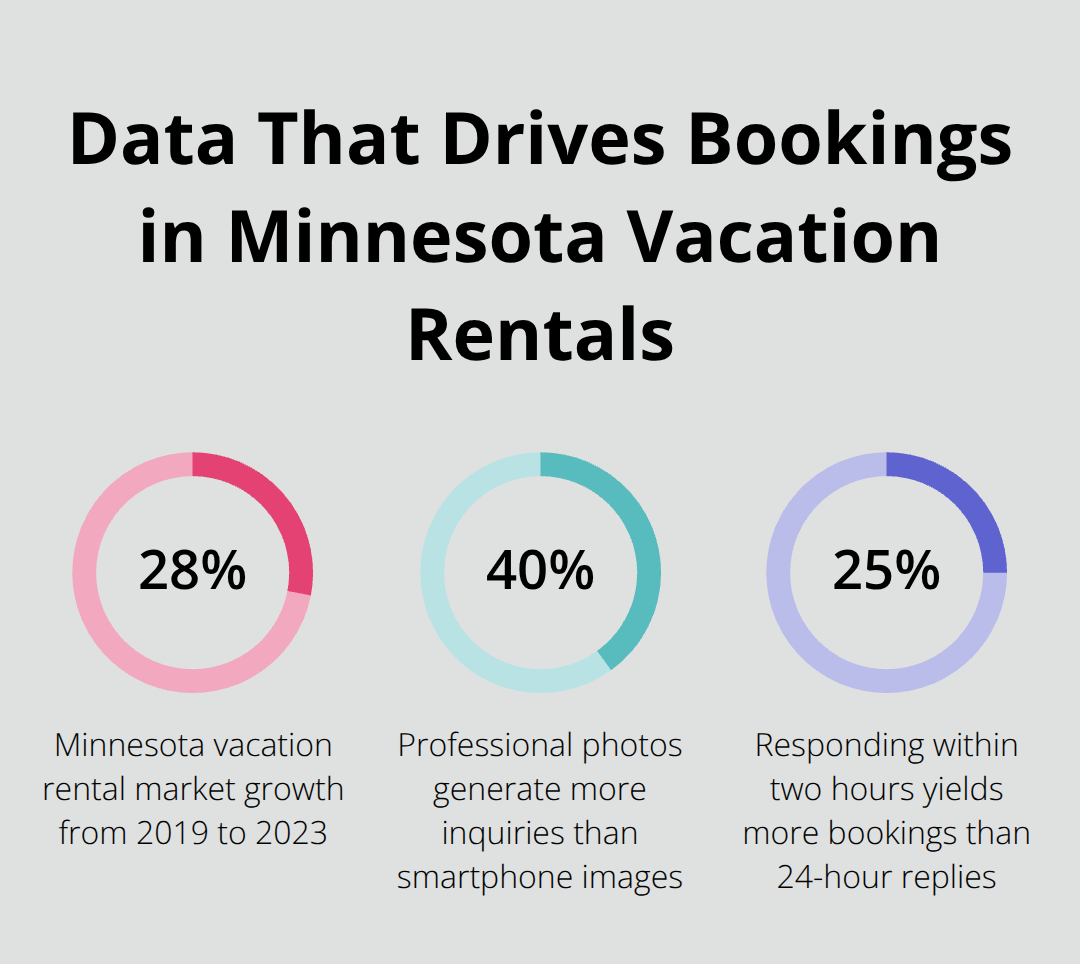
Converting a Northern Minnesota cabin into a vacation rental transforms it from a seasonal retreat into a revenue-generating asset that works year-round. The vacation rental market in Minnesota grew 28 percent between 2019 and 2023 according to Airbnb data, with properties in lake regions commanding premium rates. However, success requires more than listing your cabin online and hoping guests arrive.
Price Your Cabin to Win Bookings
Pricing strategy determines whether you capture peak-season demand or watch competitors fill their calendars while yours sits empty. Properties priced 15 to 20 percent above comparable local rentals lose bookings consistently, while underpricing leaves thousands on the table. Analyze your local market by examining similar properties within a five-mile radius, noting their nightly rates, occupancy patterns, and amenities.
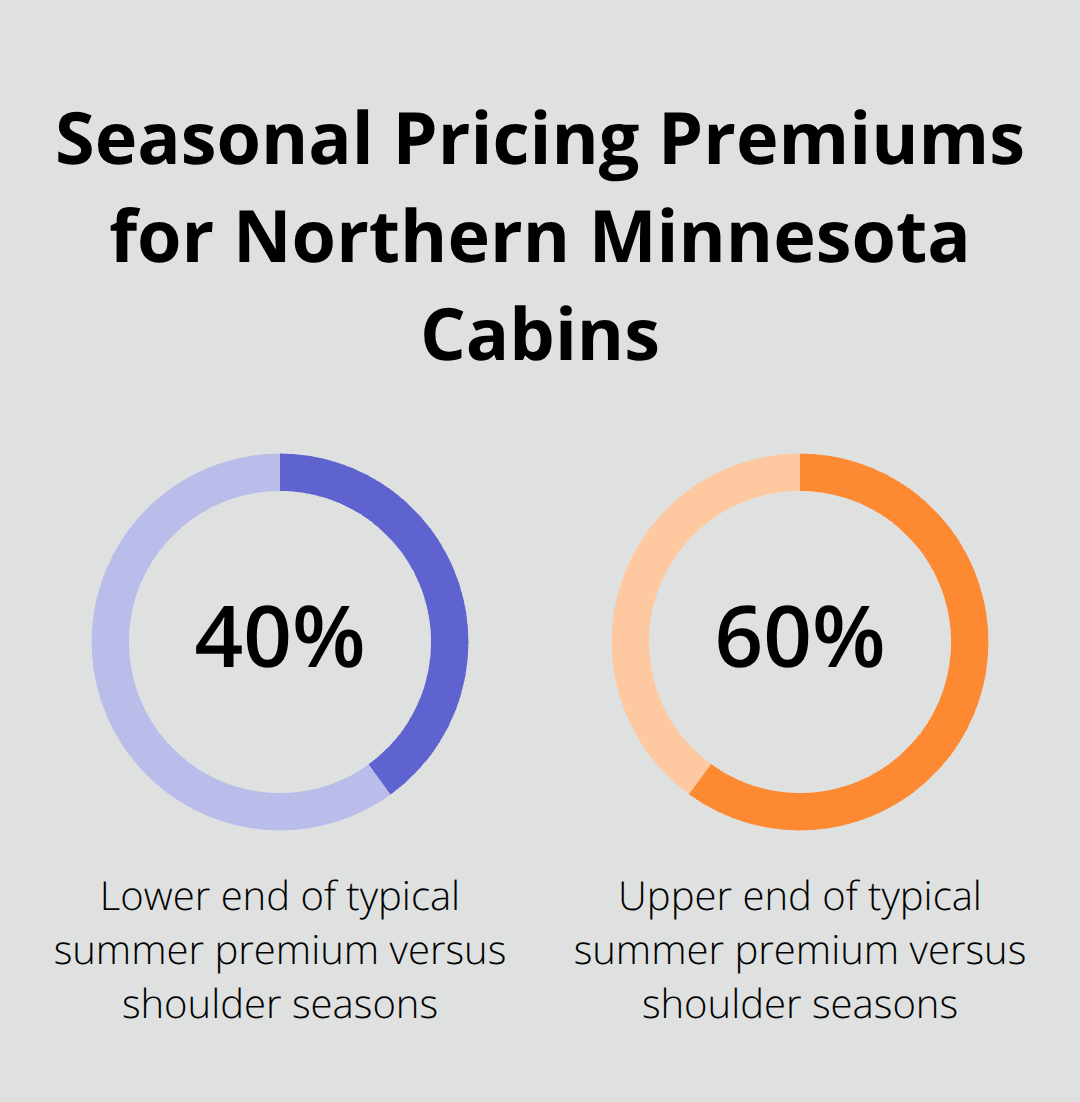
Adjust your pricing seasonally; Northern Minnesota cabins command 40 to 60 percent premium rates during summer months compared to shoulder seasons, and winter rates drop further unless your cabin offers unique features like a hot tub or proximity to cross-country skiing trails. This approach maximizes revenue across all seasons rather than relying on a single rate year-round.
Market Across Multiple Platforms
Marketing extends far beyond a single platform. Properties listed on Airbnb, VRBO, and Booking.com reach different guest demographics and booking patterns. A cabin appearing on all three platforms captures three times the visibility compared to exclusive listings.
Professional photography matters intensely; professional photos generate 40 percent more inquiries than smartphone pictures. Invest 300 to 500 dollars in a professional photographer who understands how to showcase lake views, outdoor spaces, and interior amenities in natural lighting.
Create Experiences That Drive Reviews
Guest experience determines whether visitors return and leave positive reviews that drive future bookings. Stock your cabin with quality linens, well-maintained kitchen equipment, and supplies guests expect: toilet paper, paper towels, dish soap, and basic toiletries. Include a welcome packet with WiFi passwords, emergency contact information, local restaurant recommendations, and activity suggestions specific to the season.
Guests who arrive to a cabin that feels prepared and thoughtful rate properties higher and book again. Maintenance between guests cannot be delayed or rushed; turnover cleaning should take four to six hours minimum, including deep cleaning of bathrooms, kitchen sanitization, and laundry. A single negative review mentioning dirty conditions or maintenance issues suppresses your booking rate for months.
Manage Operations or Outsource Them
Property management requires constant attention to detail that most cabin owners underestimate. Guest communication demands rapid responses; properties that answer inquiries within two hours receive 25 percent more bookings than those responding within 24 hours, according to Airbnb data. Handling maintenance emergencies, coordinating cleaners, managing guest conflicts, and processing payments consumes 10 to 15 hours weekly for active rental properties.
Professional property management companies handle these demands, allowing owners to collect income without the operational burden. Up North Property Management offers full-service vacation rental management across Northern Minnesota, handling marketing, bookings, cleaning, and maintenance while ensuring properties maintain top condition. Owners gain predictable income and peace of mind knowing their investment receives professional attention year-round.
Final Thoughts
Northern Minnesota cabin life demands serious infrastructure, consistent maintenance, and strategic management decisions. Winter survival depends on three interconnected systems: reliable heating, aggressive water winterization, and backup power. Spring inspections catch hidden damage before it spreads, summer pest control prevents costly infestations, and fall preparation determines whether your cabin survives the next winter intact.
Converting your cabin into a vacation rental transforms it from a seasonal expense into consistent income. Pricing strategy, multi-platform marketing, and guest experience determine whether your property generates revenue or sits empty. Professional photography, rapid communication, and meticulous maintenance between guests drive bookings and positive reviews that compound over time.
The operational reality of managing a vacation rental property often surprises owners-guest communication, maintenance coordination, cleaning schedules, and booking management consume far more time than most people anticipate. Up North Property Management handles this operational burden, managing marketing across multiple platforms, coordinating bookings, arranging professional cleaning between guests, and responding to maintenance emergencies so your cabin receives the consistent attention required to maintain top condition and generate predictable income.