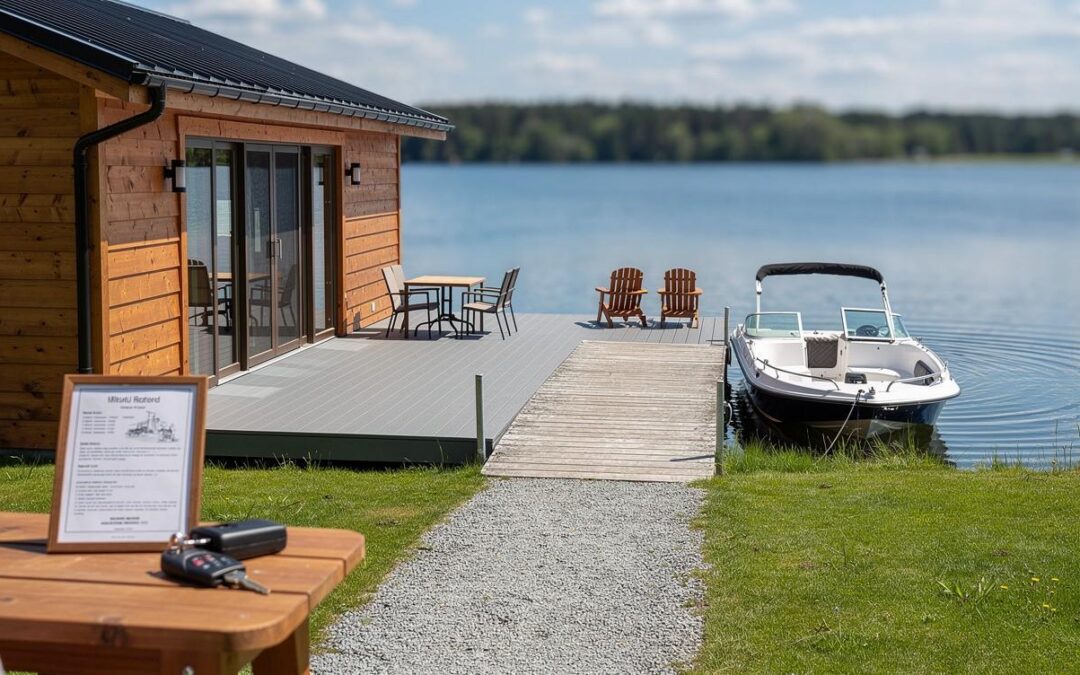
Crosslake lakefront rentals offer some of the best income potential in Minnesota’s vacation market. The combination of year-round appeal, water activities, and proximity to regional attractions makes these properties highly desirable for vacationers.
At Up North Property Management, we’ve seen firsthand how lakefront properties can generate strong returns when managed strategically. This guide walks you through pricing, marketing, and maintenance to maximize your rental success.
What Makes Crosslake Lakefront Properties Stand Out
Crosslake sits in one of Minnesota’s most competitive vacation rental markets, and the numbers prove why. The lake attracts visitors year-round, with summer occupancy rates for well-managed lakefront properties varying by location and management strategy. Winter brings a different crowd-ice fishing enthusiasts and snowmobile riders-which keeps properties occupied even when other seasonal destinations slow down. Spring and fall see moderate demand from families who want outdoor escapes without peak-season crowds. This diversified demand pattern means lakefront owners cannot rely on a single season. Properties that market aggressively across all four seasons outperform those that only target summer vacationers. The reality is that Crosslake’s location on a major recreational lake creates natural appeal that extends far beyond the traditional summer months.
Water Activities Drive Consistent Bookings
Crosslake Lake itself is the primary draw. The lake covers 3,200 acres and supports walleye, northern pike, and bass fishing, which attracts serious anglers who book multiple weeks annually. Families rent lakefront homes specifically for swimming, paddleboarding, and boat access. Properties with direct water access or dock space command 20-30% premium rates compared to nearby non-waterfront homes, based on regional vacation rental pricing data. Guests actively search for homes with specific water amenities, and listings that highlight boat rentals, jet ski access, or private beaches convert at higher rates. Winter transforms the lake into an ice fishing destination, with dedicated fishing enthusiasts willing to pay premium rates for lakefront cabins with direct ice access. The water itself becomes your marketing advantage, and properties that maximize this feature through professional photography and detailed amenity descriptions see faster bookings and higher nightly rates.
Brainerd and Beyond Expand Guest Appeal
Brainerd sits just 30 minutes from Crosslake, which matters significantly for your rental strategy. Brainerd Dispatch reported that Brainerd attracts over 2 million visitors annually through its convention center, golf courses, and family attractions like Paul Bunyan Land. Guests who book Crosslake lakefront homes often spend days exploring Brainerd’s restaurants, shopping, and entertainment, then return to the lake for relaxation. This dual-destination appeal increases your property’s value to renters because they get both waterfront tranquility and access to regional attractions. Mille Lacs Lake sits an hour north, and the Brainerd Lakes Area encompasses dozens of smaller lakes and state parks within 45 minutes. Marketing your Crosslake property as a home base for the entire region-not just the lake itself-attracts guests planning week-long vacations who want variety. Properties positioned this way maintain higher occupancy rates because they appeal to a broader guest profile than lake-only marketing strategies.
Turning Location Into Revenue
The combination of water access, seasonal diversity, and regional proximity creates multiple revenue opportunities that most property owners fail to capitalize on. Successful lakefront owners treat their properties as year-round destinations rather than summer-only investments. The next section covers how to price these properties strategically and market them to the right audiences across all seasons.
How to Price and Market Crosslake Lakefront Rentals for Maximum Income
Set Dynamic Pricing That Reflects Real Demand
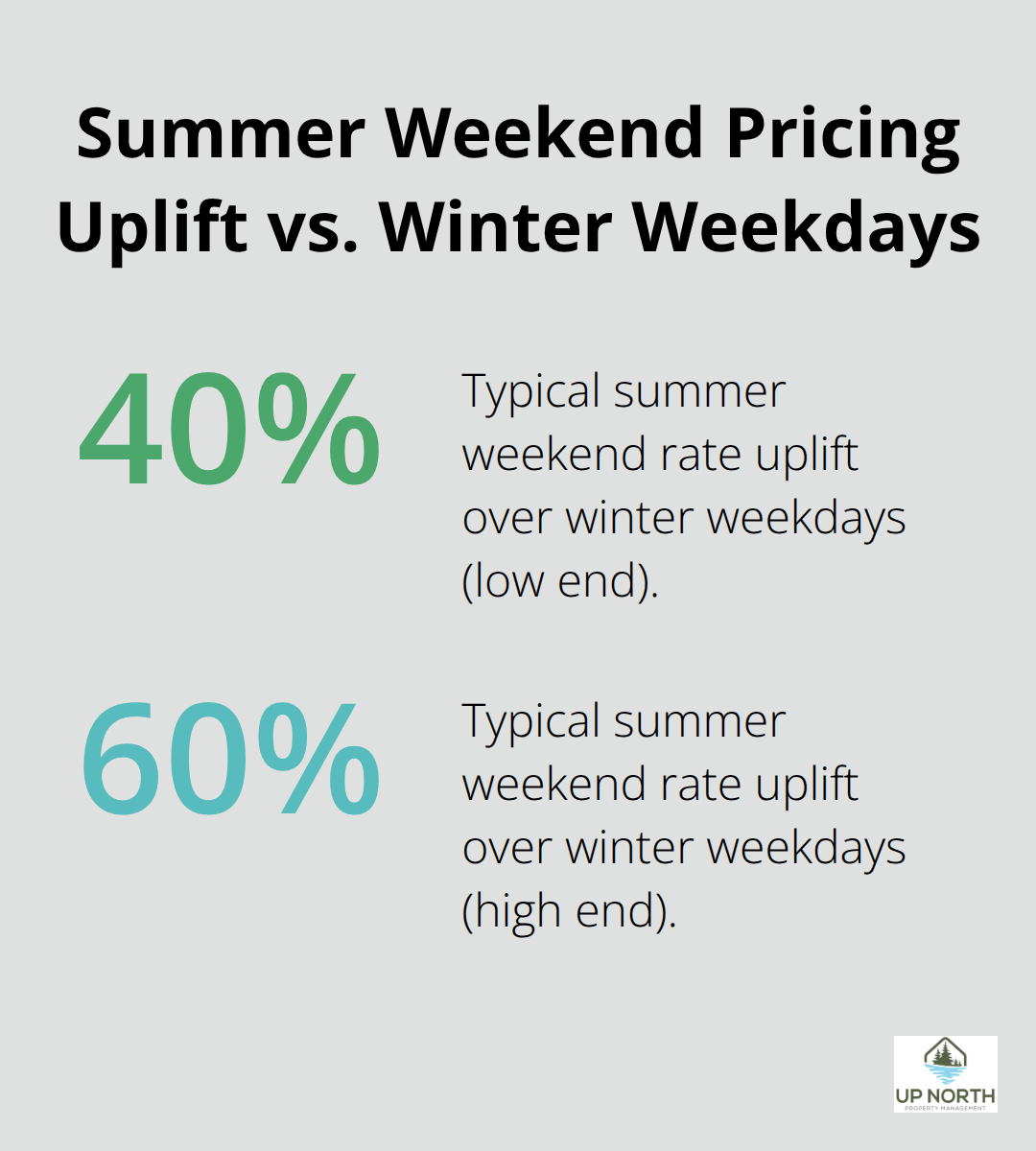
Pricing lakefront properties demands more precision than comparing nearby homes. Start with a dynamic pricing model that adjusts nightly rates based on season and local events. Crosslake properties near the lake command higher base rates than inland homes, but the premium erodes if you overprice during shoulder seasons. Summer weekends (Friday through Sunday) in June, July, and August should carry your highest rates, often 40-60% above winter weekday rates. However, winter weekends targeting ice fishers can match or exceed spring rates in many cases, depending on your property’s specific amenities.
Most owners treat winter as a discount season when it actually attracts a different paying customer willing to spend for the right experience. Set your summer rates first, then work backward to establish winter pricing that reflects actual demand rather than assumption. Spring and fall weekday rates should sit 20-30% below summer peaks, while holiday weeks in both seasons deserve premium pricing. Track your occupancy rate alongside revenue, not just revenue alone. A property booked 70% of the year at moderate rates outperforms one booked 40% of the year at high rates, and the math matters for your actual income.
Reach Guests Across Multiple Booking Channels
Marketing across multiple channels reaches different guest profiles simultaneously. Airbnb and Vrbo remain essential platforms where travelers start searching, but relying exclusively on them means you absorb their commission fees and compete on their algorithms. Direct bookings through your own website or email list eliminate platform fees entirely and build customer loyalty. Google vacation rental ads target people actively searching for Crosslake lakefront homes, making them cost-effective compared to social media advertising.
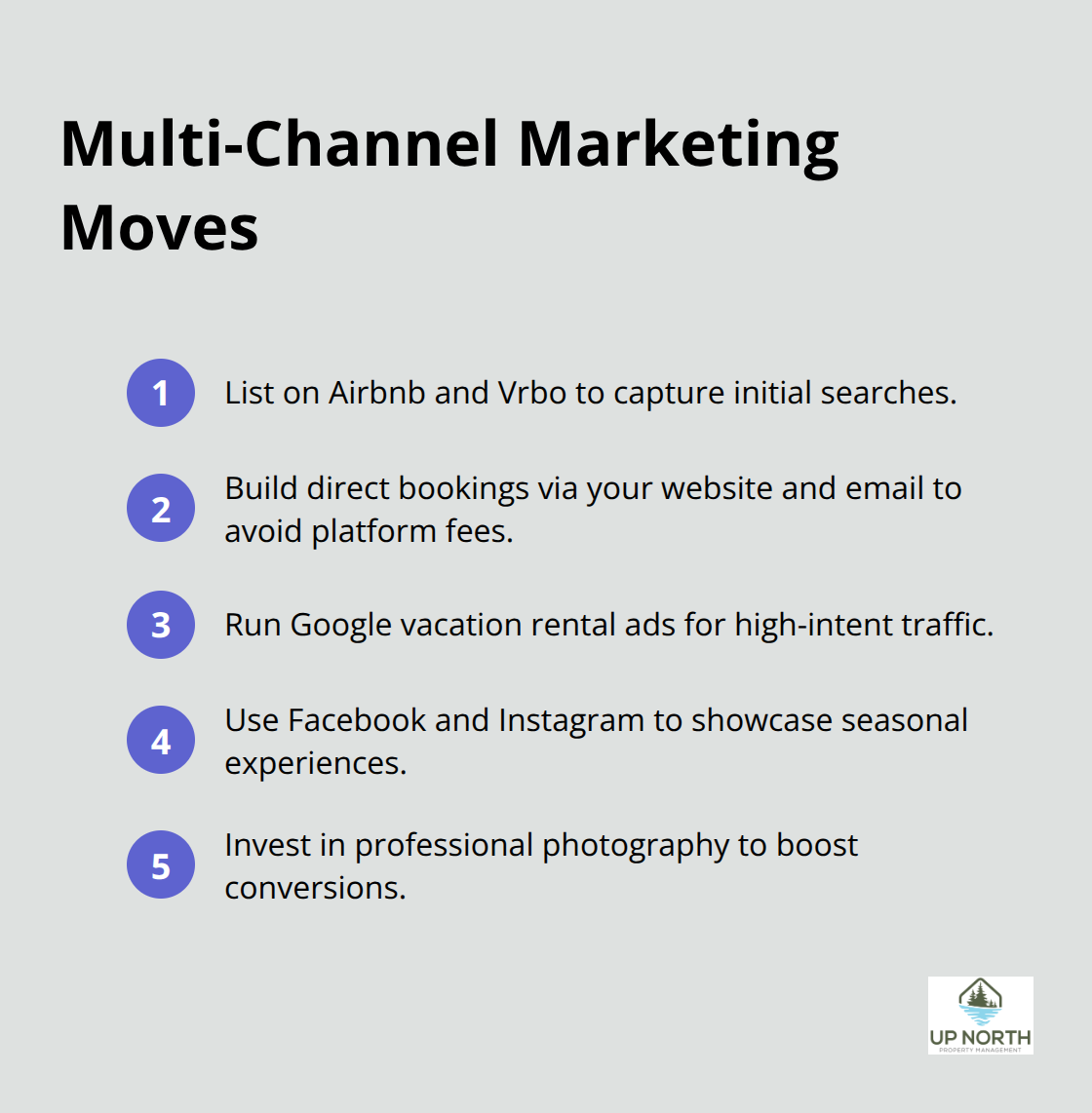
Facebook and Instagram work best for showcasing seasonal experiences, not driving immediate bookings. Professional photography showing water access, dock space, and seasonal activities converts browsers into bookers at significantly higher rates than smartphone photos. Listings that highlight boat rentals, jet ski access, or private beaches convert at higher rates because guests actively search for homes with specific water amenities.
Build Your Reputation Through Reviews and Guest Experience
Guest reviews function as your strongest marketing tool because travelers trust peer feedback over your descriptions. Active review requests after checkout, responses to all feedback within 48 hours, and specific guest comments used in your listing descriptions all matter. Properties with 4.8+ star ratings and 50+ reviews book faster and support higher nightly rates than newer listings. The guest experience itself drives this outcome, making concierge services, quality furnishings, and reliable property maintenance non-negotiable investments.
Providing boat launch information, fishing guides, restaurant recommendations, and Brainerd attraction details transforms a rental into a memorable stay that generates five-star reviews and repeat bookings. This level of service requires coordination across multiple tasks-from pre-arrival communication to post-stay follow-up. Professional property management handles these details systematically, which is why properties with dedicated management teams consistently outperform owner-operated rentals in both occupancy rates and guest satisfaction scores.
The foundation for strong bookings and revenue is now in place. The next challenge lies in maintaining your property to the standards that guests expect and that your premium pricing demands.
Keeping Lakefront Properties Guest-Ready Year-Round
Water Damage Accelerates Faster Than You Expect
Lakefront properties deteriorate faster than inland homes, and this reality separates successful owners from those who watch their rental income decline. Water exposure accelerates wood rot, dock damage, and corrosion on metal fixtures. Ice buildup during winter stresses foundations and docks. Salt spray from winter road treatments damages exterior finishes. Mold and mildew thrive in moisture-heavy lakefront environments.
These aren’t theoretical concerns-they’re expensive problems that reduce your property’s appeal and command lower nightly rates when guests notice deteriorating conditions. Inland homes tend to be more budget-friendly and typically need less upkeep, but skipping maintenance on lakefront properties costs exponentially more in lost bookings and emergency repairs. Your dock requires inspection for loose boards, rotting supports, and structural shifts before each season. Caulking around windows and doors prevents ice-related damage that expands during freeze-thaw cycles.
Establish a Seasonal Maintenance Schedule
Gutter cleaning happens monthly during fall and spring when debris accumulates fastest near trees. Winter requires specific attention-cover outdoor furniture, winterize dock connections, and verify proper drainage around foundations to prevent thousands in damage. Spring and fall dock inspections catch problems before they worsen.
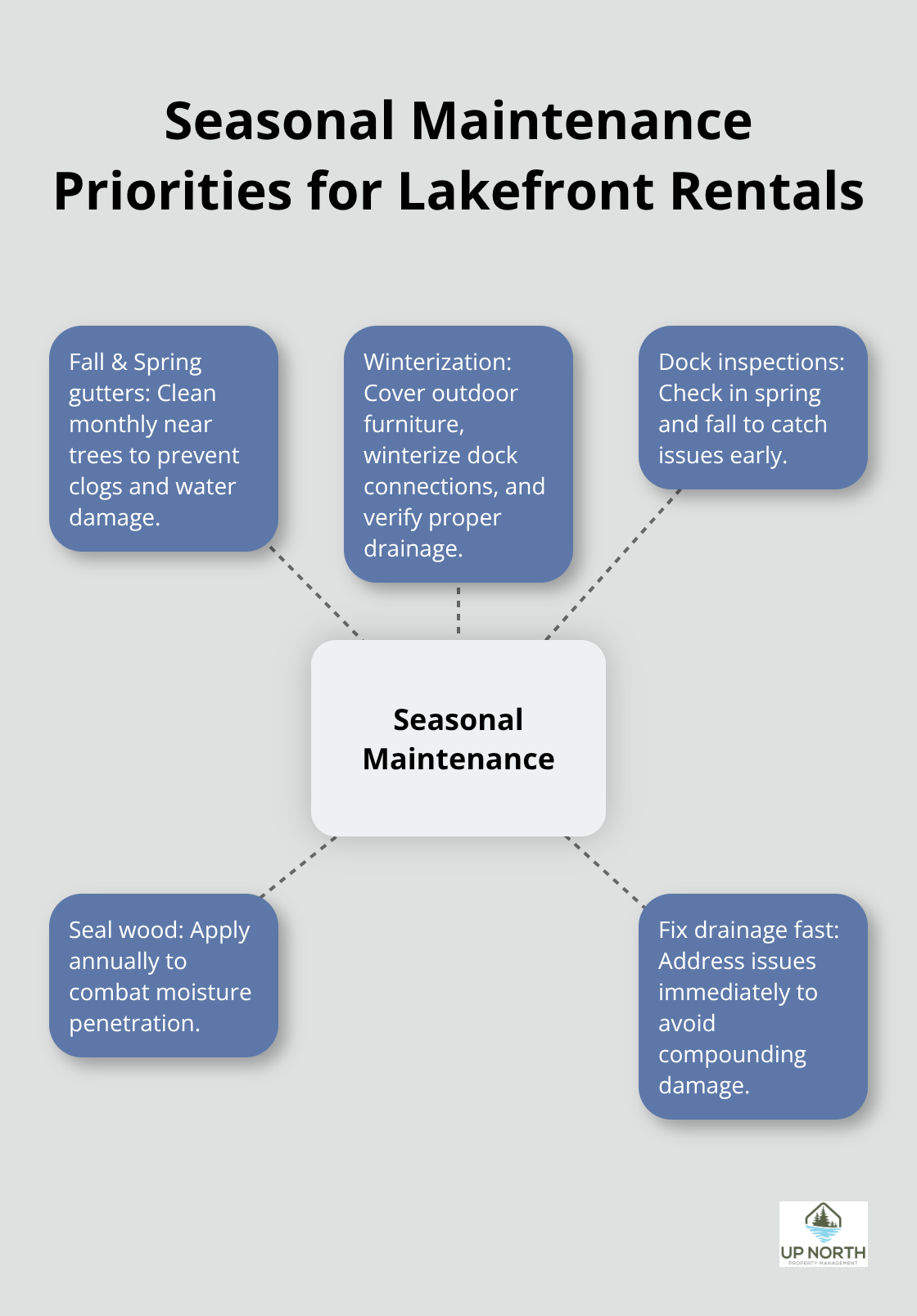
Seal wood surfaces annually to combat moisture penetration. Address drainage issues immediately because water damage compounds quickly.
Properties with documented maintenance schedules attract higher-quality guests because the home visibly shows professional care. Guests notice peeling paint, stained ceilings, and deteriorating docks, and they leave lower ratings and book elsewhere. A well-maintained property justifies premium nightly rates and generates repeat bookings from guests who value quality.
Plan Extended Turnover Time Between Guests
Turnover between guests demands military-precision timing on lakefront properties because water access means guests track mud, sand, and algae inside constantly. A standard three-hour cleaning window between guests isn’t realistic for lakefront homes-plan for four to five hours minimum. Bedding changes, bathroom deep-cleaning, and kitchen sanitization take longer when sand permeates every surface. Dock areas need pressure washing weekly during summer months. Exterior furniture requires wipe-downs after each guest departure.
Professional cleaning services with lakefront experience outperform standard cleaners unfamiliar with waterfront-specific challenges. These specialists understand how to remove sand from hard-to-reach places and prevent mold in high-moisture areas. The investment in specialized cleaning protects your property’s condition and maintains the guest experience that drives five-star reviews.
Deliver Concierge Support That Generates Loyalty
Concierge support transforms casual renters into loyal repeat customers willing to pay premium rates. Provide detailed dock safety information, water temperature updates, and current fishing conditions before guest arrival. Stock the property with local restaurant menus, attraction maps, and activity recommendations specific to Brainerd and surrounding areas. Respond to guest questions within two hours during their stay-this responsiveness generates the five-star reviews that drive future bookings.
Guest requests during stays reveal what amenities matter most, so track these patterns to prioritize future property improvements. A guest who asks about boat rentals signals you should partner with local marinas. Multiple requests for fishing guides mean hiring a local guide service or creating detailed fishing resource documents. This feedback loop between guest experience and property upgrades creates competitive advantages that generic property listings cannot match.
Final Thoughts
Crosslake lakefront rentals generate strong income when you treat them as year-round businesses rather than seasonal side projects. The water access, regional proximity, and seasonal diversity create multiple revenue streams that most property owners leave untapped. Summer bookings from families and boaters form your foundation, but winter ice fishing demand and spring-fall shoulder season travelers fill gaps that keep occupancy rates high throughout the year.
Consistent occupancy and guest satisfaction depend on three interconnected factors: dynamic pricing that reflects actual demand across all seasons, multi-channel marketing that reaches different guest profiles simultaneously, and professional maintenance plus concierge support that protect your property’s condition while generating five-star reviews. These elements work together, and neglecting any one of them creates bottlenecks that reduce your income. The operational reality is that managing lakefront properties demands more attention than inland homes because water damage accelerates faster, turnover between guests takes longer, and guest expectations run higher when they pay premium rates.
We at Up North Property Management handle these operational complexities across Northern Minnesota, including the Crosslake area, so property owners can focus on their investment returns. We manage multi-channel marketing, coordinate guest services and concierge support, and facilitate cleaning and maintenance schedules specific to lakefront properties. If you want to maximize your Crosslake lakefront rental income without managing day-to-day operations, professional management simplifies ownership while protecting your property’s long-term value.