
Managing a rental property on your own sounds simple until you’re juggling tenant complaints at midnight, coordinating emergency repairs, and watching vacancy rates climb. Most homeowners underestimate how much time and expertise homeowner property management actually demands.
We at Up North Property Management have seen countless owners reach a breaking point where the stress outweighs the income. The good news is that outsourcing these responsibilities can transform your rental business entirely.
Why Self-Managing Rental Properties Drains Your Time and Money
Tenant Communication Consumes Your Evenings and Weekends
Tenant communication requires significant time investment for active rental owners. Renters expect responses within hours, not days, and complaints range from minor maintenance requests to serious disputes about lease violations. Without a structured system, you’ll answer texts at 11 PM about a leaky faucet or handle a tenant who’s three weeks late on rent. The emotional labor is real-many owners report feeling obligated to stay available constantly, which erodes their quality of life.
Emergency Repairs Create Costly Coordination Headaches
Emergency repairs add another layer of chaos. When a pipe bursts in winter or the HVAC fails during a heatwave, you need immediate vendor access and coordination skills most owners lack. Coordinating between multiple contractors, managing timelines, and approving expenses on the fly costs time and money. Studies show that poorly coordinated maintenance can lead to significant inefficiencies in vendor management and increased costs.
Marketing and Vacancy Management Require Market Expertise
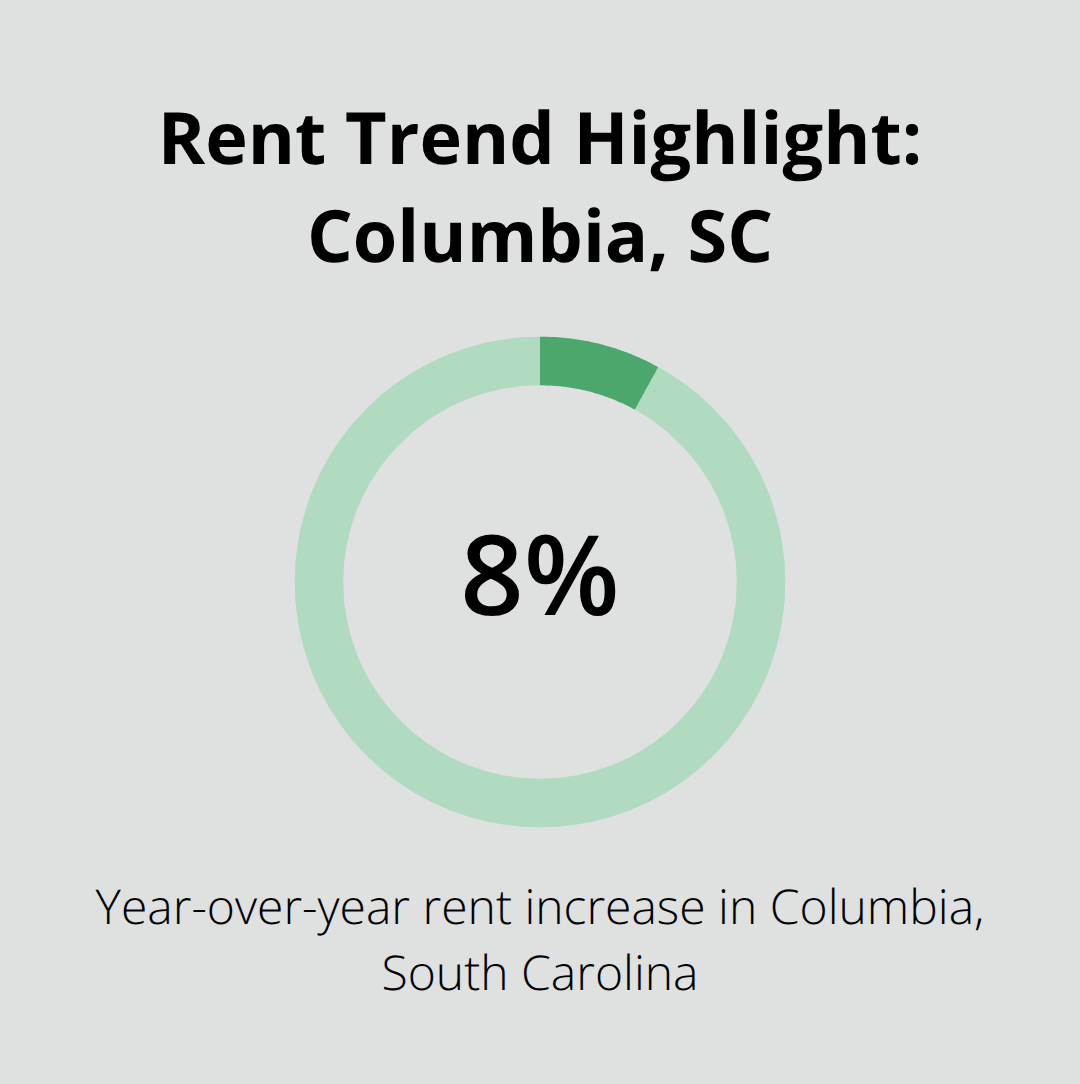
Marketing and vacancy management present a third major challenge. Setting competitive rental rates requires analyzing local market data-median rents in many U.S. markets now exceed $2,000 monthly, and rates vary significantly by location. Columbia, South Carolina saw 8% year-over-year rent increases while Austin experienced a 3.2% decline, according to recent rental market reports.
Owners who price incorrectly either leave money on the table or face extended vacancies. Attracting quality tenants demands professional photography, multi-platform advertising, and rapid response to inquiries. Most self-managing owners struggle with these tasks, resulting in longer vacancy periods and reduced annual income.
The Real Financial Cost of Self-Management
The cumulative effect of these three challenges-tenant management, maintenance coordination, and marketing-typically consumes 15–25 hours monthly for a single property, and that number climbs with multiple units. Homeowners entering the rental market rarely anticipate this workload. The financial impact is measurable: a 30-day vacancy costs owners an entire month’s rent, while poor maintenance coordination and tenant screening mistakes can lead to property damage or eviction expenses exceeding $5,000. Most owners eventually realize that their hourly rate for self-management falls far below what they could earn elsewhere.
This reality explains why professional property management has become the standard in the industry. The question isn’t whether you can manage a property yourself-it’s whether you should, given the time and financial costs involved. Understanding what professional managers actually handle reveals why outsourcing transforms rental operations.
What Professional Property Managers Actually Do for You
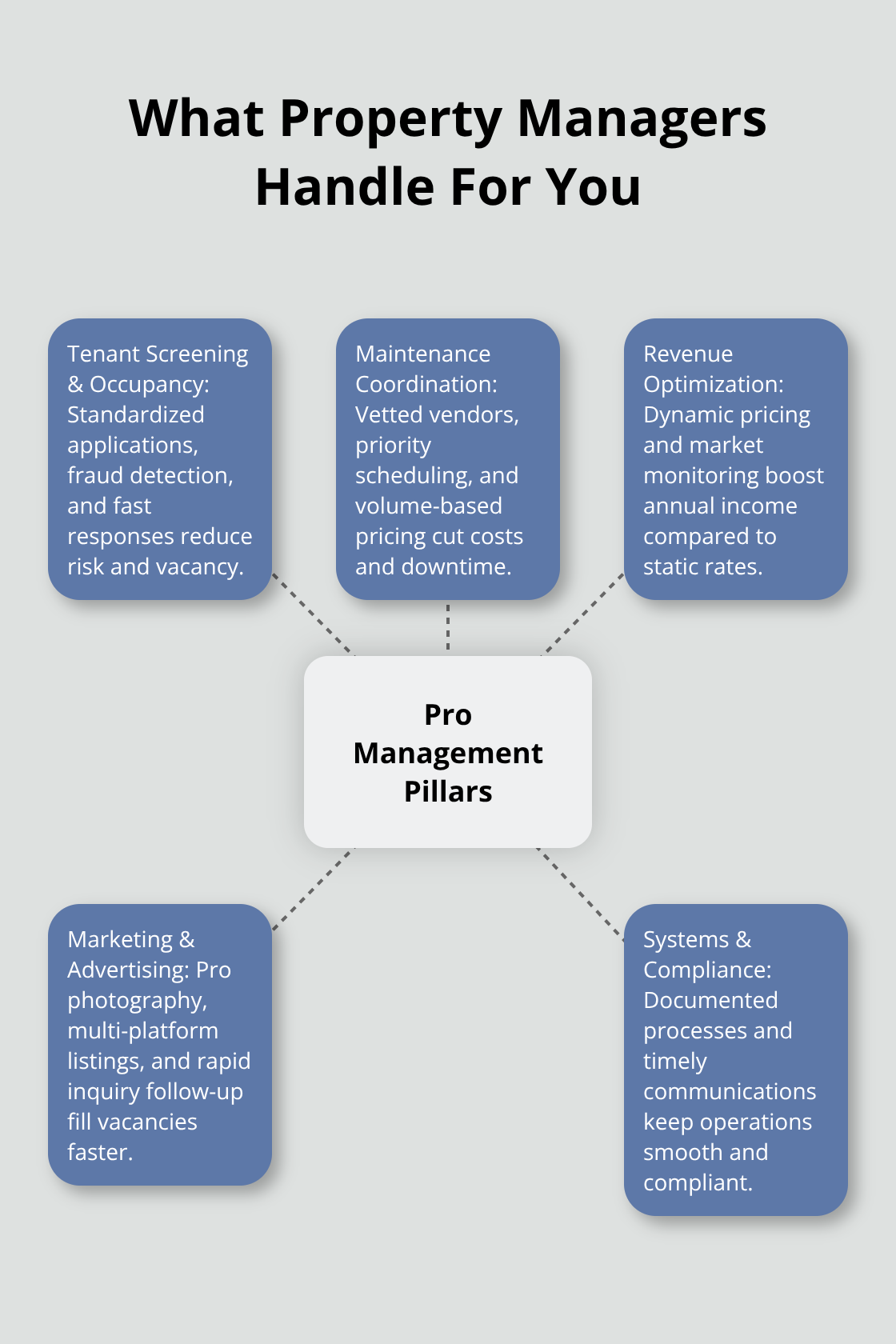
Professional property managers handle the three operational pillars that consume most owners’ time: tenant screening and occupancy management, maintenance coordination, and revenue optimization through pricing and marketing. When a property manager takes over, they implement systems that self-managing owners typically lack.
Tenant Screening and Occupancy Management
Tenant screening becomes standardized and thorough under professional management. Managers use tools like Snappt to detect document tampering and verify employment or bank statements, reducing the risk of problem tenants before they ever sign a lease. They collect consistent rental applications that document employment history, references, and authorize credit and background checks. This screening process takes hours per applicant, yet professional managers complete it as routine work.
Once tenants are approved, managers handle check-in procedures, establish communication protocols, and respond to maintenance requests within hours rather than days. For vacation rental properties, this means coordinating cleaning between guests, scheduling inspections, and maintaining the property’s condition to support premium pricing and guest satisfaction. The financial difference is measurable: properties with professional screening and rapid maintenance response achieve higher occupancy rates than self-managed properties.
Maintenance Coordination and Vendor Management
Maintenance coordination represents the second major function. Instead of juggling multiple contractors yourself, managers maintain vetted vendor networks and schedule repairs proactively. They track maintenance history, prioritize emergency repairs, and negotiate contractor rates based on volume. A manager’s vendor relationships typically reduce repair costs compared to one-off owner calls.
Managers also implement preventive maintenance schedules that catch small issues before they become expensive problems. This proactive approach protects your property value and prevents minor issues from escalating into costly repairs that disrupt guest stays or tenant satisfaction.
Marketing and Revenue Optimization
Professional managers analyze local market data daily and adjust rates based on demand, seasonality, and competitive properties. They test different price points, monitor booking patterns, and adjust strategy monthly. This data-driven approach to revenue management typically increases annual income by 20–35% compared to static pricing that many owners use.
Professional photography and multi-platform advertising fill more nights at higher rates than owner-managed properties. Managers leverage their marketing expertise to attract quality guests and tenants quickly, minimizing vacancy periods and maximizing income potential. These three functions-screening, maintenance, and revenue management-work together to transform how your property operates. The next section reveals exactly how this transformation translates into measurable results for your rental business.
How Your Rental Income and Guest Experience Transform
Occupancy Rates Climb When Managers Price Strategically
Professional property management delivers measurable financial gains that far exceed the management fee itself. Occupancy rates jump significantly when managers price dynamically and market aggressively across multiple platforms. A self-managing owner might achieve 70–75% annual occupancy, leaving roughly 90–135 vacant nights per year. Professional managers typically push properties to 85–90% occupancy through strategic pricing and rapid booking response, translating to an additional 35–55 nights of rental income annually. At a $200 nightly rate, that amounts to $7,000–$11,000 in extra annual revenue from occupancy alone.
Revenue Optimization Compounds Your Income Gains
Revenue optimization adds another layer of financial improvement. Managers test pricing weekly based on local demand, competitor rates, and seasonal patterns. This data-driven approach typically increases nightly rates by 15–25% compared to static pricing, compounding the income gain. A property earning $36,500 annually under owner management could generate $55,000–$60,000 under professional management, even after accounting for the 8–12% management fee. The financial transformation happens because managers access market data and pricing tools that individual owners lack, and they adjust strategy constantly rather than setting rates once per season.
Guest Satisfaction Drives Repeat Bookings and Higher Ratings
The second transformation is operational stress relief paired with guest satisfaction that drives repeat bookings and referrals. Self-managing owners field maintenance complaints, coordinate contractors, arrange cleanings, and respond to guest messages across multiple platforms simultaneously. Professional managers consolidate these tasks into structured systems: guests submit requests through a single portal, managers prioritize repairs based on urgency, and cleanings happen on predictable schedules. This consistency improves guest experience measurably.
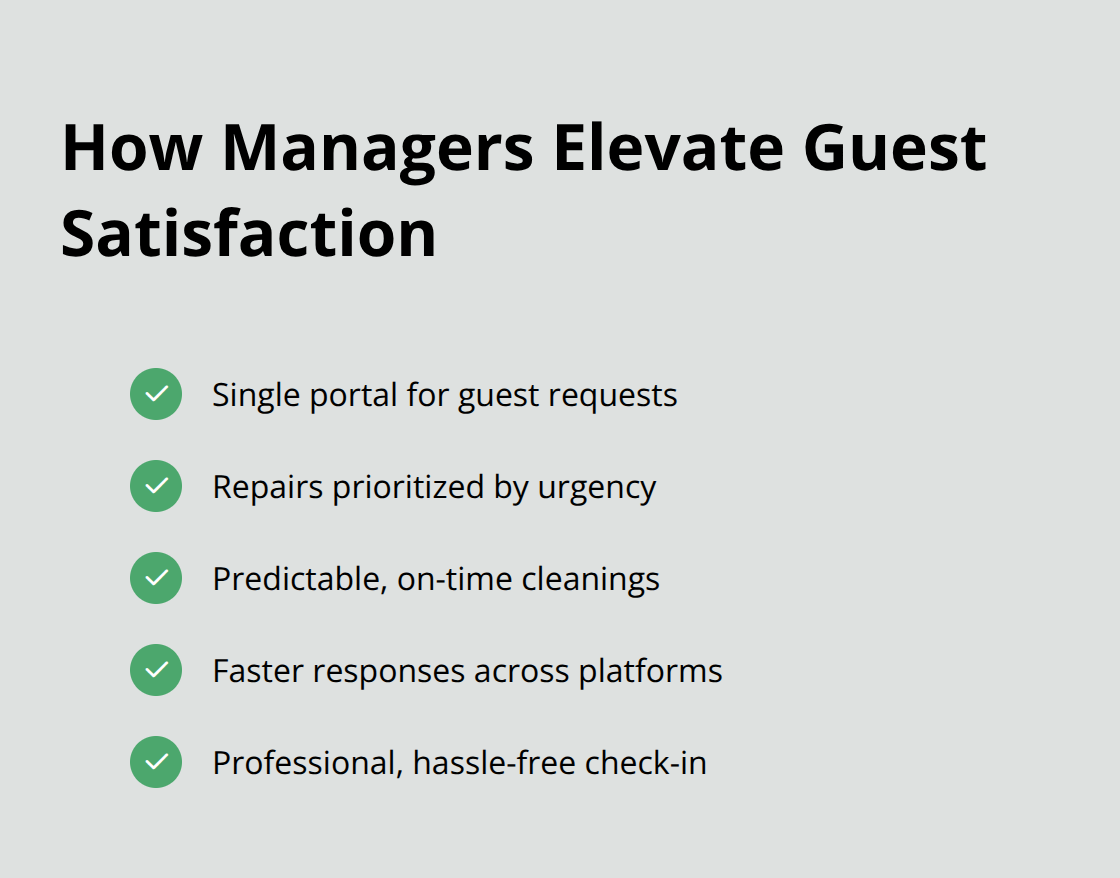
Properties managed professionally receive higher review scores because guests encounter responsive communication, well-maintained spaces, and professional check-in procedures. Higher ratings drive more bookings and allow managers to justify premium pricing. Owners reclaim their evenings and weekends while their properties generate more income with fewer operational headaches.
Time Savings Unlock New Opportunities for Property Owners
The stress reduction itself has financial value. Owners who outsource report spending fewer than two hours monthly on property tasks versus 15–25 hours for self-managed properties. That amounts to 156–276 hours annually freed for other income-generating activities or simply living without constant property-related interruptions. This time reclamation transforms property ownership from a second job into a genuine passive income stream.
Final Thoughts
Professional property management transforms your rental property from a time-intensive side job into genuine passive income by handling tenant communication, maintenance coordination, and revenue optimization. The financial gains typically exceed the management fee within the first year, with occupancy rates climbing 10–15 percentage points and nightly rates increasing 15–25% through data-driven pricing. Owners who transition to professional management reclaim 150–250 hours annually that they previously spent fielding complaints, coordinating contractors, and managing marketing.
Selecting the right management partner requires evaluating experience with your property type, transparent fee structures, and alignment with your financial goals. Ask potential managers about their occupancy rates, average guest ratings, and how they handle emergency repairs, then request references from current property owners and review their online reputation carefully. The cheapest option rarely delivers the best results; instead, focus on managers who demonstrate expertise in your market and commitment to maximizing your income.
We at Up North Property Management specialize in full-service vacation rental management across Northern Minnesota, handling everything from aggressive marketing and bookings to cleaning and maintenance coordination. Our team ensures your property stays in top condition while you enjoy hassle-free income, and your guests experience memorable stays that generate consistent revenue. If you’re ready to simplify your homeowner property management and stop managing your rental yourself, explore how we can transform your property and free up your time for what matters most.