Vacation rental hosting requires more than just listing your property online. The difference between a mediocre rental and one that guests rave about comes down to the details you implement before, during, and after their stay.
We at Up North Property Management have seen firsthand how hosting tips for vacation rentals transform guest experiences and boost your booking rates. This guide walks you through the strategies that matter most.
What Makes Guests Feel Welcome Before They Arrive
Prepare Your Property Three Days in Advance
The first 24 hours of a guest’s stay set the tone for everything that follows. A guest arriving at a dirty property or one missing basic amenities will leave a negative review before they even unpack. Start preparing your rental at least three days before arrival, not the day before. Deep clean every surface, including baseboards, light fixtures, and inside appliances. Check that all furniture sits at correct angles, beds have wrinkle-free sheets, and pillows are plump and fresh. Test every light switch, faucet, and appliance yourself. If something doesn’t work properly, fix it now. Guests will photograph broken items and post them online.
Stock Essential Items That Guests Actually Need
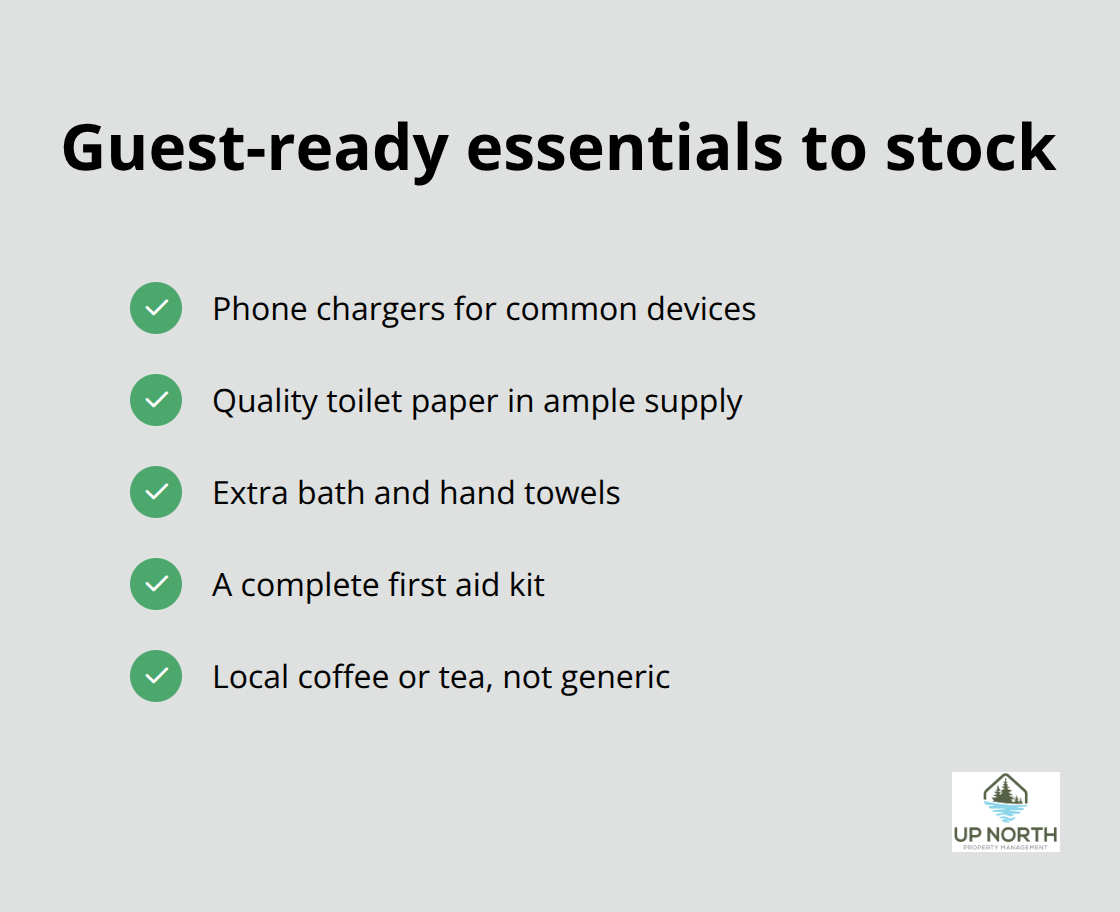
Stock your rental with items people actually need: phone chargers for common devices, quality toilet paper, extra towels rolled neatly on shelves, and a first aid kit. Include local coffee or tea, not generic brands. These small touches signal that you care about their comfort.
Provide Clear Instructions and House Rules
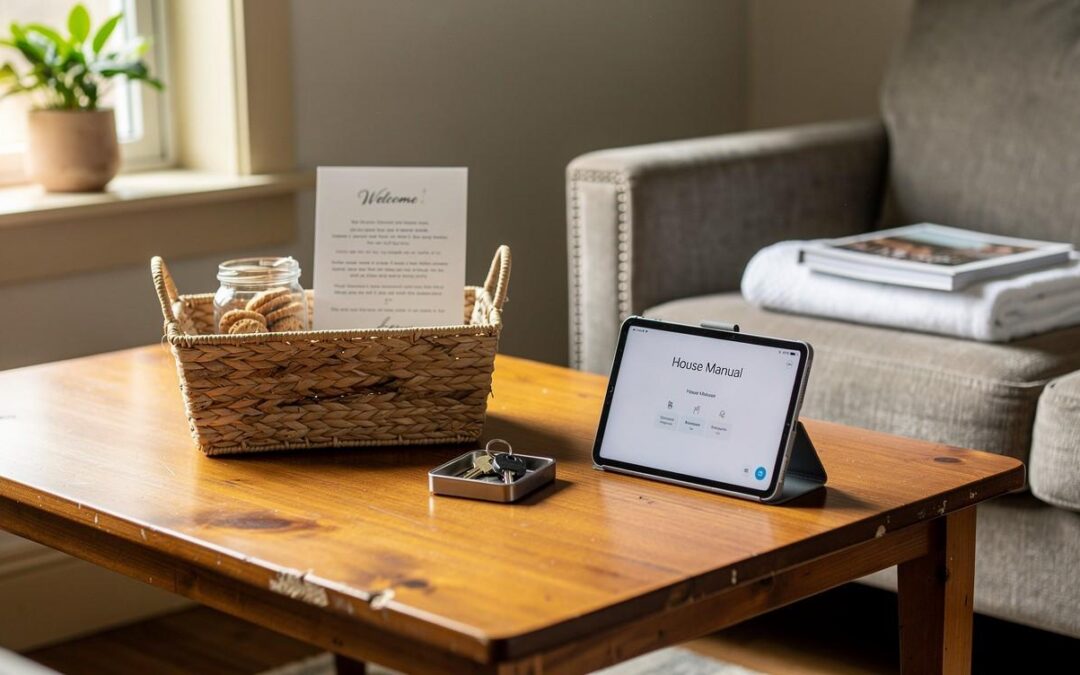
Provide a welcome binder or digital guide that covers Wi-Fi passwords, thermostat operation, parking details, trash and recycling schedules, and emergency contacts. Don’t assume guests know how to operate your property. People waste time figuring out how to adjust the shower temperature or locate the circuit breaker. Include a floor plan showing room locations and a checklist of house rules written in plain language. State rules directly: no parties, no smoking, quiet hours between 10 PM and 8 AM, maximum occupancy limits.
Add Practical Details and Local Recommendations
Include practical details like which door to use for entry, where to find extra linens, and whether guests can adjust the thermostat freely or if certain temperatures are off-limits. Add recommendations for restaurants within 10 minutes of your property, local hiking trails, and nearby attractions. Personal touches matter more than generic tourism websites. If you know a family restaurant with great kids’ meals, mention it specifically. If there’s a kayak rental place nearby, include their phone number and hours. These specifics help guests feel like locals rather than tourists, which leads directly to how you’ll support them throughout their stay.
How to Respond to Guests Before and During Their Stay
Answer Questions Within One Hour
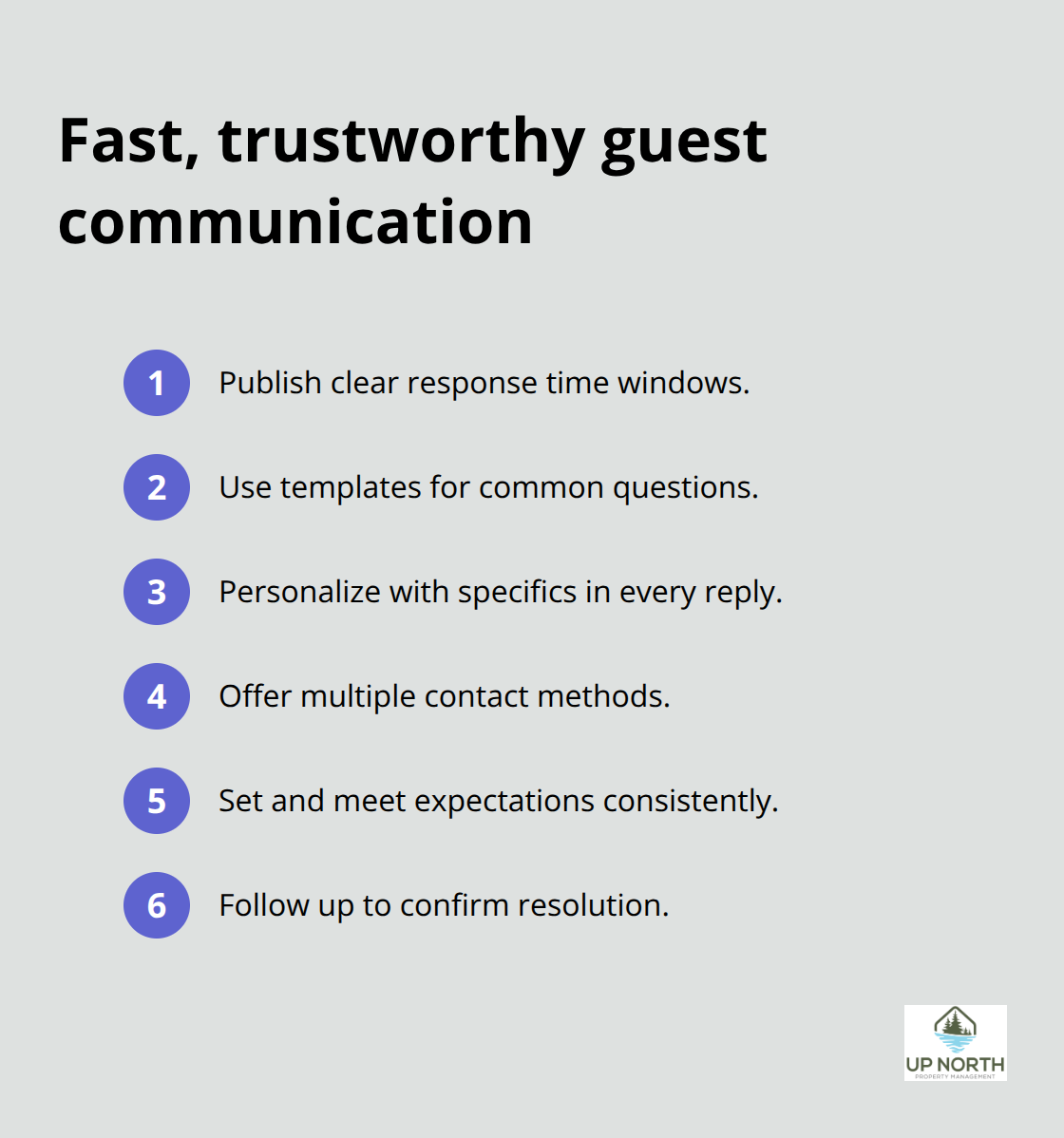
Speed matters more than perfection when guests contact you with questions. Hosts who respond promptly to inquiries tend to receive more bookings than those with slower response times. This isn’t about being available every second-it’s about setting expectations and meeting them consistently.
Create a template for common questions: Wi-Fi passwords, check-in procedures, parking details, and pet policies. You’ll answer the same questions repeatedly, so having pre-written responses saves time while maintaining a personal tone. When a guest asks about the thermostat, don’t just say it works-tell them the exact temperature it maintains and whether they can adjust it freely. Specificity builds trust and reduces follow-up questions.
Set Clear Response Time Expectations
State your response time in your listing: tell potential guests you respond within two hours during business hours and within 12 hours outside those times. Then stick to it. Missing your stated response window damages your reputation far more than being honest about slower turnaround.
Provide Multiple Contact Methods During Their Stay
During their stay, provide multiple contact methods. A phone number works best for urgent issues like a broken toilet or lost key, while email or messaging apps handle non-emergencies like restaurant recommendations. Many hosts make the mistake of only offering one contact method, which frustrates guests when they need immediate help.
Post your phone number prominently in the welcome binder and digitally. If you can’t answer calls during the day, set up voicemail and return calls within two hours.
Share Insider Local Knowledge
For personalized local recommendations, go beyond generic suggestions. Don’t just say there’s a restaurant nearby-tell guests about specific dishes, price ranges, and whether reservations are required. If you recommend a hiking trail, mention the difficulty level, parking situation, and best time to visit to avoid crowds.
Guests remember hosts who give insider knowledge, and that translates directly into five-star reviews and repeat bookings. The goal is making guests feel like they have a local friend guiding them, not a distant property manager responding to questions. This foundation of trust and responsiveness prepares you to handle the inevitable maintenance issues and property concerns that arise during any guest stay.
Keep Your Property in Peak Condition Between Guests
Inspect and Clean Immediately After Checkout
The moment a guest checks out, your property enters a critical window where most damage either gets caught or gets missed. Schedule your cleaner to arrive the same day guests leave, not two days later. A toilet leak discovered immediately costs $200 to fix. The same leak discovered a week later costs $2,000 after water damage spreads behind walls. Your cleaning crew must follow a standardized checklist every single time, not rely on memory or improvisation. This checklist covers appliance functionality, plumbing, HVAC operation, and structural damage like wall scuffs or carpet stains. Photograph the property after cleaning and inspection so you have visual proof of its condition before the next guest arrives. This documentation protects you if a guest later claims damage existed before their stay.
Schedule Preventative Maintenance on a Fixed Calendar
Keep your property in peak condition between guests by using practical checklists and preventive routines to avoid unexpected repair costs. Most vacation rental hosts wait until something breaks to fix it, which means guests experience outages and leave bad reviews. Instead, schedule HVAC filter changes every three months, water heater inspections annually, and appliance servicing based on manufacturer recommendations. Document every maintenance visit with dates and work performed so you build a maintenance history that helps you spot patterns. If your dishwasher needs repair twice in six months, replace it instead of repeatedly paying for fixes.
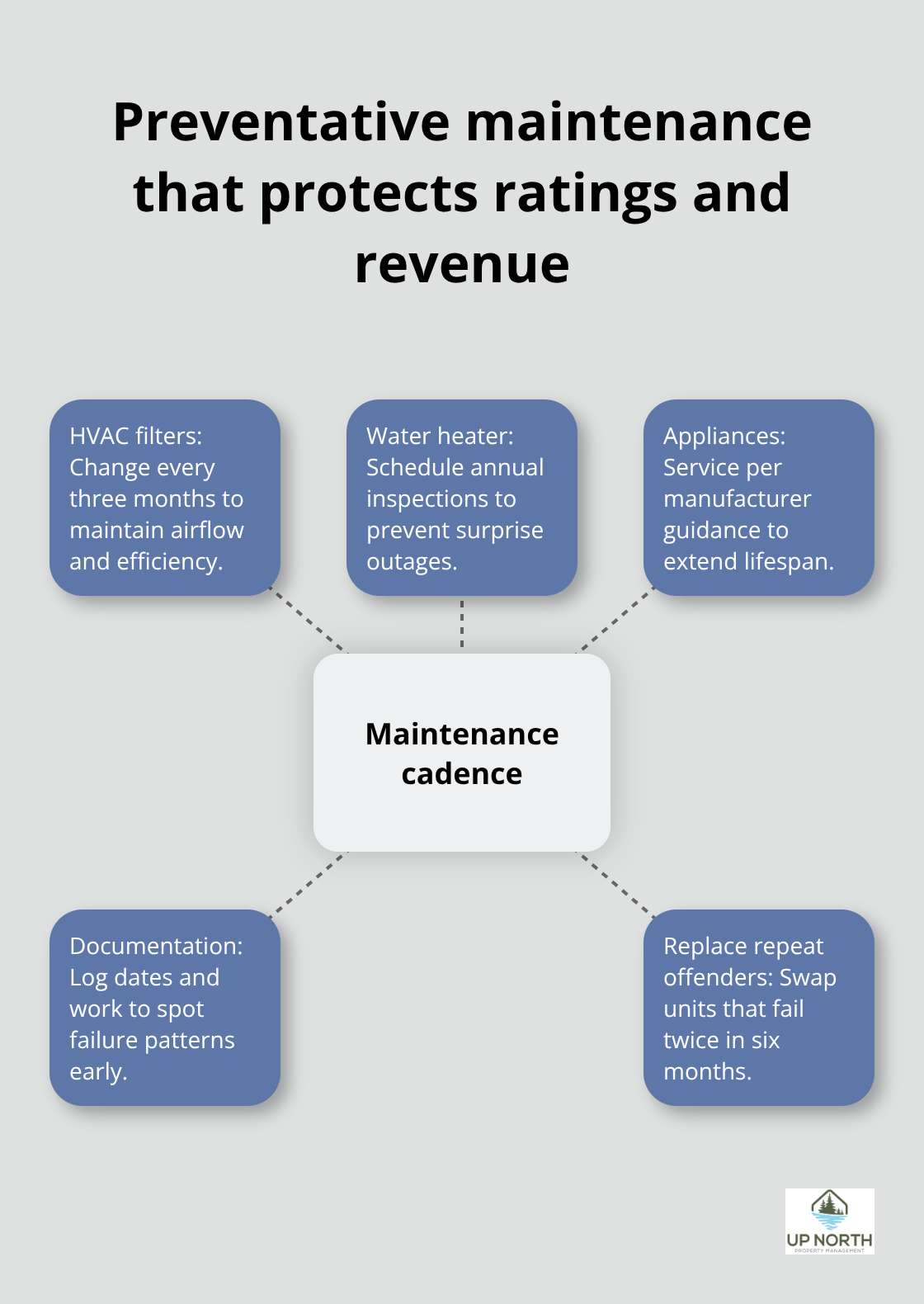
This approach costs less over time and prevents guest complaints.
Respond to Guest Issues Within Two Hours
Respond to guest issues within two hours and either fix the problem immediately or provide a workaround that same day. A broken air conditioning unit in July demands same-day attention, not a callback tomorrow. If you cannot fix it immediately, offer guests a partial refund or alternative accommodation without waiting for them to ask. Guests who see you respond this quickly often upgrade their reviews from three stars to five stars.
Handle Damage Claims Fairly and Consistently
When damage occurs, take clear photos from multiple angles, document exactly what happened according to the guest, and determine whether it falls under normal wear or guest negligence. Normal wear means you absorb the cost and move forward. Guest negligence means you file a damage claim against their security deposit or require payment before they leave the platform. The key is consistency: apply the same standards to every guest so you never appear unfair or unprofessional.
Final Thoughts
Send a brief message thanking guests for their stay within 24 hours after checkout. This simple gesture keeps your property fresh in their minds and makes them more likely to leave feedback. Most guests won’t review unless you ask directly, so a message like “We’d love to hear about your experience” generates significantly higher review rates than waiting passively for feedback to arrive.
Read every review carefully, including the critical ones, because guest complaints about poor water pressure or a confusing thermostat reveal exactly what to fix before the next arrival. Patterns matter more than individual comments-if three guests mention the same issue, that’s your signal to prioritize that repair or improvement. Hosts who act on guest feedback see their ratings climb within two to three months, and these hosting tips for vacation rentals work best when you treat feedback as actionable intelligence.
Repeat guests represent your most profitable bookings since they skip the discovery phase and book with confidence, while offering returning guests a small discount or welcome gift (like local snacks or upgraded amenities) costs far less than the marketing expense required to attract new guests. If managing all these details feels overwhelming, Up North Property Management handles multi-channel marketing, bookings, guest services, cleaning, and maintenance for vacation rental owners in Northern Minnesota. Your focus should remain on creating memorable experiences that turn guests into loyal advocates.