
Minnesota’s lakes region draws over 30 million visitors annually, and for good reason. The area offers world-class fishing, pristine hiking trails, and charming local restaurants that make it a premier destination year-round.
We at Up North Property Management help travelers navigate this beautiful region with practical Minnesota travel guides online and on-the-ground expertise. This guide covers everything from the best seasons to visit and top activities to accommodation options and budgeting strategies for your trip.
When to Visit Minnesota’s Lakes Area
Peak Season: Summer Activity and Higher Costs
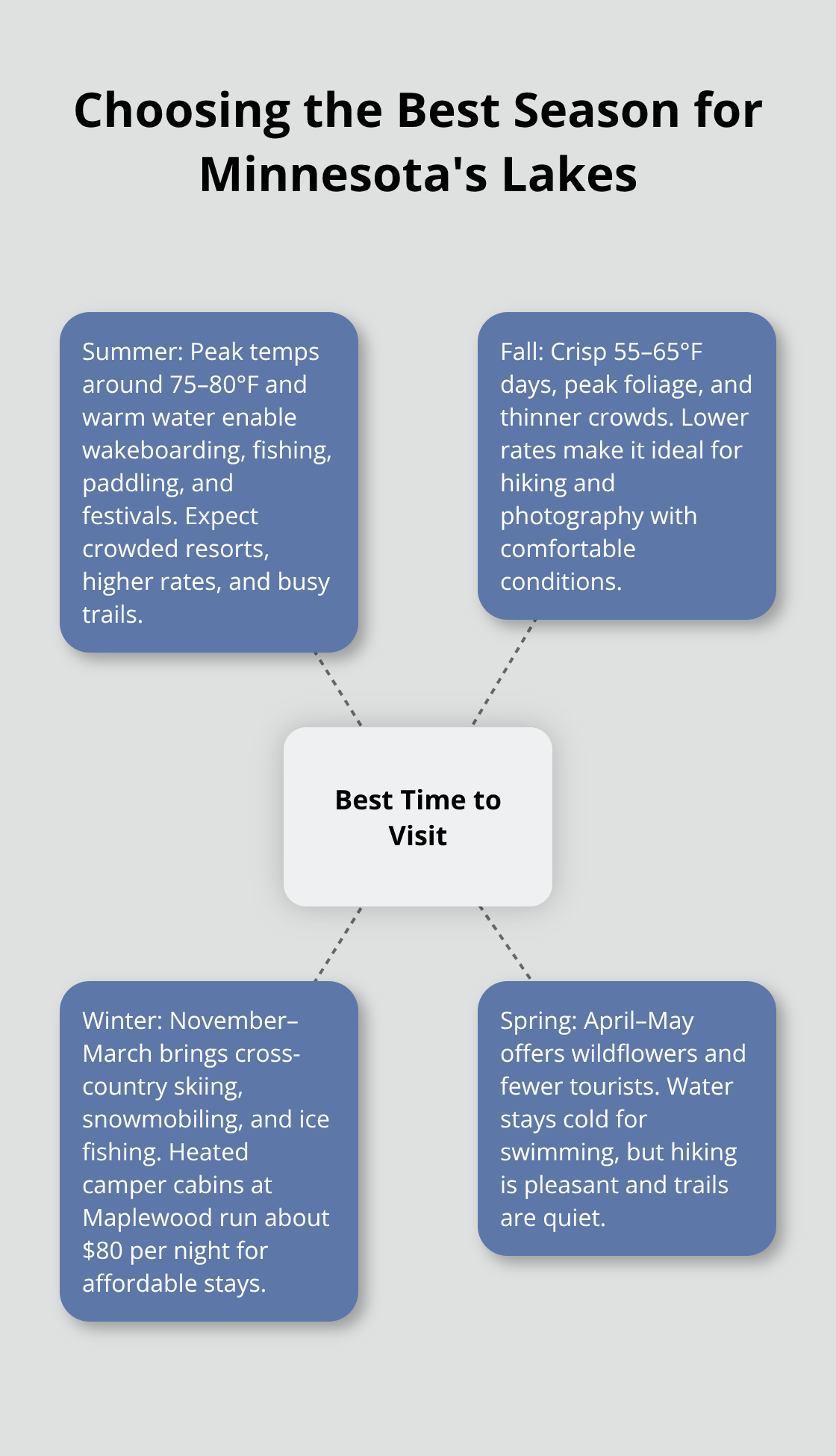
Summer dominates Minnesota lake travel, with peak season running from June through August when temperatures average 75–80°F and water temperatures reach 70–75°F. This window offers maximum activity availability-wakeboarding, fishing, hiking, and paddling all thrive during these months. Explore Minnesota reports that summer hosts countless festivals, outdoor concerts, and family events that attract the 30 million annual visitors to the region. However, expect crowded resorts, higher accommodation rates, and busier trails. Summer isn’t your only option, and frankly, it’s often overrated for serious travelers who want to experience the region rather than navigate it.
Fall: Foliage, Lower Rates, and Genuine Exploration
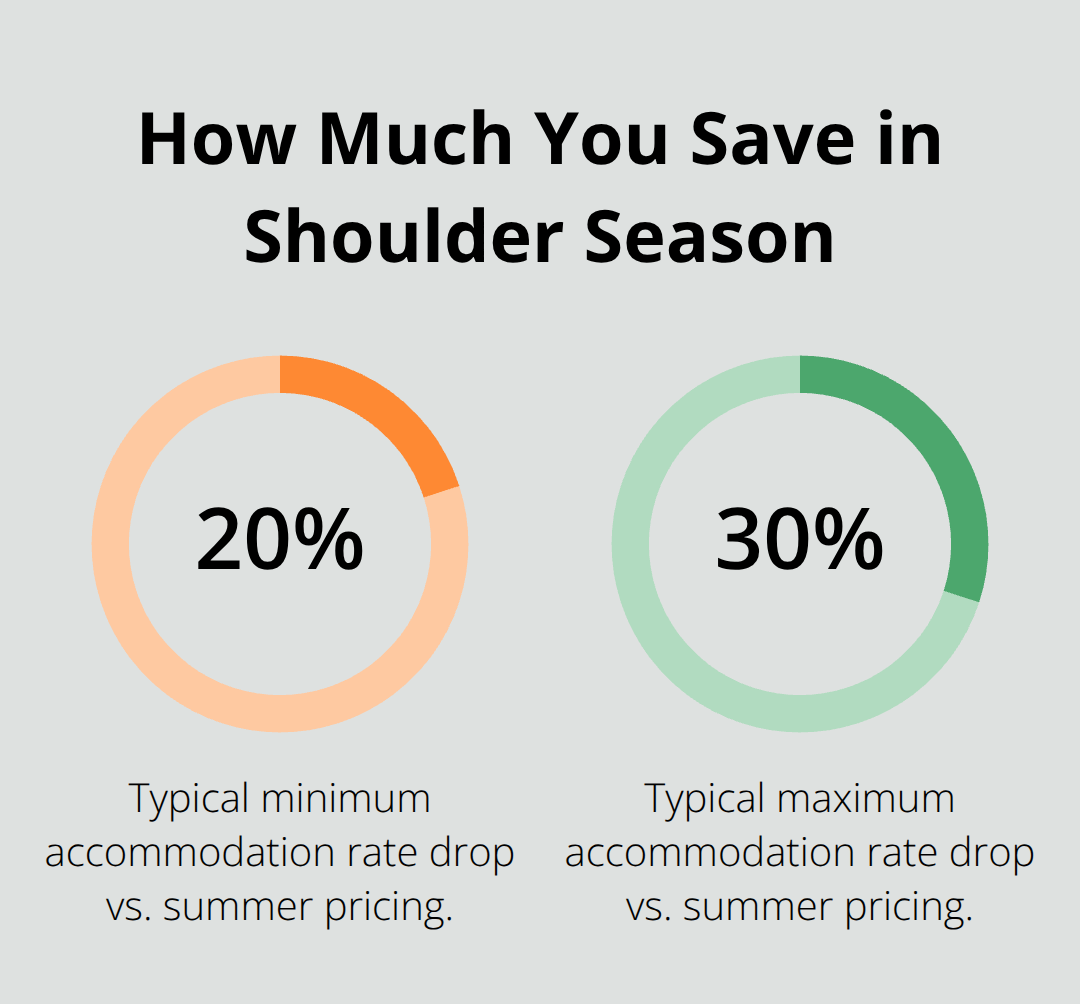
Fall runs September through mid-October with temperatures dropping to 55–65°F, making it ideal for hiking and photography. The autumn foliage peaks in late September and early October across Minnesota’s hardwood forests, and crowds thin considerably compared to summer. Accommodation rates drop 20–30% during shoulder season, allowing you to stretch your budget further. You’ll actually explore the region without fighting other visitors, and the pleasant weather makes outdoor activities comfortable without summer’s heat.
Winter: Cold-Weather Sports and Affordable Stays
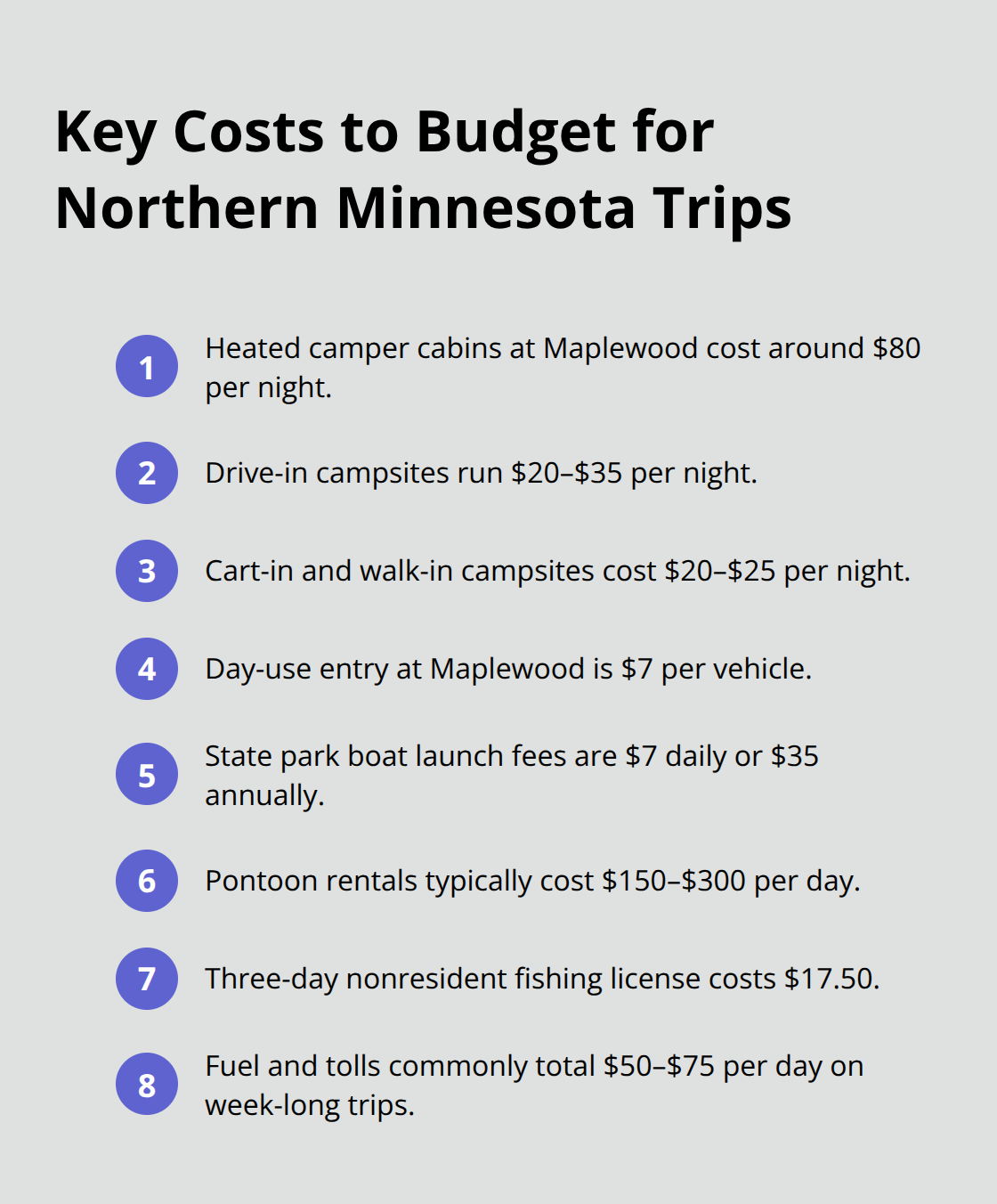
Winter from November through March transforms the lakes into a different destination entirely. Cross-country skiing, snowmobiling, and ice fishing become viable activities, with Maplewood State Park offering groomed ski trails and 21 miles of snowmobile trails. Heated camper cabins at Maplewood cost around $80 per night, making winter trips surprisingly affordable. Winter appeals to specific enthusiasts willing to embrace cold-weather sports rather than casual visitors seeking traditional lake activities.
Spring and Shoulder Considerations
Spring from April through May brings wildflowers and fewer tourists, though water temperatures remain cold for swimming. Your timing decision depends on what activities matter most to you. If you’re committed to water sports and maximum activity variety, summer works despite the crowds and premium pricing. If you want genuine exploration without fighting other visitors, visit in September or early October when the weather remains pleasant and accommodation costs drop significantly.
Booking Your Dates and Next Steps
Checking Explore Minnesota’s seasonal events calendar helps you align your visit with specific festivals or activities, and their current conditions pages provide real-time information on fall colors and winter snow before you commit to dates. Vacation rental platforms handle the logistics of booking, though shoulder season properties book faster despite lower rates. With your ideal season identified, the next step involves selecting the right accommodation type and understanding what lodging options actually fit your travel style and budget.
Must-Do Activities and Attractions in Northern Minnesota
Water Activities That Deliver Real Value
Minnesota’s lakes region attracts 30 million annual visitors for legitimate reasons, but most travelers waste time on generic activities instead of focusing on what actually matters. Water activities dominate the region’s appeal, and fishing ranks among the most practical pursuits. The lakes support walleye, northern pike, and panfish populations that attract serious anglers year-round. Maplewood State Park’s Bass Lake and Grass Lake offer reliable panfish opportunities, while the fishing pier at Beers Lake provides accessible shore fishing without requiring a boat.
Fair Hills Resort in Detroit Lakes provides direct Pelican Lake access through the 40-passenger Big Pelican Boat for guided cruises, plus pontoon rentals for self-directed exploration. Wakeboarding and waterskiing appeal to visitors willing to try water sports beyond traditional fishing. Pontoon rentals typically cost $150–$300 daily, making group trips more economical than solo outings. These options let you match water activities to your skill level and budget.
Hiking Trails Worth Your Time
Hiking trails saturate the region, but most visitors miss the genuinely worthwhile options. Maplewood State Park spans over 9,000 acres with 25 miles of trails through hardwood forests containing basswood, sugar maple, elm, and oak that display vibrant fall colors. The 1.3-mile Hallaway Hill hike delivers an overlook with legitimate sunset potential, and AllTrails reviews consistently praise it as beautiful without requiring advanced fitness levels. Plan 45 minutes to an hour for the round trip at moderate difficulty.
Winter cross-country skiing on Maplewood’s groomed trails costs only the $7 day-use fee, making it far cheaper than downhill resorts. The trails transform the landscape into a winter playground for skiers seeking affordable cold-weather exploration. This seasonal shift opens entirely different hiking and skiing experiences depending on when you visit.
Local Dining and Cultural Stops
Local dining separates authentic travel from tourist trap experiences. Mi Cartagena Cafe in Detroit Lakes serves Colombian coffee with signature drinks like Kerlis Love and Cartagena Palmer that outperform generic coffee shop offerings. Hub 41 near City Beach provides shareable-menu casual dining for lakeside breaks without pretension. These establishments reflect the region’s character rather than chain restaurant uniformity.
The Legacy of the Lakes Museum showcases Minnesota lake heritage through vintage boats and exhibits connected to James Bond’s Live and Let Die corkscrew boat and Ralph Samuelson, who invented waterskiing in the summer of 1922. Thomas Dambo’s Alexa’s Elixir Trolls in Detroit Lakes, which debuted in 2024, features five trolls including the 36-foot-tall Long Leif and 800 birdhouses across the installation. This nature-and-imagination scavenger experience blends outdoor exploration with interactive discovery clues. These cultural stops add genuine depth beyond typical beach days and restaurant meals.
Matching Activities to Your Travel Style
Serious travelers prioritize activities matching their actual interests rather than checking boxes on generic lakes-region lists. Seasonal timing directly impacts which pursuits remain viable during your visit-summer enables water sports and festivals, fall supports hiking and photography, and winter activates cross-country skiing and ice fishing. Your accommodation choice shapes which activities you can access most conveniently, making lodging selection the next critical decision for your trip.
Where to Stay and How to Get Around
Choosing Your Lodging Type
Lodging decisions shape your entire lakes-area experience, and most travelers choose wrong by defaulting to generic chain hotels or overpriced resorts. The region offers resorts, lodges, hotels, cabins, vacation rentals, and campgrounds, but each serves different travel styles and budgets. Fair Hills Resort in Detroit Lakes operates all-inclusive packages with three meals daily, heated pool, hot tub, and direct Pelican Lake access, making it sensible for families seeking convenience without constant decision-making. Maplewood State Park offers campground sites starting at $20–$35 nightly for drive-in campsites, plus cart-in and walk-in campsites at $20–$25 per night.
Vacation rentals provide the most flexibility for groups or extended stays, with full kitchens that eliminate restaurant costs accumulating quickly over multi-day trips. Up North Property Management manages exclusive vacation rental properties throughout Northern Minnesota, handling marketing, bookings, cleaning, and maintenance so your rental arrives fully equipped without the management headaches. Your accommodation choice determines which activities feel convenient versus burdensome-staying near Pelican Lake puts water activities minutes away, while inland cabin locations work better for hikers prioritizing trail access over water sports.
Location and Accessibility
Transportation logistics matter far more than most visitors realize. Maplewood State Park sits roughly 3.5 hours northwest of Minneapolis–Saint Paul International Airport, making it accessible for weekend trips without expensive connections. The park entrance sits off State Highway 108 about seven miles from Pelican Rapids, and Larry’s Super Market nearby provides picnic supplies that eliminate overpriced resort food markups. Detroit Lakes lies within an hour of Maplewood, connecting multiple lakes-area destinations through reasonable driving distances.
Cook County’s North Shore communities like Grand Marais and Lutsen cluster within 20–30 minutes of each other, allowing you to establish one base camp rather than moving accommodations daily. Day-use entry at Maplewood costs $7, and park hours run 8 a.m. to 10 p.m. daily. Pontoon rentals typically cost $150–$300 daily depending on size and season, making group trips more economical than solo outings.
Budgeting Your Trip Expenses
Shoulder-season rates drop 20–30% compared to summer pricing, making September through early October the financially intelligent choice for budget-conscious travelers. Food costs vary dramatically based on your lodging type-cabin rentals with kitchens reduce spending to $30–$50 daily per person for groceries, while resort dining pushes costs to $75–$150 daily per person.
Fishing licenses cost $17.50 for a three-day nonresident license through Minnesota Department of Natural Resources, and boat launch fees at state parks cost $7 daily or $35 for annual permits.
Most travelers underestimate accommodation as their largest expense, yet choosing shoulder-season rentals over peak-season resorts saves $500–$1,200 for week-long family trips. Fuel and tolls typically run $50–$75 daily for most regional driving needs during week-long trips. Serious budget planning starts with fixing your accommodation cost, then building activities around what remains in your travel budget rather than booking attractions first and hoping lodging costs cooperate.
Final Thoughts
Minnesota’s lakes region rewards travelers who plan strategically rather than defaulting to summer crowds and inflated prices. Visiting during fall shoulder season cuts accommodation costs by 20–30% while delivering superior hiking weather and genuine exploration without fighting other visitors. Water activities, hiking trails, and local dining experiences become far more enjoyable when you avoid peak-season congestion.
Your accommodation choice determines whether your trip feels convenient or frustrating. Vacation rentals with full kitchens reduce food expenses dramatically compared to resort dining, and properties near specific activities eliminate wasted driving time. Up North Property Management manages exclusive vacation rental properties throughout Northern Minnesota, handling all logistics so your rental arrives fully equipped without management headaches.
Minnesota travel guides online through Explore Minnesota provide free resources including seasonal events calendars, current conditions reports, and regional brochures that streamline planning. Contact their travel counselors at 1-888-VISITMN for personalized assistance, or download their digital itinerary guides to structure your trip around specific interests. Start your planning by selecting your ideal season based on which activities matter most to you, fix your accommodation budget next, then build activities around what remains in your travel funds.