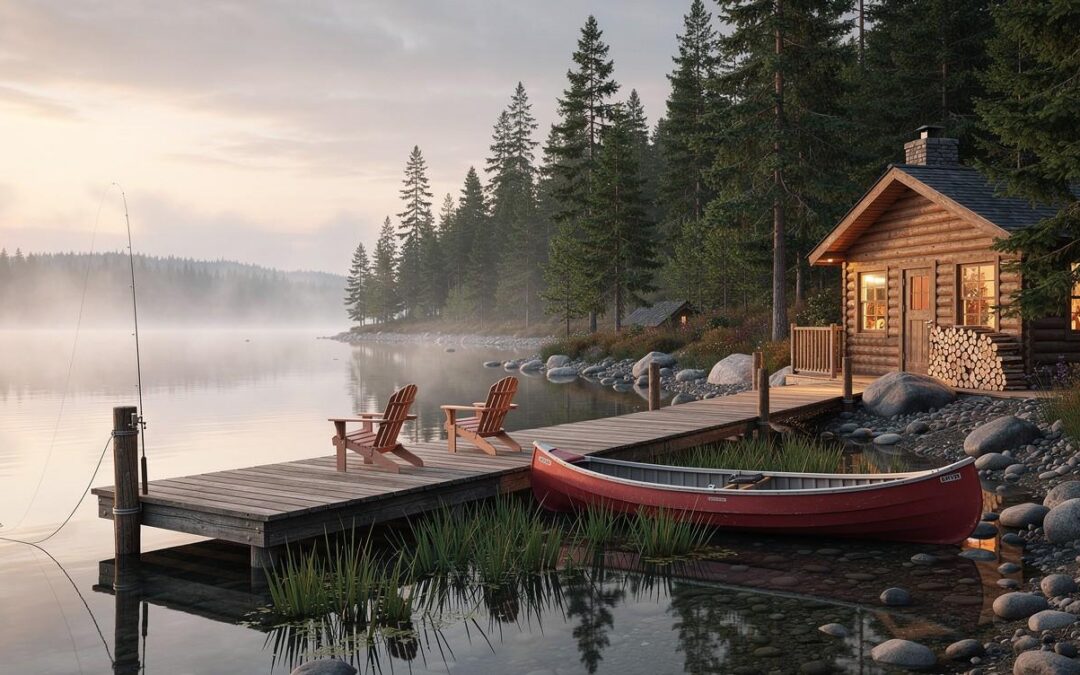
Northern Minnesota cabin life isn’t just a vacation-it’s a lifestyle choice that more people are making every year. We at Up North Property Management have watched this trend grow as families and investors discover the real value of owning a lakeside retreat in this region.
Whether you’re seeking a peaceful getaway, a rental investment, or a permanent escape from city living, northern Minnesota cabins offer something genuinely special. This guide walks you through everything you need to know.
What Makes Northern Minnesota Cabins Worth the Investment
Northern Minnesota’s lakeside cabins sit in one of the most geographically blessed regions in the country. The area boasts over 10,000 lakes, with many offering direct cabin access and unobstructed water views that command premium prices. Fall color peaks between late September and early October, drawing visitors specifically to experience the region’s natural transformation. Summer temperatures hover in the low 70s Fahrenheit, making it genuinely cooler than most of the Midwest without air conditioning strain. Winter brings reliable snow for cross-country skiing on trails like Pincushion Mountain near Grand Marais, which offers some of Minnesota’s best winter recreation. The Superior Hiking Trail stretches nearly 300 miles along Lake Superior, providing endless day-hiking options without leaving your backyard.
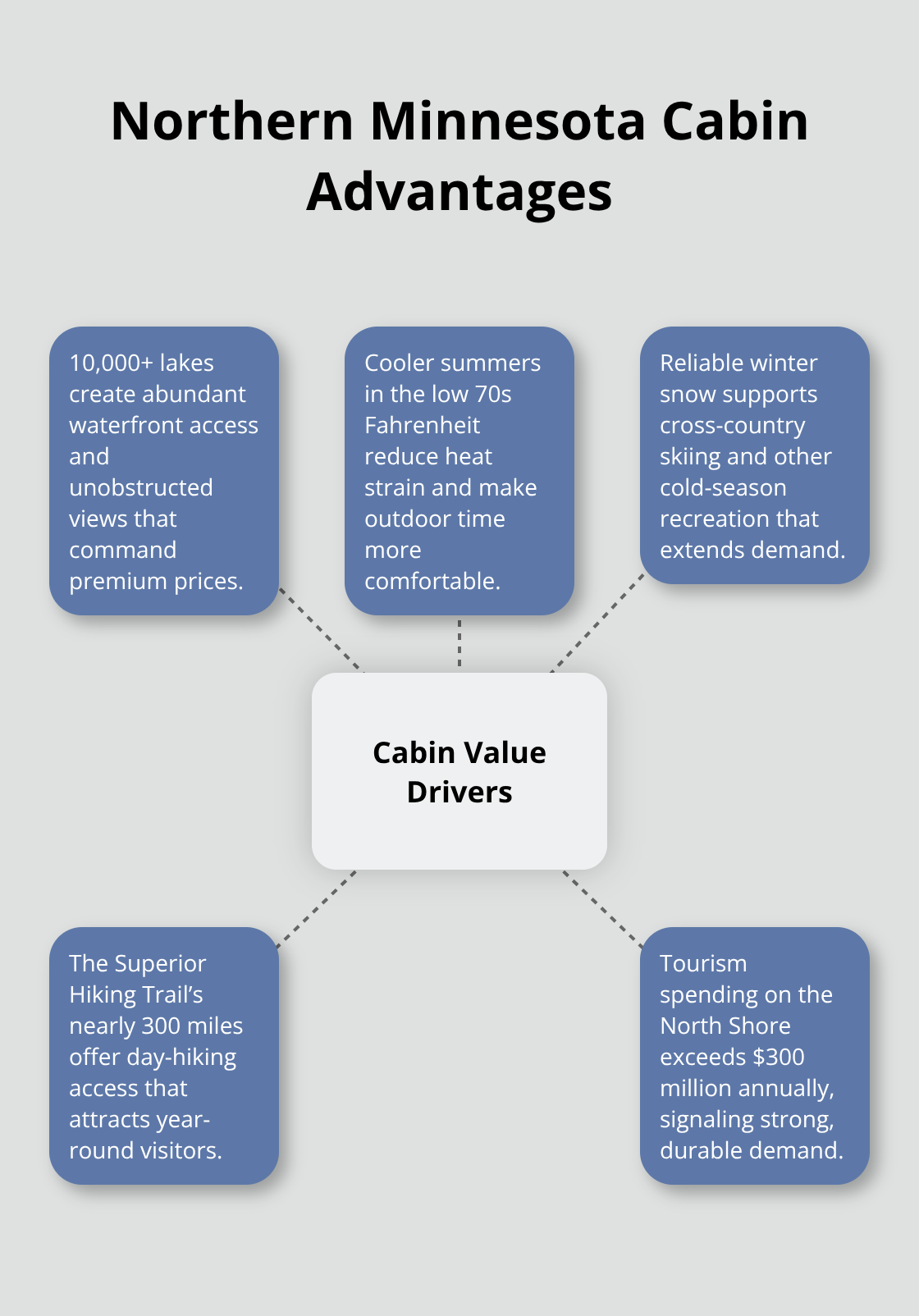
The Minnesota Department of Natural Resources reports that tourism spending in the North Shore area exceeds 300 million dollars annually, reflecting real demand from people willing to travel specifically for what these cabins offer.
The Quiet You Actually Need
Urban stress reduction ranks as the top reason cabin owners cite for their purchase, according to property managers across the region. Northern Minnesota’s population density sits at roughly 10 people per square mile in many lake areas, compared to Minneapolis-St. Paul’s 1,000 per square mile. This translates to actual silence-no highway noise, no neighbor arguments through shared walls, no constant sirens. The dark skies in areas like the Gunflint Trail create an environment that people cannot replicate in populated areas. Cabin owners report that even short weekends in this environment measurably reduce stress markers and improve sleep quality.
Recreation Within Reach
Owning a cabin means you have immediate access to activities that most people plan expensive vacations around. High Falls in Grand Portage ranks as one of Minnesota’s largest waterfalls and sits just minutes from many cabin properties via a short paved path. The Boundary Waters Canoe Area Wilderness starts from Grand Marais, offering quintessential paddling adventures that require advance permit planning but deliver incomparable solitude. Temperance River Gorge features dramatic waterfalls accessible through a network of well-maintained trails with stairs and bridges. Split Rock Lighthouse State Park provides both iconic summer tours and extensive trail systems for year-round exploration. Bean and Bear Overlook delivers a moderate six to seven mile hike with overlooks of multiple lakes and proximity to local coffee shops.
Turning Your Cabin Into Income
Many cabin owners view their properties as more than personal retreats-they generate substantial rental income during months they don’t use the space. Vacation rental demand in Northern Minnesota remains strong, with visitors willing to pay premium rates for lakeside access and proximity to outdoor recreation. Professional property management services handle the operational complexity (marketing, guest screening, cleaning, maintenance) that makes rental ownership feasible for busy owners. This income potential transforms a cabin from a pure expense into an asset that pays for itself while you still enjoy personal use during peak seasons.
Building a Cabin That Actually Works for You
A cabin without the right setup becomes more frustration than refuge. We’ve watched owners make expensive mistakes by prioritizing aesthetics over functionality, then spending their first season scrambling to fix basic problems. The difference between a cabin you love visiting and one you avoid comes down to practical decisions made before you ever spend a night there. Lutsen Sea Villas demonstrates what works: their lakeside units include full kitchens, wood-burning stoves, and on-site amenities like pools and saunas that guests specifically seek out. This isn’t luxury for luxury’s sake-it’s recognizing that people traveling to Northern Minnesota want comfort without sacrificing the cabin experience.
The Non-Negotiable Fundamentals
You need reliable hot water and adequate heating, quality mattresses, and a kitchen functional enough that you’re not eating takeout every meal. Cell service is spotty in many areas, so WiFi becomes essential if you’re working remotely or have guests who need connectivity. Power outages happen during winter storms, which means backup heating and a generator aren’t optional. Start with these fundamentals before considering granite countertops or designer lighting.
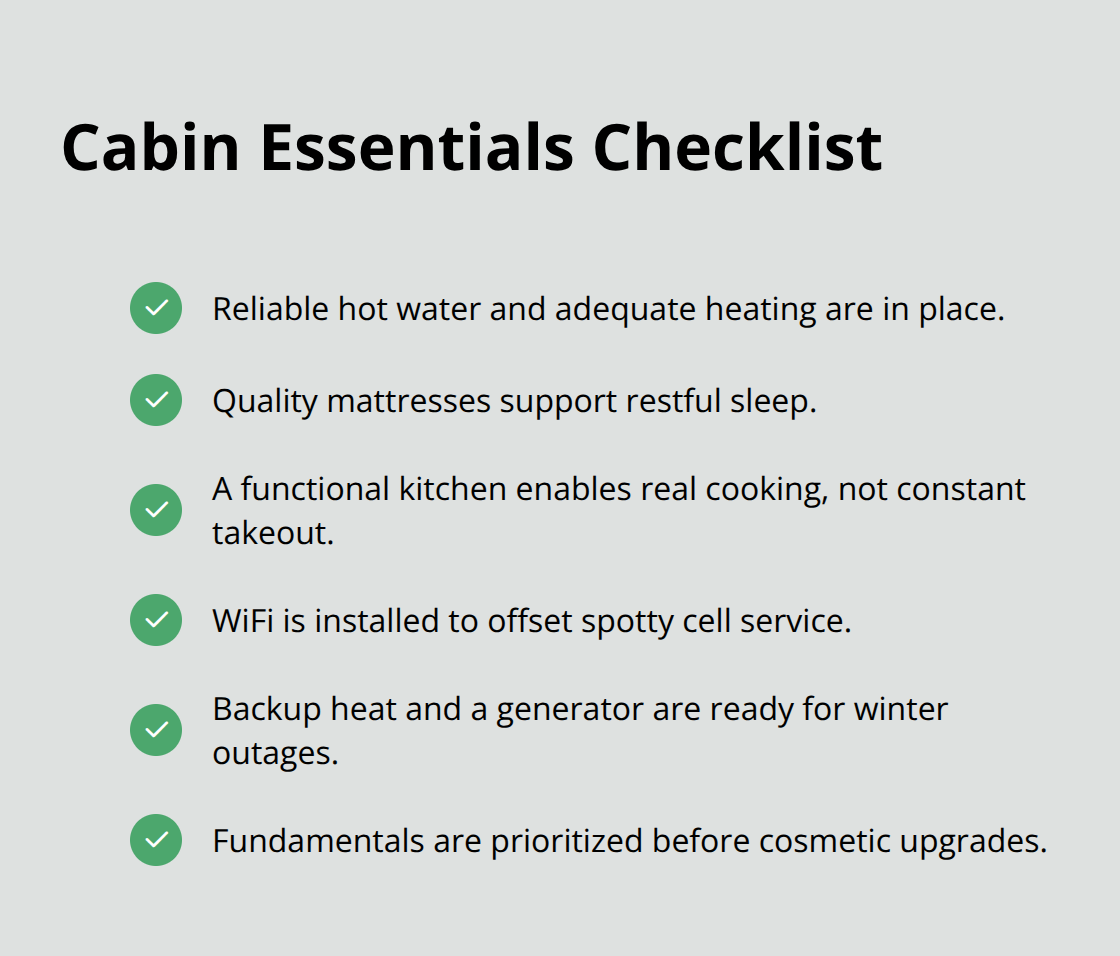
These systems determine whether your cabin functions or fails when you actually need it.
Layout That Brings People Together
The cabin’s layout matters more than most owners realize. You want gathering spaces that naturally bring people together-a kitchen that opens to the living area, a porch or deck where people naturally congregate, and outdoor seating with water views. Separate bedroom spaces prevent cabin fatigue during extended stays, and a second bathroom isn’t a luxury when you have guests. This physical arrangement shapes how people experience your cabin and whether they want to return.
Location Relative to Local Attractions
Local activities drive cabin usage patterns. Proximity to Angry Trout on the Grand Marais waterfront, Cedar Coffee Co in Two Harbors, or trailheads like Pincushion Mountain determines whether people actually leave the cabin or stay glued to it. Building genuine community happens through these everyday interactions at local spots, not through forced cabin activities. If you’re considering rental income, properties within 15 minutes of multiple recreation options consistently outperform isolated cabins. Owners who understand their local area-which restaurants have reasonable wait times, which trails work best in different seasons, which shops are worth visiting-can guide guests toward authentic experiences that generate positive reviews and repeat bookings. This local knowledge transforms a cabin into a destination people actively seek out, setting the stage for the income potential that makes cabin ownership financially sustainable.
Turning Rental Income Into Your Cabin’s Primary Purpose
A Northern Minnesota cabin produces genuine income when you manage it correctly, but most owner-operators fail because they treat rental management as a side task rather than a business operation. We at Up North Property Management have observed cabins with premium lakeside locations produce disappointing returns simply because owners underprice their properties, fail to maintain consistent quality, or cannot manage the operational demands of guest turnover. The average occupancy rate for vacation rentals in Minnesota varies by location and management approach, translating to real money when properties are positioned effectively. A cabin renting at $200 per night for 200 nights annually generates $40,000 in gross revenue before expenses.
Pricing Strategy Determines Your Profit
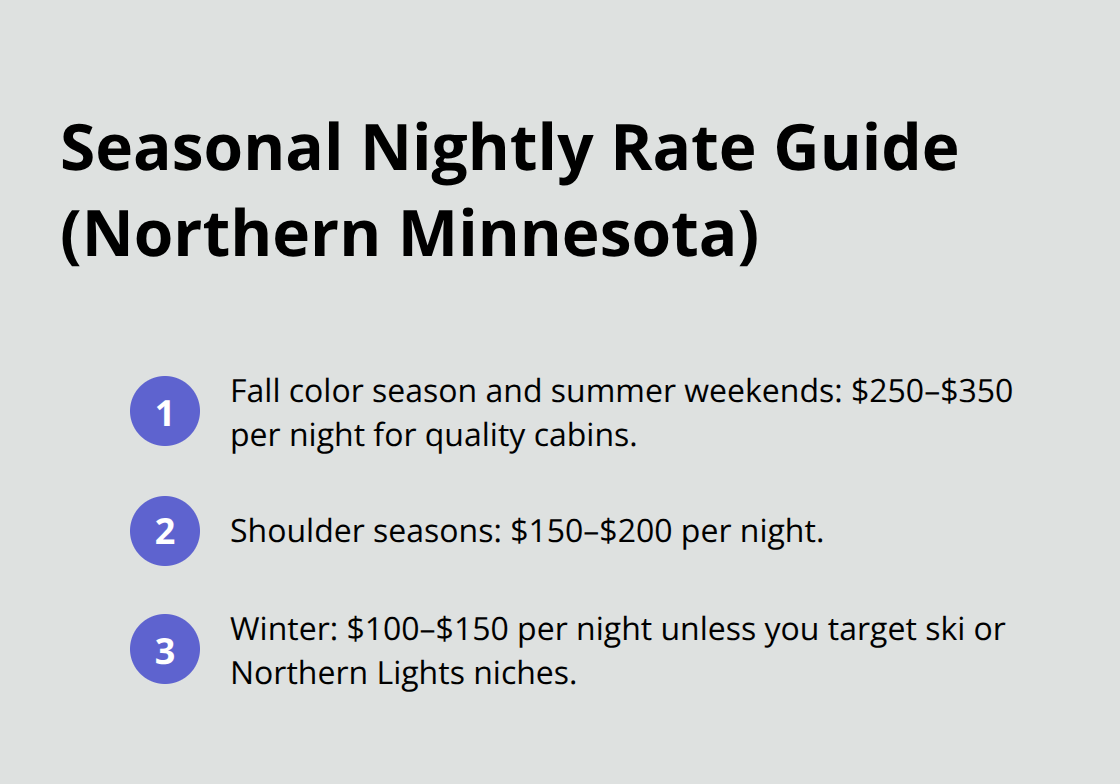
The math works when you handle three critical components correctly: price your property competitively within your specific location and season, maintain standards that justify your rates, and market effectively to reach the right guests. Properties with strong positioning achieve better occupancy because guests value proximity to Angry Trout, Cedar Coffee Co, trailheads, and other local attractions. Seasonal pricing matters enormously-fall color season and summer weekends justify $250 to $350 per night for quality cabins, while shoulder seasons support $150 to $200, and winter months drop to $100 to $150 unless you specifically market to cross-country skiing enthusiasts or Northern Lights viewers. The difference between a cabin that barely covers mortgage and property taxes versus one that produces meaningful profit comes down to understanding your market position and pricing accordingly.
Professional Management Eliminates Operational Chaos
Professional property management eliminates the operational chaos that derails owner-operators. You must handle marketing, guest screening, check-in coordination, cleaning turnover, and maintenance responsiveness through systems, not goodwill. When guests arrive to dirty cabins, broken appliances, or unresponsive owners, they leave negative reviews that destroy future bookings and force price reductions to fill inventory. Up North Property Management handles these operational requirements with aggressive marketing and concierge services that keep properties booked and guests satisfied, allowing homeowners to receive hassle-free income without managing the daily details.
The Hidden Cost of Self-Management
You can attempt this yourself, but the labor cost typically exceeds what you save in management fees, and your personal time becomes the hidden expense that makes the math fail. Properties managed professionally consistently achieve higher occupancy rates and better average nightly rates compared to owner-managed cabins in the same area (professional operators understand pricing strategy, maintain quality standards, and respond immediately to guest needs). This performance gap reflects the reality that vacation rental management requires expertise and systems that most cabin owners simply do not possess. The operational burden of managing guest communication, coordinating cleaners, handling maintenance emergencies, and adjusting pricing based on demand patterns consumes far more time than owners anticipate when they first consider self-management.
Final Thoughts
Northern Minnesota cabin life delivers measurable returns that extend far beyond financial gains. You acquire access to over 10,000 lakes, year-round recreation from the Superior Hiking Trail to Pincushion Mountain’s winter skiing, and genuine peace that urban living cannot provide. The region’s tourism spending exceeds 300 million dollars annually because people recognize this value and travel specifically to experience it.
Starting your cabin ownership journey requires honest assessment of your goals-are you seeking personal refuge during weekends and vacations, or do you want rental income to offset ownership costs? Properties within 15 minutes of attractions like Angry Trout, Cedar Coffee Co, and established trailheads perform better financially and personally because they naturally integrate into the local community. Fall color season between late September and early October, summer’s low 70s temperatures, and winter’s reliable snow create distinct seasonal opportunities that drive both personal enjoyment and rental demand.
Professional management through Up North Property Management handles marketing, guest screening, cleaning coordination, and maintenance responsiveness with systems designed specifically for Northern Minnesota properties. This approach eliminates the hidden labor costs and operational chaos that derail owner-operators while consistently achieving higher occupancy rates and better nightly rates. Your cabin transforms into a genuine income-producing asset rather than a time-consuming side project.