

Minnesota vacation rental owners are facing a fundamentally different market than they did just two years ago. Guest preferences have shifted dramatically, and the Minnesota tourism trends reflect this change clearly.
At Up North Property Management, we’ve watched these shifts unfold across hundreds of properties. The owners who adapt quickly will capture the most bookings and highest rates this year.
What Minnesota Guests Actually Want Right Now
Work-From-Home Features Now Drive Booking Decisions
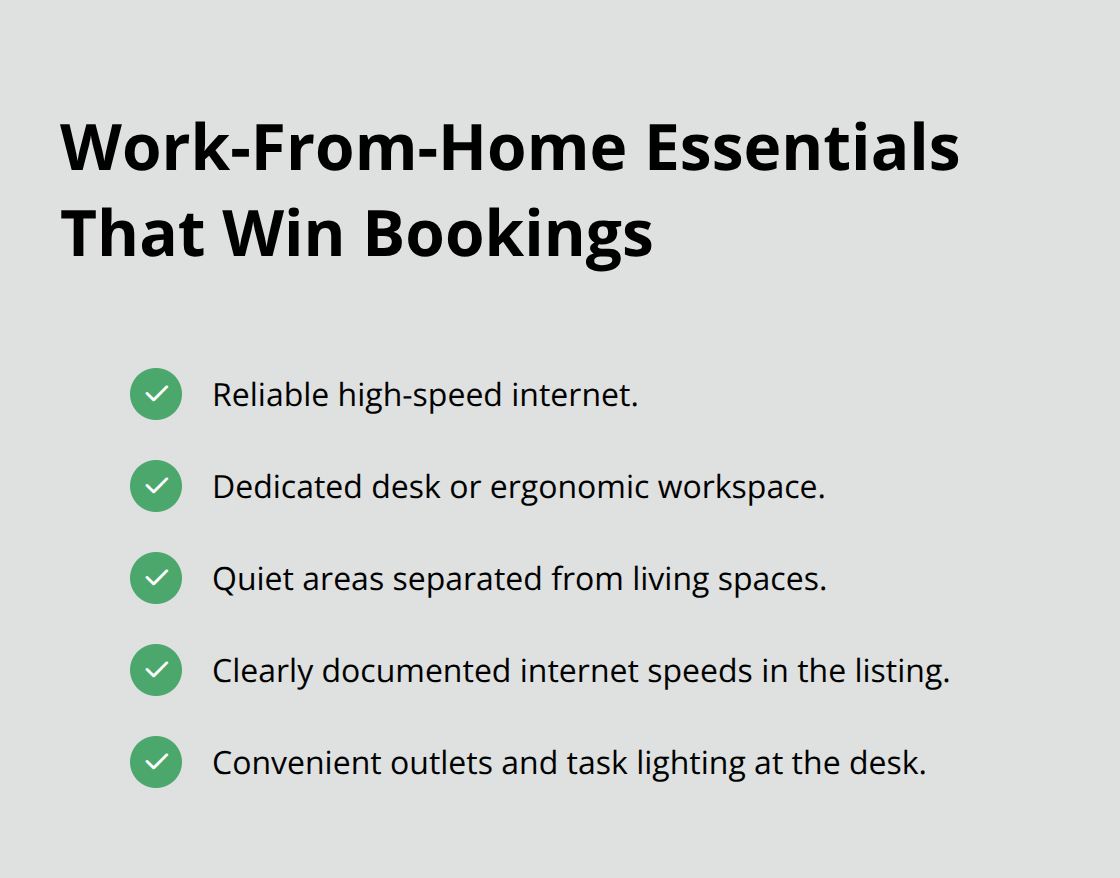
Minnesota vacation rental guests have moved beyond the traditional summer-lake-house experience. Work-from-home flexibility has become table stakes for many bookings. Guests staying five to seven days expect reliable high-speed internet, a dedicated desk or workspace, and quiet areas separate from common living spaces. This isn’t a nice-to-have anymore-it’s a primary filter guests use when searching.
Explore Minnesota’s travel research shows that shoulder seasons and winter months extend booking windows as remote workers escape to cabins and lakefront properties for extended stays. Properties without functional workspace and solid internet connectivity lose bookings to those that offer both. The North Shore region-Duluth, Two Harbors, and Grand Marais-shows strong winter performance, but this data masks a critical detail: properties with documented work-friendly features capture bookings across traditionally slow weeks when generic cabins sit empty.
Lakefront Properties Command Premium Rates
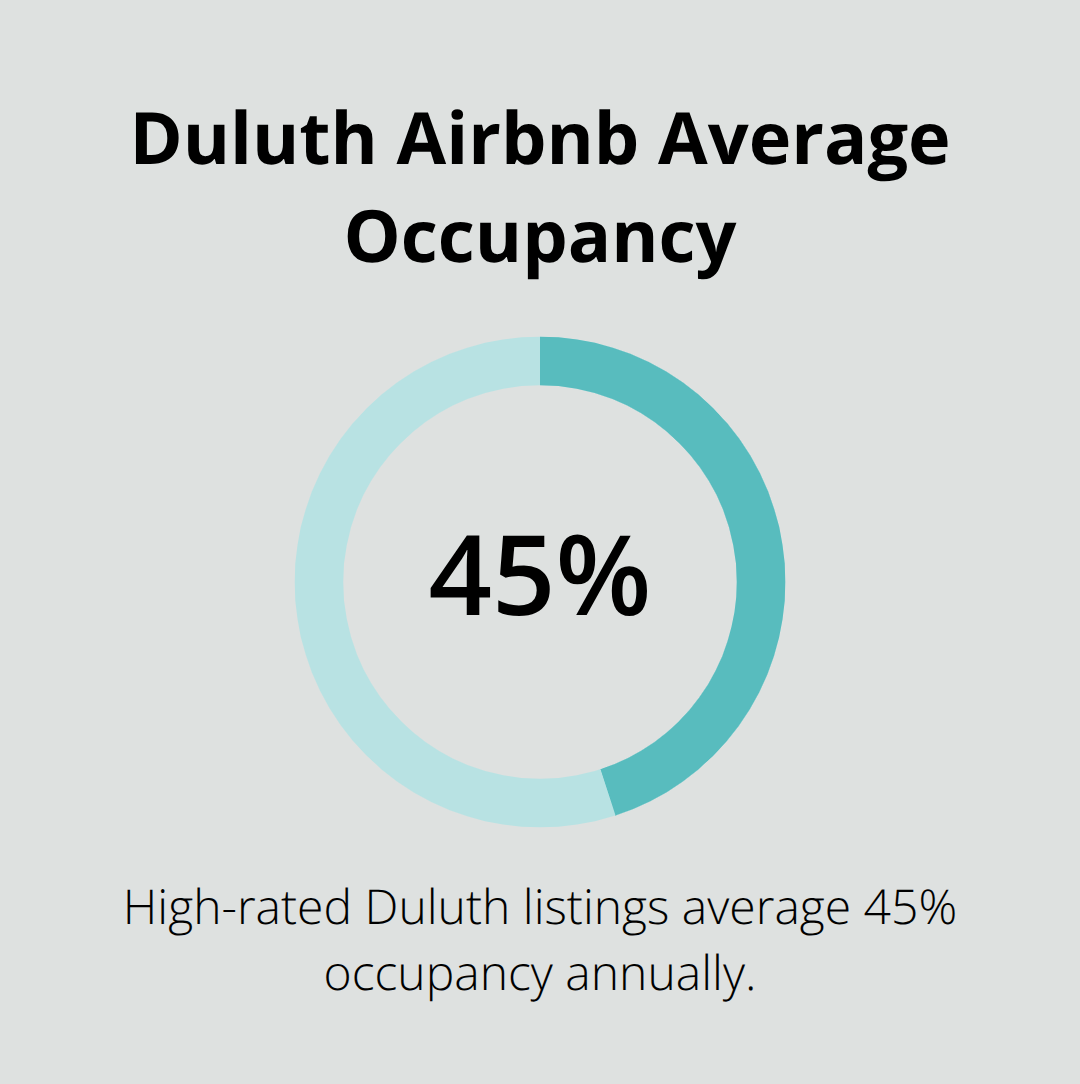
Lakefront properties command premium pricing because guests explicitly seek them out, and the data backs this up. Duluth’s 226 high-rated Airbnb listings generate an average of $58,065 annually with 45 percent occupancy, while Two Harbors properties average $54,902 with similar occupancy. These aren’t coincidences-guests pay more for direct lake access and outdoor recreation.
Hot tubs, fire pits, and screened porches aren’t luxuries that differentiate properties; they correlate directly with booking frequency and nightly rates. Properties in the North Shore cluster emphasize outdoor experiences and functional amenities tied to nature access. The shift toward experience-driven stays means updating your listing photos to show these features in actual use, not as static shots.
Winter Demand Transforms Seasonal Properties
Winter demand is climbing as guests seek properties suited for snowshoeing, cross-country skiing, and cozy indoor gatherings. Fireplace functionality and heated outdoor soaking spaces become genuine revenue drivers rather than optional upgrades. Properties that position themselves for winter activities (not just summer relaxation) capture bookings during months when many owners assume their rentals will sit vacant.
This transformation in what guests want means your property’s competitive advantage depends on matching these specific expectations. The owners who update their properties and marketing to reflect these shifts will capture the most bookings and highest rates this year.
When Minnesota Vacation Rentals Actually Book
Peak Season No Longer Defines Your Calendar
Minnesota’s booking calendar has shifted away from summer-only demand. Explore Minnesota’s travel research confirms that shoulder seasons and winter months now generate consistent occupancy across the state, fundamentally changing how property owners should price and market their rentals. Properties positioned for winter activities and extended remote work stays capture bookings during months that traditionally sat empty.
The North Shore region benefits from Grandma’s Marathon in Duluth, the North Shore Inline Marathon in Two Harbors, and the Grand Marais Art Festival, but these events function as anchors rather than the primary revenue drivers. The real income comes from guests booking five to seven day stays outside peak season when nightly rates drop less sharply than owners expect. Properties with documented work-friendly features and winter amenities command rates that barely decline from peak season because guest demand genuinely extends across the calendar.
Mid-Week Bookings Replace Weekend-Only Patterns
Your pricing model must account for consistent mid-week demand rather than treating weekdays as filler bookings you price down to fill. Remote workers and families coordinating extended stays now book Tuesday through Thursday with the same frequency they book weekends. This shift eliminates the traditional valley between Friday and the next Friday that plagued property owners for years.
Properties that market toward extended stays-emphasizing reliable internet, dedicated workspace, and quiet areas-capture these mid-week bookings at rates comparable to peak weekend pricing. The tactical advantage belongs to owners who stop discounting weekdays and instead optimize pricing for the consistent demand that now fills your calendar throughout the year.
Group Travel Drives Higher Revenue Per Booking
Group travel and multi-family stays have become standard booking patterns rather than occasional windfalls. Larger properties with three or more bedrooms now attract families coordinating vacations together, which creates higher total revenue per booking despite potentially lower per-bedroom rates. Two Harbors shows 154 percent year-over-year growth in Airbnb listings, while Duluth grew 105 percent and Rochester 102 percent, indicating intense competition where differentiation matters more than ever.
Properties that market toward group gatherings-emphasizing common spaces, kitchen capacity, entertainment amenities, and proximity to group-friendly activities-capture these higher-value bookings. Hot tubs, fire pits, and large dining areas directly influence whether a family books your property or your competitor’s when three generations plan a week together. The owners who optimize for multi-family bookings rather than single-occupancy pricing will capture the most revenue from this shift in how guests travel.
How to Position Your Property for Today’s Minnesota Market
Lead with Work-From-Home Features in Your Listing
Your marketing materials must shift from highlighting aesthetic appeal to emphasizing functional features that directly influence booking decisions. Work-from-home capabilities should appear in your listing title, primary description, and photo gallery before guests see anything else. Duluth properties succeed because they explicitly market desk space, internet speed, and quiet zones rather than burying these features in secondary details.
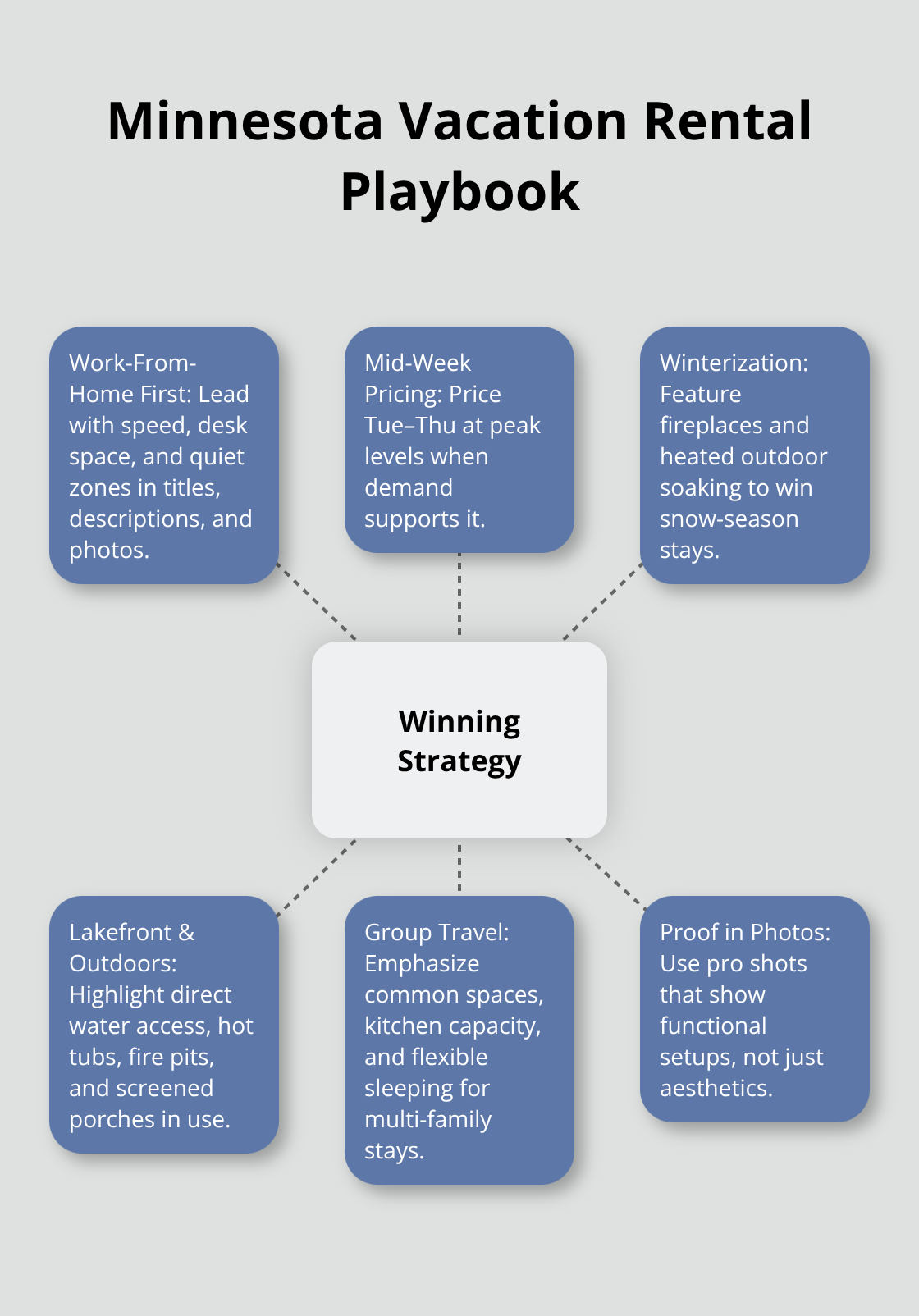
Test your current listing by searching for Minnesota vacation rentals with your target guest profile in mind. If work-from-home features don’t appear in your first three listing photos, you’re losing bookings to competitors who lead with workspace. Invest in professional photography that shows actual desk setups, internet router placement, and quiet work areas in use, not staged shots of empty rooms. Virtual tours matter less than specific detail shots that prove your property delivers on the functional promises your listing makes.
Include your internet speed in the listing description-guests researching properties compare this metric directly, and properties advertising 100+ Mbps capture bookings that generic descriptions lose to competitors with documented speeds. Guests booking five to seven day stays during shoulder seasons make decisions based on whether your property genuinely supports remote work, not whether it photographs well.
Price Mid-Week Bookings at Peak-Season Rates
Pricing strategy must abandon the assumption that mid-week rates should undercut weekend rates. North Shore properties show consistent occupancy across all days because remote workers and multi-family groups book Tuesday through Thursday at peak-season rates. Pull your historical booking data and identify which days actually fill versus which days you’ve been discounting unnecessarily.
Properties in Two Harbors with documented work-friendly features maintain nightly rates within 10-15 percent of peak weekend pricing during traditionally slow weeks because guest demand genuinely exists at those price points. Adjust your minimum stay requirements downward for mid-week bookings-three or four nights mid-week often generates higher total revenue than holding out for weekend-only bookings that never materialize.
Optimize for Group Travel and Multi-Family Stays
Group travel bookings command premium rates because families coordinating three-generation vacations need larger properties and accept higher nightly costs for kitchen capacity and common gathering spaces. Calculate your revenue potential by property size: a three-bedroom property attracting one eight-person group booking monthly generates substantially more revenue than maximizing single-occupancy bookings, even at lower per-night rates.
Properties that market toward group gatherings emphasize common spaces, kitchen capacity, entertainment amenities, and proximity to group-friendly activities. Hot tubs, fire pits, and large dining areas directly influence whether a family books your property or your competitor’s when three generations plan a week together. Stop pricing based on generic market comparisons and instead price based on what your specific property attracts-lakefront properties with functional hot tubs, work-friendly features, and group-suitable layouts command rates that generic comparable properties never reach.
Final Thoughts
Minnesota vacation rental demand has shifted fundamentally, and property owners who adapt their strategies will capture the most bookings this year. Work-from-home features, lakefront positioning, and winter amenities now drive booking decisions, while Minnesota tourism trends confirm that shoulder seasons and mid-week stays generate consistent occupancy across the state. Properties that lead with internet speed, dedicated workspace, and outdoor amenities attract bookings that generic listings lose to competitors who understand what guests actually want.
The competitive advantage belongs to owners who price mid-week bookings at peak-season rates, invest in professional photography showcasing functional features, and optimize listings for group travel and multi-family stays. Two Harbors properties grew 154 percent year-over-year, Duluth grew 105 percent, and Rochester grew 102 percent-indicating intense competition where differentiation determines success. Properties that match their marketing, pricing, and amenities to these shifting guest expectations will generate substantially higher revenue than owners relying on outdated positioning.
If managing these changes feels overwhelming, consider working with a team that handles marketing, bookings, cleaning, and maintenance for you. Up North Property Management specializes in vacation rental management across Northern Minnesota, helping property owners capture these opportunities without the operational burden. The market moves fast-the owners who act now will capture the most bookings and highest rates this year.