
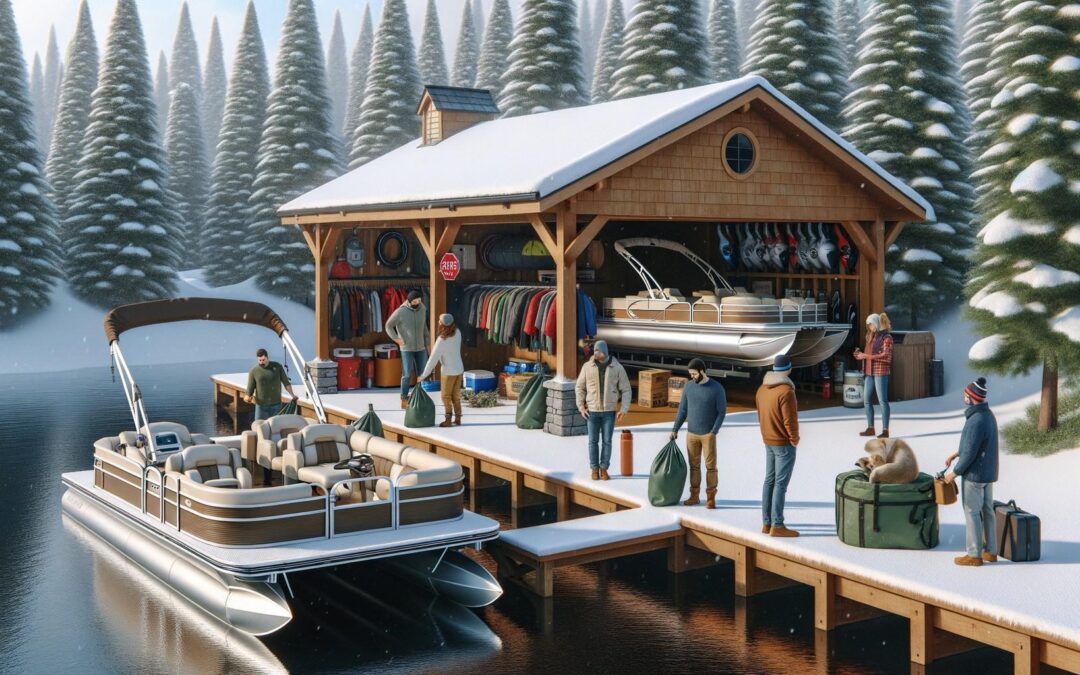
Pontoon storage isn’t something to put off until the first snow hits. Waiting until winter arrives means scrambling for options and risking damage to your boat.
We at Up North Property Management know that cabin owners face real challenges when temperatures drop. The right storage plan protects your investment and keeps your pontoon ready for spring.
Why Winter Storage Protects Your Pontoon Investment
Pontoon damage from winter weather costs cabin owners thousands in repairs. Freeze-thaw cycles crack hulls and corrode pontoons, and destroy engines when water enters systems that weren’t properly drained. The American Boat and Yacht Council reports that unprotected boats stored outdoors face significant structural damage in cold climates, with aluminum pontoon tubes particularly vulnerable to corrosion when exposed to salt, snow, and temperature swings. A pontoon left in the water or stored without winterization develops engine block cracks from frozen coolant, requiring complete engine replacement. Indoor climate-controlled storage prevents these freeze-thaw issues entirely, keeping your boat at stable temperatures where metal won’t expand and contract, seals won’t crack, and water systems stay protected.
Resale Value Drops Without Proper Protection
A well-maintained pontoon holds its value far better than one showing signs of winter neglect. Buyers immediately notice water stains, mold growth, corrosion on pontoon tubes, or engine problems that suggest inadequate winterization. Boats with documented winter storage in climate-controlled facilities command higher prices because buyers know the engine wasn’t stressed by freeze cycles and the hull wasn’t weakened by moisture damage. Your pontoon likely represents one of your largest recreational investments, and proper winter storage costs far less than repairing or replacing a damaged boat.
Storage Costs Versus Repair Expenses
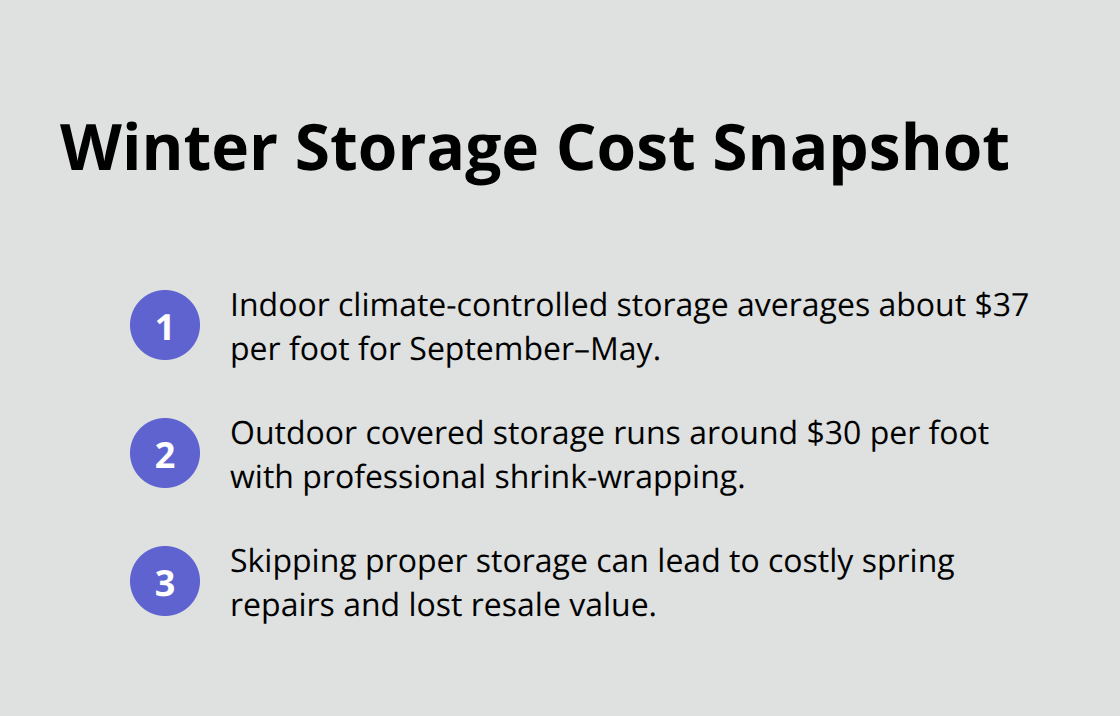
Indoor storage runs approximately $37 per foot of boat length for the nine-month winter season from September through May, while outdoor covered storage costs around $30 per foot. These expenses pale in comparison to engine rebuilds, hull repairs, or losing thousands in resale value when you eventually sell your cabin property. The math is straightforward: spend a few hundred dollars on winter storage or face significant repair bills in spring. Your next decision involves choosing which storage option works best for your situation and budget.
Which Storage Option Fits Your Situation
Indoor climate-controlled storage offers the strongest protection for your pontoon and is worth the investment if your budget allows. These facilities maintain stable temperatures year-round, which eliminates the freeze-thaw cycles that crack engine blocks and corrode aluminum pontoon tubes. This option costs more than outdoor alternatives but prevents thousands in potential repairs. Indoor storage also keeps your boat away from UV exposure, rodents, and moisture accumulation that leads to mold growth on upholstery and vinyl seating. If your cabin sits in a region with harsh winters and significant temperature swings, indoor storage is the practical choice despite higher costs.
Outdoor Covered Storage When Budget Matters
Outdoor covered storage works effectively when you implement proper protection measures. This option requires professional shrink-wrapping, which is essential because DIY shrink-wrap often tears, develops punctures, or fails to seal properly, allowing moisture and pests inside. The shrink-wrap creates an airtight seal that prevents condensation buildup when paired with adequate ventilation underneath. Your cover must shed water effectively, meaning it should slope slightly and include drainage points so snow melt and rain don’t pool on top. After heavy snowfall, brush accumulated snow off the cover to prevent tears from excess weight.
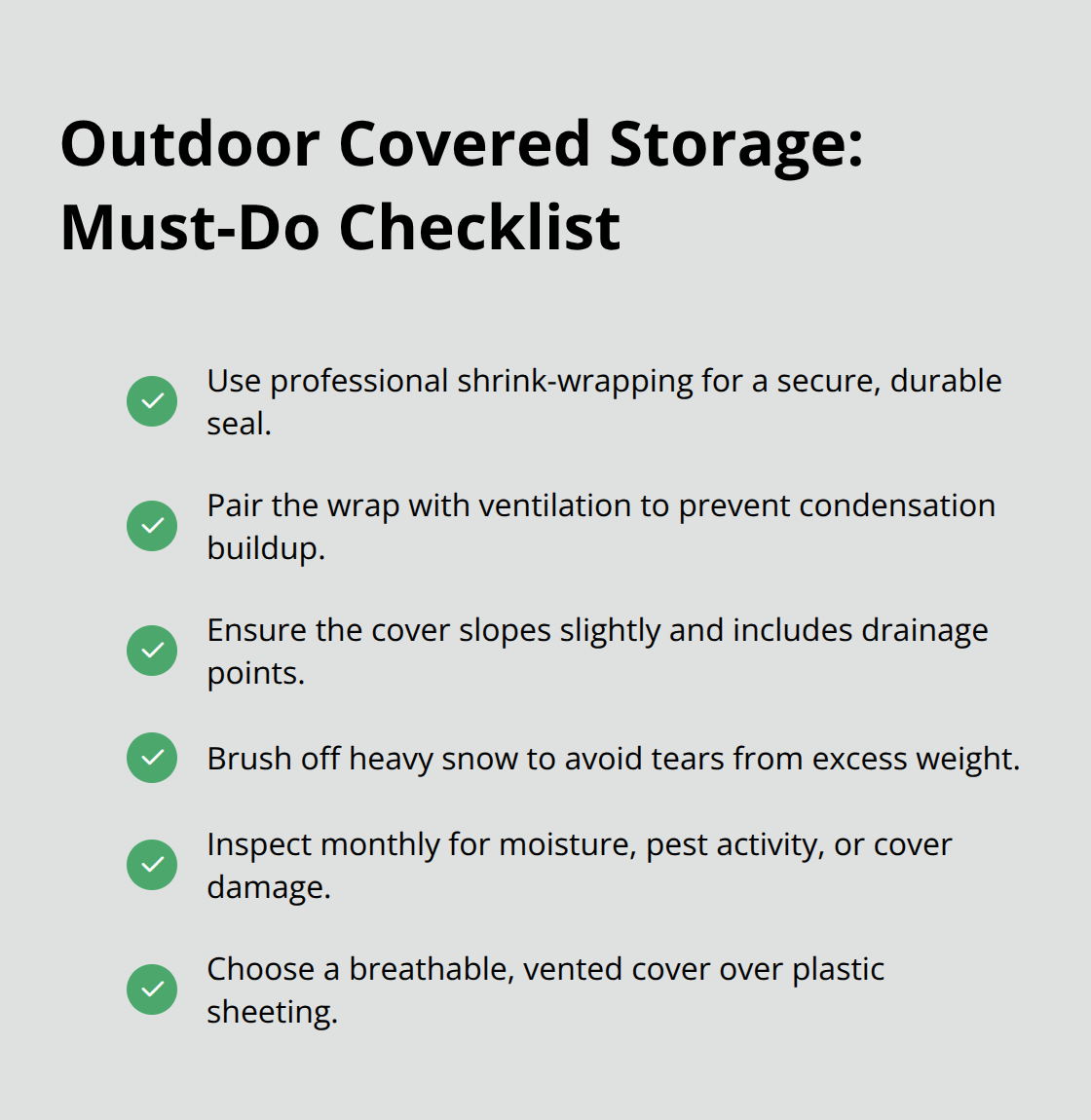
Outdoor storage works well for cabin owners in milder climates or those willing to inspect their boats monthly for moisture, pest activity, or cover damage.
Storing Your Pontoon on Your Property
On-property storage demands serious preparation because your boat sits exposed to the elements without professional oversight. If you choose this route, invest in a high-quality marine-grade cover rather than relying on plastic sheeting that traps moisture underneath. The cover must be breathable and well-fitted to prevent water from pooling during rain or snowmelt. Support your pontoon on a trailer with properly chocked wheels and leveled ground-never directly on the aluminum pontoons themselves, which will corrode when metal contacts earth. Install desiccants or a small dehumidifier inside the cabin to maintain humidity below 60 percent, following EPA guidance for mold prevention. Ventilation remains critical even with a quality cover, so leave intentional air gaps where safe or use covers with built-in vents. You’ll need to check your boat monthly for signs of moisture, mold, or rodent intrusion, which means regular winter visits to your cabin property. On-property storage makes sense only if you have covered shelter space, can maintain consistent inspections, and live close enough to monitor conditions during harsh weather events. Once you’ve selected your storage method, the next step involves preparing your pontoon itself for the months ahead.
Getting Your Pontoon Ready for Winter Storage
Protect Your Engine and Fuel System
Your engine and fuel system require immediate attention because improper preparation here causes the most expensive spring surprises. Fill your fuel tank to within one inch of the filler neck to minimize air space where condensation forms, then add a marine fuel stabilizer and run the engine for five to 10 minutes so the stabilizer circulates through the entire system before shutdown. This step prevents fuel degradation and varnish buildup that clogs carburetors and injectors during months of inactivity.
Next, drain the engine oil completely and replace it with fresh oil, then remove the spark plugs and spray fogging oil directly into the cylinders through the spark plug holes. Install new spark plugs afterward. This process protects cylinder walls from rust and corrosion during storage. Disconnect your battery cables or remove the battery entirely and store it in a heated space with a smart trickle charger to prevent sulfation, which permanently damages batteries left uncharged through winter.
Handle Water Systems Properly
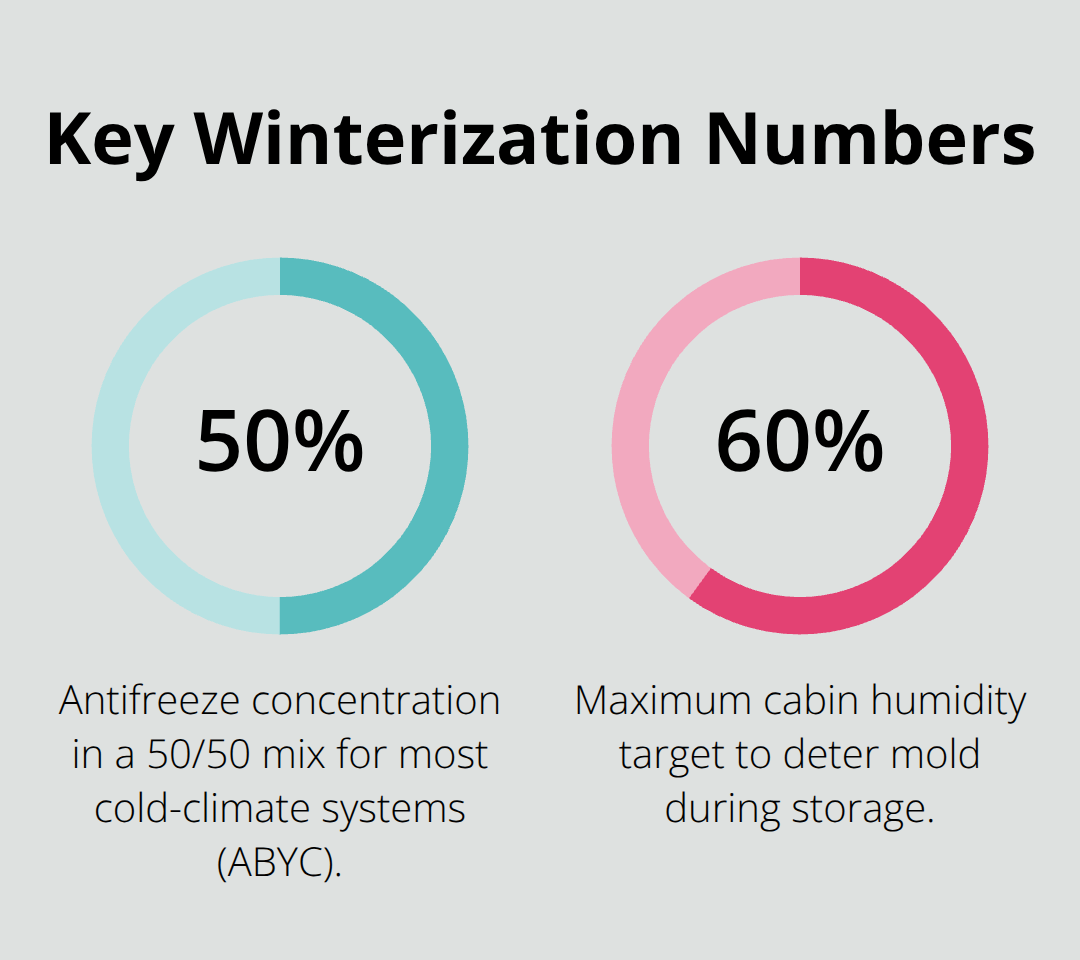
For water systems, drain all bilge and freshwater lines completely, or add antifreeze rated for your climate zone if your pontoon has built-in freshwater systems. Follow your owner’s manual for specific antifreeze concentrations and system requirements because different pontoon models have varying configurations. The American Boat and Yacht Council recommends a 50/50 antifreeze-water mix effective down to -30°F for most cold-climate applications.
Clean and Inspect Before Storage
Wash the entire pontoon including decks, rails, and pontoon tubes with fresh water to remove salt, algae, and debris that accelerate corrosion and mold growth. Dry everything completely, then inspect the hull, pontoon seams, and all fittings for existing damage or corrosion spots. Treat exposed aluminum with a marine-grade corrosion inhibitor to prevent oxidation during storage.
Clean the interior thoroughly, vacuum carpeting, and wipe down all upholstery, then apply a vinyl protectant to seating to reduce UV damage and cracking. Remove all loose gear, food, and drink from the boat because rodents are attracted to these items and will nest in your upholstery and wiring.
Control Moisture and Pests
Place rodent deterrents around the deck and under the cover to discourage pests from entering. Keep cabin humidity below 60% to prevent mold and mildew growth on vinyl and fabric during storage. For outdoor storage, ensure your cover slopes slightly with drainage points so water sheds properly rather than pooling on top, and use a breathable, vented cover rather than plastic sheeting that traps moisture and promotes condensation damage underneath.
Final Thoughts
Winter pontoon storage protects your investment from thousands in repair costs and preserves resale value when you eventually sell your cabin. The three storage options each serve different situations: indoor climate-controlled facilities offer maximum protection at $37 per foot, outdoor covered storage provides solid defense at $30 per foot with professional shrink-wrapping, and on-property storage works only if you have covered shelter and commit to monthly inspections. The financial comparison is clear-you spend $300 to $500 on pontoon storage, which costs far less than engine rebuilds, hull repairs, or losing thousands in resale value from freeze damage and corrosion.
Your preparation steps determine how well your pontoon emerges in spring. Fuel stabilization, engine fogging, battery protection, complete water system drainage, and thorough cleaning prevent the damage that makes spring launches frustrating and expensive. Moisture control through breathable covers and desiccants stops mold growth that ruins upholstery and vinyl seating, while rodent deterrents protect wiring and interior components from pest damage during the nine-month storage season.
Start your storage planning now rather than waiting until November when facilities fill up and weather turns unpredictable. Document your boat’s condition with photos before sealing it up, keep a winterization checklist, and schedule monthly winter checks if storing outdoors or on your property. If managing your cabin property feels overwhelming, Up North Property Management offers full-service vacation rental management in Northern Minnesota, handling everything from maintenance to property care so you can focus on enjoying your cabin without stress.