
Northern lakes offer something different in every season. At Up North Property Management, we’ve seen guests return year after year because there’s always a new lake activity to experience.
Summer brings boating and swimming, while winter opens up snowmobiling and ice fishing. Spring and fall each have their own appeal, from kayaking to wildlife viewing.
Summer Water Activities That Drive Peak Bookings
Fishing and Boating Command Early-Season Demand
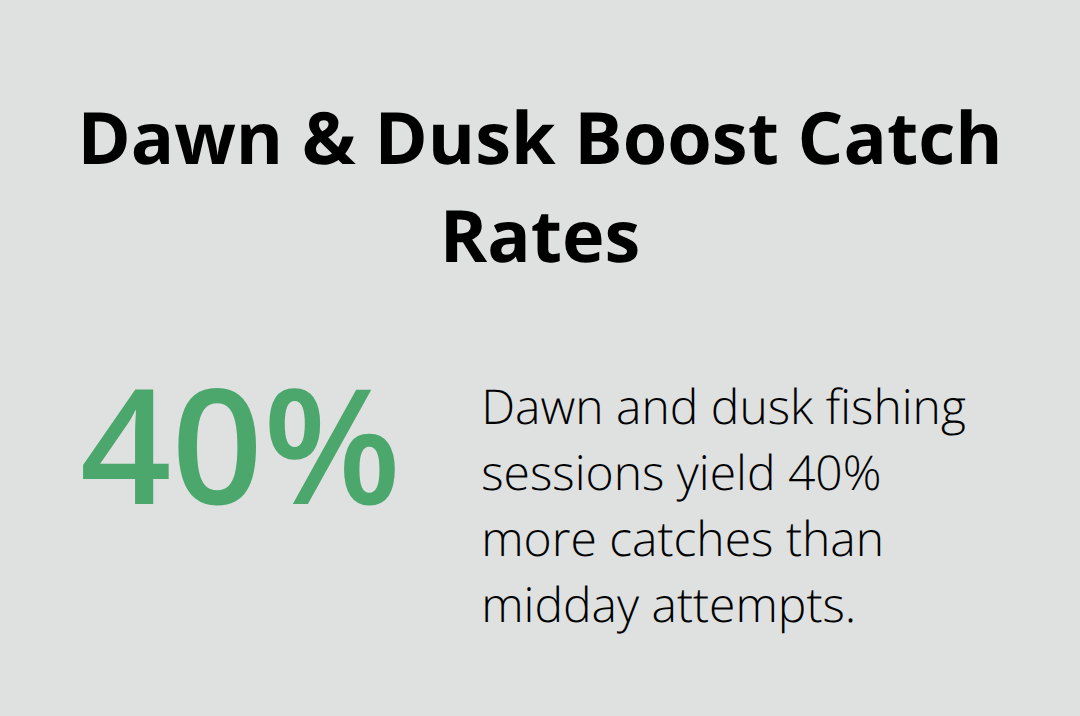
Summer transforms northern lakes into playgrounds where guests spend entire days on the water. The season runs from Memorial Day to Labor Day, and this window defines when most lake properties hit peak occupancy. Fishing starts strong in early June when water temperatures stabilize, making this the ideal time for guests targeting largemouth bass and pike. Charter captains report that dawn and dusk fishing sessions yield 40% more catches than midday attempts, so guests who wake early land bigger hauls.
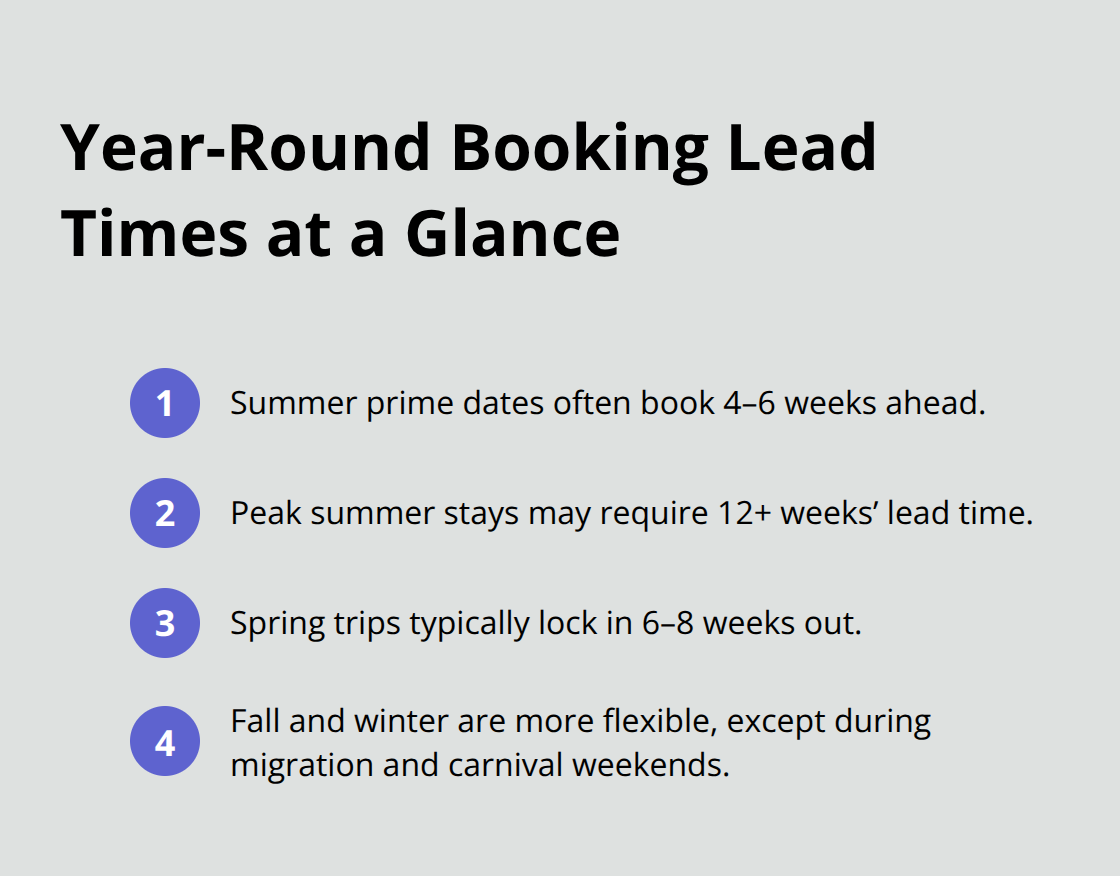
Boating activity peaks on weekends, but Tuesday and Wednesday mornings attract savvy guests who want calmer waters and shorter wait times at launch ramps. Private captained boats transform a lake day into an exclusive floating venue, and booking them 4-6 weeks in advance locks in preferred dates during high-demand weekends.
Water Sports Peak When Temperatures Rise
Swimming and water sports dominate the afternoons when water temperatures peak above 72°F, making conditions comfortable for extended time in the water. Stand-up paddleboarding offers a full-body workout while allowing flexible group exploration; beginners should start kneeling in calm water with their gaze on the horizon to maintain balance.
Water skiing delivers thrills for experienced guests, while beginners benefit from a stable pull using two skis to start. Wakeboarding on a private charter allows progression from beginner tricks to advanced airs, so guests return across multiple summer visits to master new skills.
Outdoor Spaces and Amenities Extend Stays
Lakeside dining and picnicking extend guest stays beyond water activities. Guests who pack coolers with fresh catch from morning fishing sessions create memorable meals on the water, and this culinary reward incentivizes earlier bookings and longer stays. Multiple shaded picnic areas with tables and grills sit at most northern lake access points, with many sites wheelchair-accessible and offering water and restroom facilities nearby.
Outdoor living spaces at rental properties become gathering hubs during summer-wraparound decks, multiple seating zones, outdoor dining areas, and fire pits are the amenities guests specifically mention when returning for repeat bookings. Properties that include watercraft or easy access to kayaks, canoes, and stand-up paddleboards significantly boost guest satisfaction and time on the water.
Family-Friendly Features Drive Repeat Bookings
Large groups and families are drawn to multi-bedroom layouts with family-friendly features like bunk rooms and high chairs, and these properties consistently see repeat bookings during summer months. Design-forward interiors with floor-to-ceiling lake views and scenic overlooks enhance perceived value and create Instagram-worthy moments guests share with friends. Properties positioned near state parks and hiking routes add day-trip options that broaden appeal beyond pure water activities.
Summer represents the window when guests make their year-round plans. Properties offering a complete package of water access, dining spaces, and nearby attractions capture bookings for future seasons-and set the stage for fall adventures that keep guests engaged long after summer ends.
Fall and Winter Transform Northern Lakes Into Seasonal Destinations
As summer fades, northern lakes shift into their most dramatic seasons. Fall transforms shorelines with vibrant foliage while water temperatures drop from comfortable swimming range into the 50s, making hiking and nature trails the primary draw for returning guests. Falls Lake State Recreation Area spans nearly 25 miles of hiking trails through diverse habitats, attracting guests who want to explore without spending entire days on the water.
Snowmobiling and Winter Sports Extend the Season
The Lake George Area features over 300 miles of mapped and maintained snowmobile trails suitable for riders of all abilities, and this infrastructure keeps properties booked solid from November through February. Gore Mountain, New York’s largest ski resort, sits within reach of many northern lake properties and offers terrain for all skill levels, extending the appeal of fall and winter stays beyond lake-specific activities. Winter also unlocks ice fishing opportunities that summer guests never experience-largemouth bass, crappie, and catfish remain active under ice, and North Carolina Inland Fishing License holders can fish from piers or through holes in designated areas.
Wildlife Viewing Peaks During Migration and Winter Months
Wildlife viewing intensifies during fall migration and winter months when birds concentrate around water sources. The Lake George Area lies along a major migration corridor, and birdwatchers spot great blue herons, warblers, finches, woodpeckers, and bald eagles with remarkable consistency. These seasonal patterns attract guests who specifically plan trips around migration windows, creating predictable booking cycles that extend well beyond summer peaks.
Photography and Scenic Experiences Drive Return Visits
Photography opportunities explode during these seasons-sunrise views over limestone bluffs, frost-covered trees, and snow-laden shorelines create content guests actually want to share. Properties near state parks and hiking access points attract guests planning multi-day adventures that combine land and water exploration. The Lake George Winter Carnival runs every weekend in February with chili cook-offs, outhouse races, and Saturday fireworks, creating built-in social experiences that encourage group bookings and longer stays.
Why Fall and Winter Guests Return With Different Expectations
Fall and winter aren’t slower seasons for well-positioned properties-they’re when guests who missed summer return with different expectations, seeking solitude, dramatic scenery, and activities that simply don’t exist when water temperatures peak. This seasonal shift creates opportunities for properties to attract entirely new guest segments. Spring arrives next, bringing its own set of activities that bridge the gap between winter’s quiet intensity and summer’s water-focused energy.
Spring Awakening at Northern Lakes
Spring arrives with water temperatures still in the 50s to low 60s, making traditional summer swimming uncomfortable but opening entirely different opportunities that draw returning guests. Kayaking and canoeing dominate spring bookings because calmer waters and reduced boat traffic create ideal conditions for paddlers exploring coves and shorelines without fighting weekend crowds. Water temperatures around 58°F in April demand layered clothing and proper safety gear, but experienced paddlers know spring offers the clearest water visibility of the year as runoff settles and algae hasn’t yet bloomed. Properties near launch points on Falls Lake or similar access areas attract consistent spring bookings from guests specifically timing trips around this window.
Birdwatching Transforms Spring Into Peak Viewing Season
Migration season transforms spring into peak viewing months-the Lake George Area lies along a major migration corridor where great blue herons, warblers, finches, and woodpeckers concentrate around water sources during their northbound journey. Migration peaks in late April through May, creating predictable booking windows that property managers can leverage months in advance. Guests serious about photography during migration often book back-to-back weekends to capture different species, and properties positioned near state parks with hiking access to overlooks command premium rates during these weeks.
Flexible Accommodations Capture Spring Travelers
Outdoor camping and lodging shift dramatically in spring-many guests transition from indoor rentals to waterfront camping experiences, and properties offering flexible accommodation options capture this segment. Shoulder season pricing (roughly 20-30% below summer rates) makes spring attractive for budget-conscious families while still providing reliable occupancy that bridges the gap between winter and peak summer demand. Spring bookings typically book 6-8 weeks in advance rather than the 12+ weeks summer requires, allowing property managers flexibility to adjust availability and pricing based on early-season demand signals.
Safety Preparation Matters for Cold-Water Activities
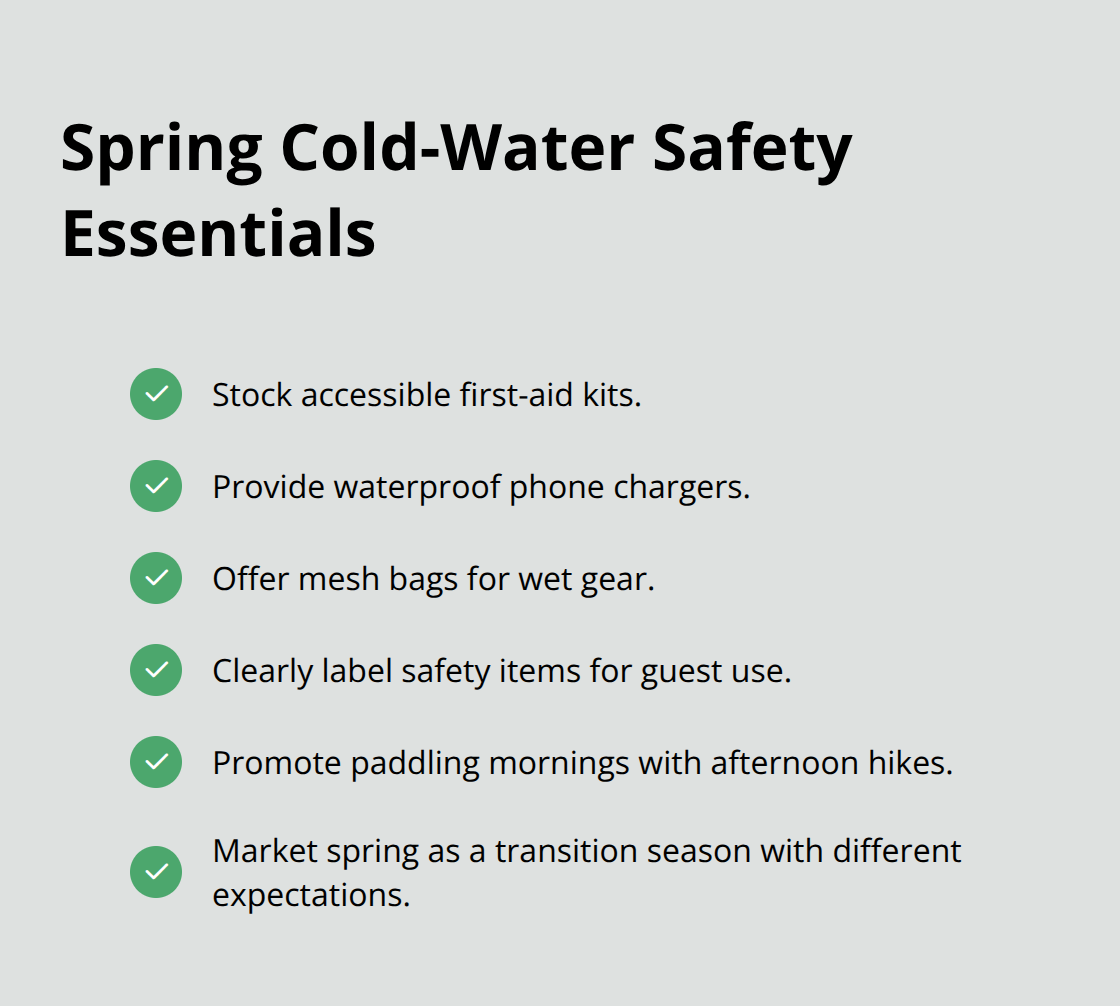
Water safety becomes critical as temperatures remain cold-properties should stock accessible first-aid kits, waterproof phone chargers, and mesh bags for wet gear and clearly label these items for guest use. Properties near state parks with maintained trails attract higher spring occupancy than lake-only rentals because guests want multi-day itineraries combining paddling mornings with afternoon hiking, creating reasons to extend stays beyond weekend trips. Spring represents the transition season where water activities resume but demand different expectations than summer, fundamentally changing how properties should market and prepare for bookings.
Final Thoughts
Northern lakes deliver different experiences across every season, and this variety is exactly why guests return repeatedly. Summer water activities draw families and groups seeking peak season energy, while fall and winter attract guests craving solitude and dramatic scenery. Spring bridges these worlds with kayaking and migration viewing that demand different preparation than summer swimming.
Memorable experiences happen when guests find exactly what they’re seeking at the right time. A family that fishes in June returns in October for hiking and wildlife viewing. A couple who paddled in spring comes back in winter for ice fishing and quiet mornings. This seasonal rotation keeps properties booked across months that many owners assume are slow, and matching your property to these shifting interests through accessible amenities and clear safety information transforms slow seasons into reliable revenue.
Summer demands early booking-4 to 6 weeks ahead for prime dates-while fall and winter allow more flexibility since fewer guests compete for availability (though migration season and winter carnival weekends fill quickly). Spring bookings typically lock in 6 to 8 weeks out, giving you time to decide without the summer rush.
We at Up North Property Management help lake properties attract guests year-round by marketing across all seasons and managing bookings that match what each season actually offers-contact us today to learn how we support properties that keep guests coming back.