
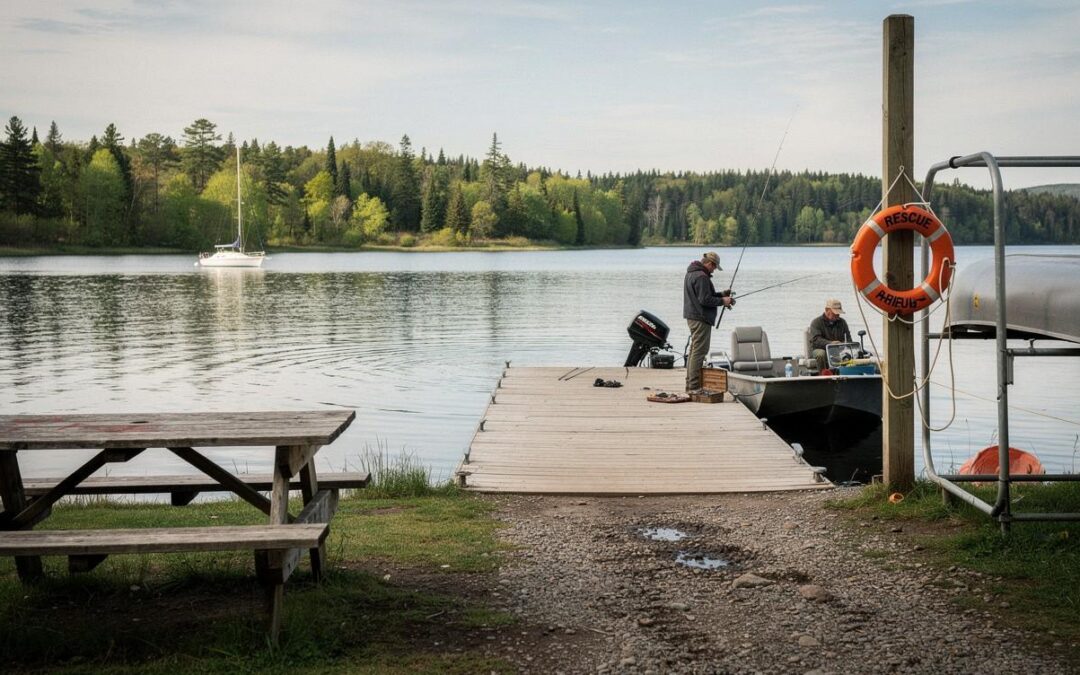
Mille Lacs Lake sits in the heart of northern Minnesota, surrounded by some of the region’s best attractions. Whether you’re after walleye and northern pike or want to explore local history, this area delivers year-round.
At Up North Property Management, we’ve watched visitors fall in love with everything from scenic hiking trails to tribal heritage sites. This guide covers the outdoor adventures, cultural experiences, dining, and lodging that make Mille Lacs worth the trip.
Outdoor Adventures on Mille Lacs Lake
Fishing Opportunities and Species Available
Mille Lacs Lake ranks among Minnesota’s premier fishing spots, attracting anglers who chase walleye, northern pike, and largemouth bass year-round. The Minnesota Department of Natural Resources manages the lake with strict regulations that keep fish populations healthy, and recent surveys show walleye catches remain strong despite increased fishing pressure. Summer months bring the highest catch rates for walleye, with anglers landing fish between 15 and 22 inches regularly. Spring and fall produce excellent pike fishing, especially around the lake’s rocky points and shallow bays where structure concentrates larger fish.
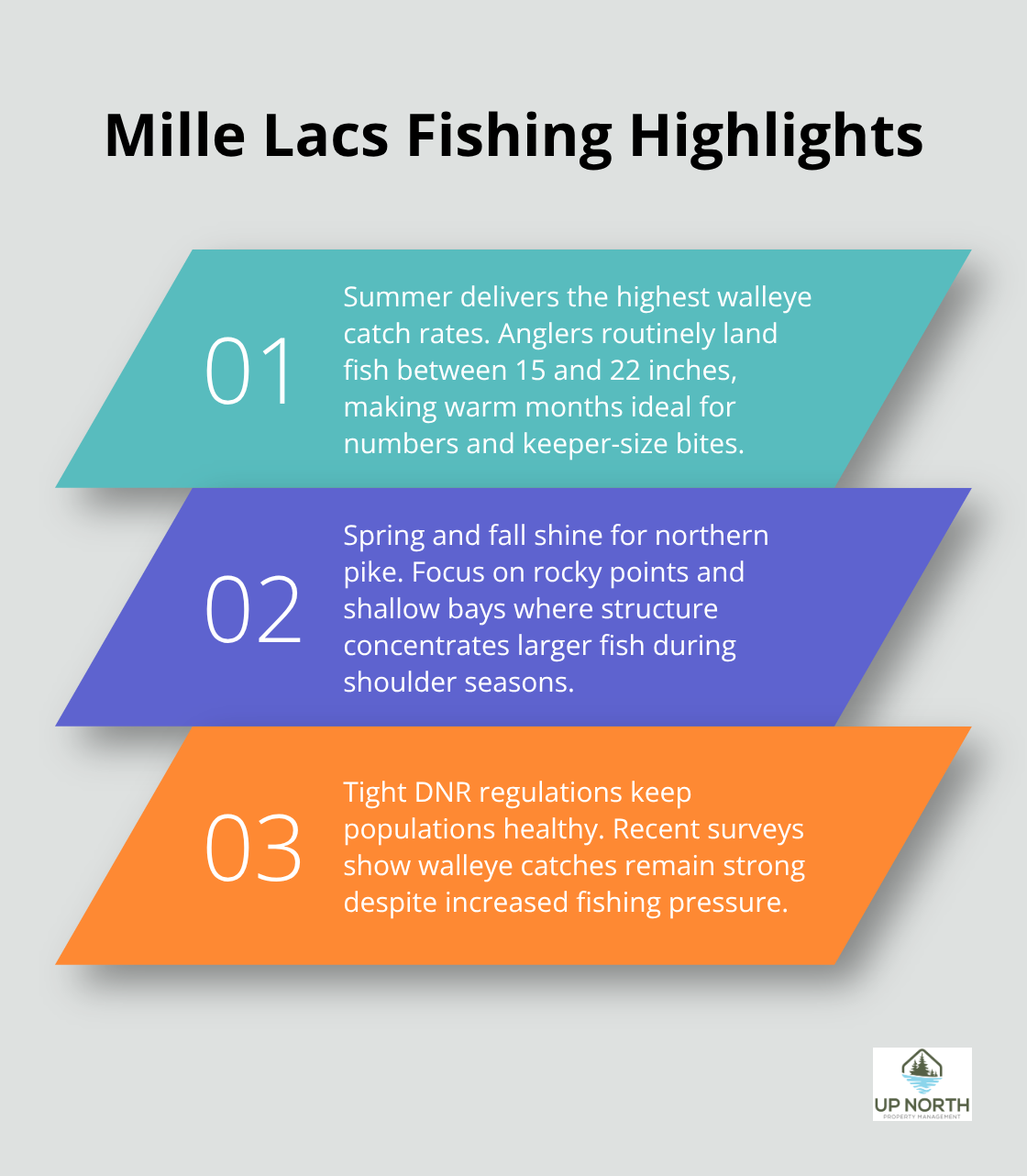
Winter ice fishing transforms the experience entirely, with February and March offering some of the best walleye action as fish move into deeper channels and holes. Most successful anglers hire local guides who charge between $400 and $600 per day and know exactly where fish congregate during each season. Public boat launches operate year-round at multiple locations around the 132,000-acre lake, eliminating the need for expensive private access.
Water Activities and Seasonal Recreation
Beyond fishing, Mille Lacs offers serious water recreation from May through October when surface temperatures stay above 60 degrees. Kayaking along the northern shoreline reveals rocky formations and wildlife viewing opportunities without the noise and fuel costs of motorized boats. The Superior Hiking Trail system offers more than 300 miles of sweeping vistas from the ridgeline overlooking Lake Superior, with sections near the lake and paths ranging from easy two-mile walks to challenging eight-mile treks through dense pine and birch forests.
Fall colors peak in late September and early October, drawing hikers who want dramatic scenery without traveling to the Boundary Waters. Winter transforms the landscape into a snowmobiling paradise, with over 200 miles of groomed trails connecting Mille Lacs communities to surrounding regions. Trail passes cost $25 to $35 daily and connect riders to restaurants and lodging along established routes.
Planning Your Stay for Maximum Adventure
Visitors who want to maximize their time on the lake benefit from staying close to boat launches and trailheads. Up North Property Management offers vacation rentals throughout the Mille Lacs area, with properties positioned for direct lake access or proximity to hiking routes. Whether someone needs a fishing cabin or a home near outdoor activities, the right accommodation makes the difference between a rushed trip and a truly memorable experience.
History and Heritage Around Mille Lacs
The Ojibwe Presence and Treaty Rights
The Mille Lacs area holds deep cultural significance that extends far beyond scenic views and outdoor recreation. The Mille Lacs Band of Ojibwe Indians has inhabited this region for centuries, and their presence shapes everything from local museums to community events throughout the year. The 1854 Treaty of La Pointe guaranteed the Mille Lacs Band harvesting rights on the lake, a fact that continues to shape modern fishing regulations and resource management decisions today. This treaty remains central to Ojibwe identity and ongoing tribal sovereignty in the region.
Museums and Authentic Cultural Learning
The Mille Lacs Indian Museum, operated by the tribal nation, showcases authentic artifacts, traditional crafts, and detailed exhibits about Ojibwe life and governance. Admission costs around $7 for adults, making it an affordable way to understand the region’s true history rather than sanitized tourist versions. The museum staff includes tribal members who provide context that textbooks simply cannot match, explaining how the lake itself remains integral to Ojibwe culture and resource management.
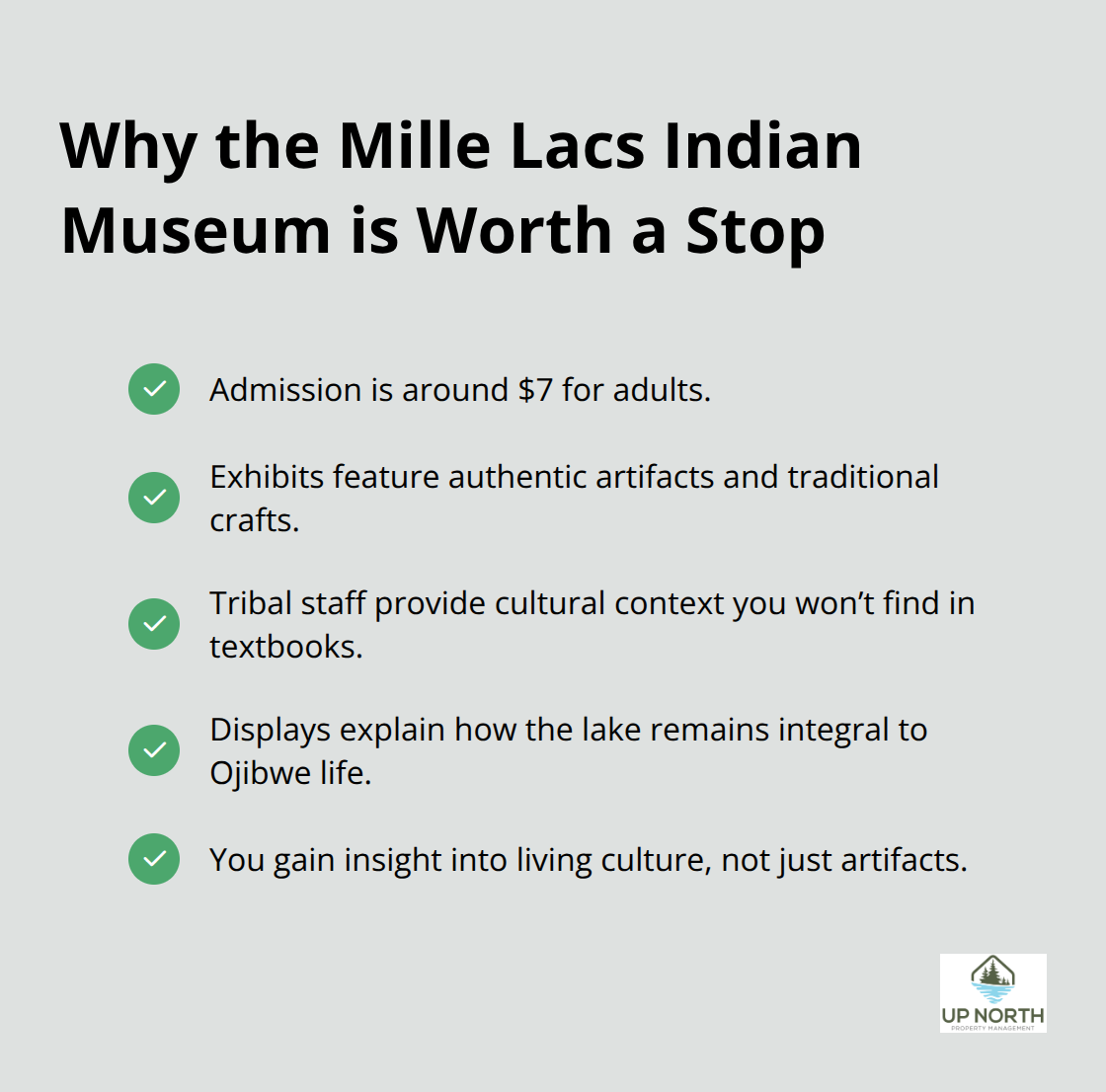
Visitors gain perspective on indigenous history that most tourist attractions fail to provide.
The Aitkin County Historical Society operates a separate museum featuring logging equipment, period photographs, and stories of early settlers who arrived after indigenous peoples had already sustained themselves here for generations. These two institutions (tribal and county) offer complementary perspectives on the region’s past, though the tribal museum provides irreplaceable insight into living culture rather than historical artifact alone.
Powwows and Traditional Food
Seasonal events like the Mille Lacs Band’s powwows, held throughout summer and fall, offer visitors genuine cultural experiences rather than commercialized performances. These gatherings feature traditional drum circles, dance competitions, and food that reflects actual Ojibwe culinary traditions. The powwow schedule varies annually, so checking the Mille Lacs Band’s official website before planning a visit makes sense. Local restaurants in communities like Onamia and Isle increasingly feature wild rice dishes and other ingredients with deep roots in the region’s indigenous food systems (wild rice harvesting remains a protected tribal right under the treaty).
Visitors who spend time learning this history gain far more appreciation for the landscape itself, understanding that Mille Lacs represents living culture and ongoing tribal presence. This cultural foundation shapes everything you’ll experience in the area, from dining options to seasonal activities. When you plan accommodations for your visit, proximity to these cultural sites and events can significantly enhance your understanding of northern Minnesota’s true character.
Where to Stay and Eat Around Mille Lacs
Regional Restaurants and Authentic Cuisine
Mille Lacs attracts serious visitors who expect quality food and comfortable lodging, not tourist traps or mediocre chains. The area’s restaurants lean heavily into wild rice dishes and locally-sourced ingredients that reflect actual regional cuisine rather than generic Midwestern fare. Onamia’s dining scene centers on establishments that serve walleye caught from the lake itself, prepared fresh rather than frozen and shipped from industrial suppliers. Isle and McGregor offer similar commitments to regional authenticity, with several restaurants sourcing from tribal food systems and local farms.
Prices run reasonable compared to resort destinations, with dinner entrees typically between $16 and $28, and many establishments offer daily specials that reduce costs further. The Mille Lacs Band’s food traditions heavily influence menus, making wild rice soup and traditional preparations accessible to visitors who want to taste the region’s actual culinary heritage rather than invented tourist cuisine.
Vacation Rentals and Property Selection
Vacation rentals around Mille Lacs range dramatically in quality and location, which means choosing wisely matters far more than booking the first available property. Properties positioned directly on the lake command premium prices between $200 and $400 nightly during peak summer season, while off-lake homes near hiking trails and cultural sites rent for $120 to $200 per night and offer better value if you split time between multiple activities.
Up North Property Management operates vacation rentals throughout the Mille Lacs area with properties in Aitkin, Isle, and McGregor. They handle multi-channel marketing, bookings, guest services, and coordinate cleaning and maintenance. Choosing a well-managed rental eliminates the frustration of booking platforms where communication breaks down and maintenance issues go unresolved mid-stay.
Family Accommodations and Cost Savings
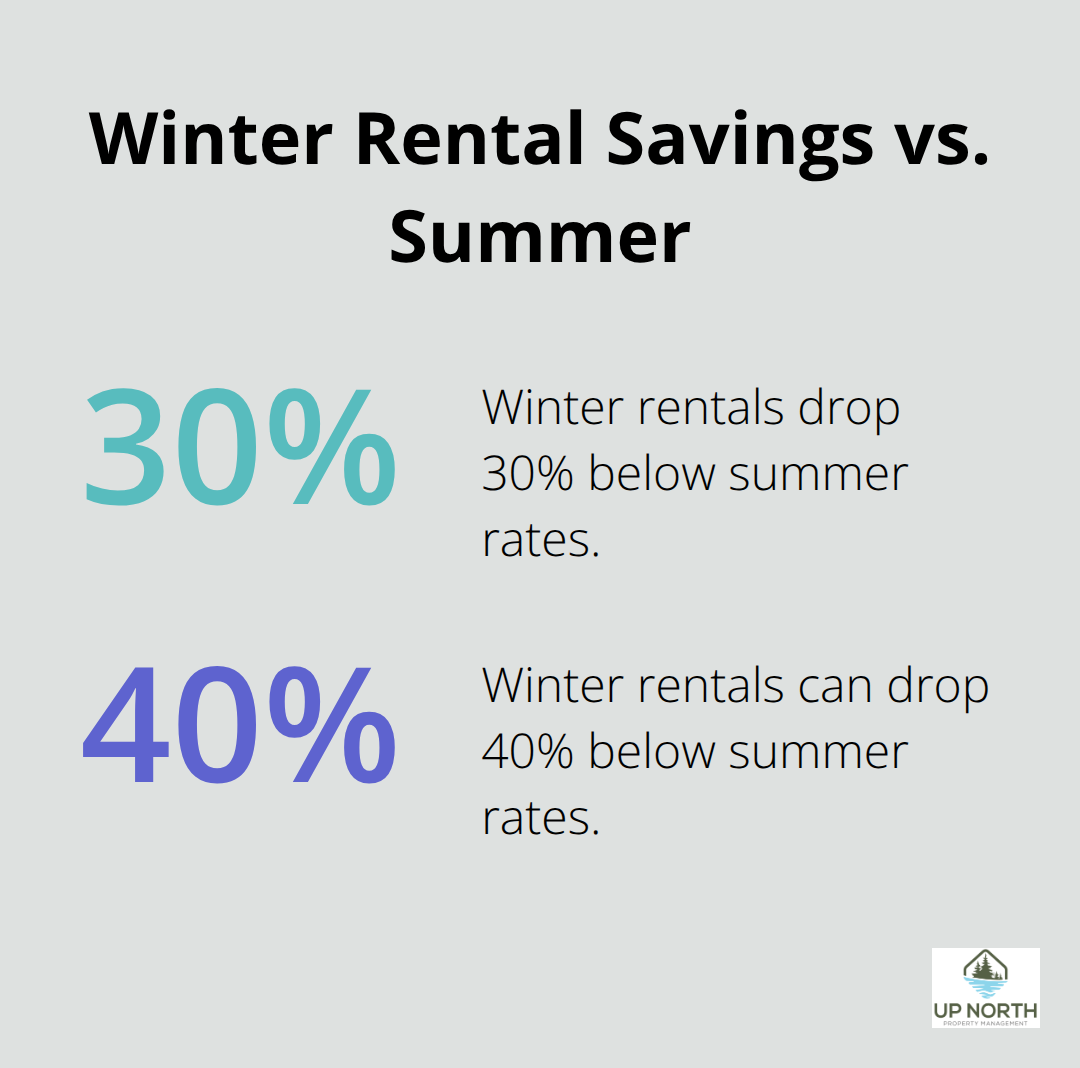
Families traveling with children benefit from rentals with full kitchens, which allow you to prepare meals between restaurant visits and save significantly on food costs during week-long stays. Winter rentals often drop 30 to 40 percent below summer rates, making January through March attractive for budget-conscious travelers who don’t mind colder weather but want access to snowmobiling and ice fishing without premium pricing.
Final Thoughts on Mille Lacs
Mille Lacs attractions span everything from world-class walleye fishing to authentic Ojibwe cultural experiences, making this region genuinely different from typical Minnesota tourist destinations. The lake itself produces consistent fishing results year-round, while hiking trails, powwows, and regional restaurants rooted in tribal food traditions offer experiences you won’t find manufactured elsewhere. Summer brings peak water recreation and warm weather hiking, but fall colors in late September and October attract visitors who want dramatic scenery without crowds, and winter transforms the landscape into a snowmobiling and ice fishing paradise with trail passes running $25 to $35 daily.
Planning your trip means matching the season to your priorities rather than assuming summer works best for everyone. Families benefit from winter rates that drop 30 to 40 percent below peak season pricing, while serious anglers should target February and March for walleye or spring and fall for pike. Accommodations matter more than most visitors realize, since staying near boat launches, trailheads, or cultural sites eliminates wasted travel time and maximizes what you actually experience during your stay.
We at Up North Property Management manage vacation rentals throughout the Mille Lacs area in Aitkin, Isle, and McGregor, handling everything from multi-channel marketing and bookings to guest services and maintenance coordination. Our properties come fully equipped for stress-free stays, whether you need direct lake access for fishing or proximity to hiking routes and museums (all with no communication breakdowns or unresolved maintenance issues). Start planning your Mille Lacs trip by visiting Up North Property Management to explore available properties that match your specific needs and budget.