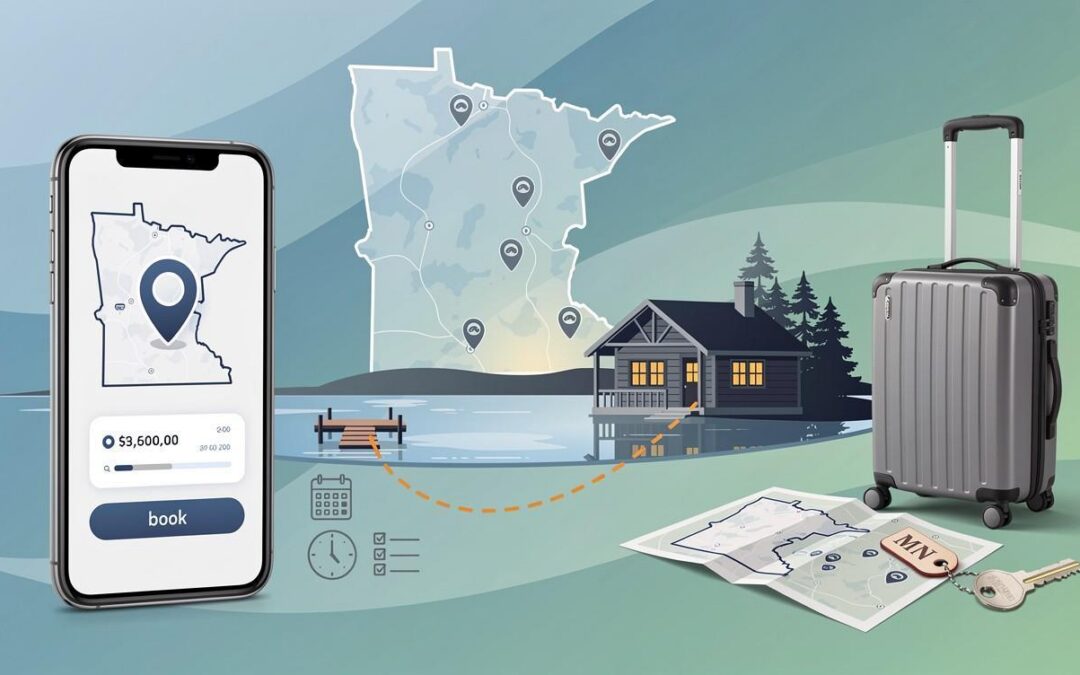
Minnesota short term rentals have exploded in popularity over the past few years, and for good reason. Whether you’re escaping winter or chasing summer adventures, these properties offer flexibility and comfort that traditional hotels simply can’t match.
At Up North Property Management, we’ve watched this trend firsthand. This guide walks you through everything you need to know to book smart, pack right, and make the most of your Minnesota getaway.
Why Minnesota Short-Term Rentals Are Booming Right Now
The Numbers Behind the Growth
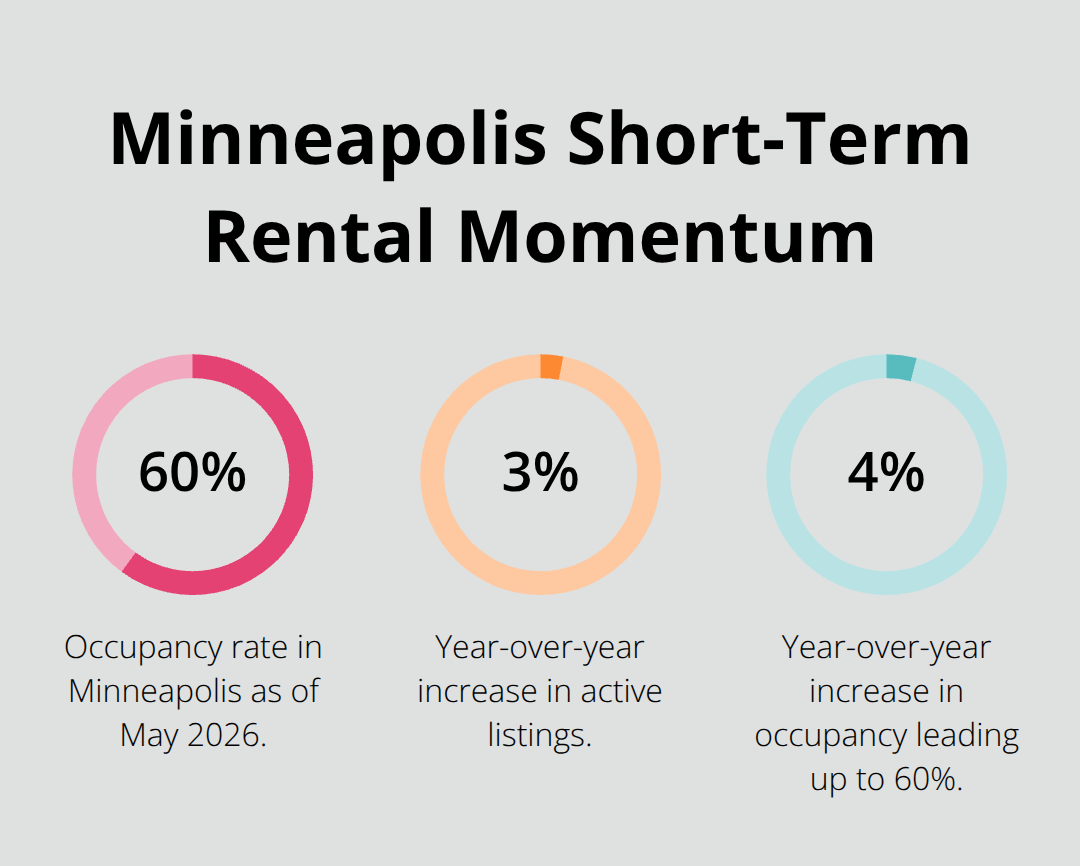
Minnesota has become a legitimate short-term rental powerhouse, and the data confirms it. As of May 2026, the state offers over 22,000 available short-term rental properties across more than 100 booking platforms. Minneapolis alone hosts 3,294 active listings with a market score of 78 from AirDNA, indicating strong overall health. The market is expanding too-Minneapolis listings increased 3% year-over-year, with occupancy climbing 4% to 60% and average daily rates hitting $176.70.
This growth reflects genuine demand from travelers who value flexibility and space over traditional hotel rooms. Remote workers relocating to Minnesota specifically seek furnished rentals as bridge housing before committing to permanent leases. Families planning multi-generational trips prefer entire homes with kitchens and laundry over cramped hotel rooms. The state’s 22,408 rental options range from budget studios under $100 per night to premium lakefront cabins exceeding $200, meaning inventory exists across every price point and guest type.
Year-Round Appeal Drives Consistent Demand
Minnesota’s year-round appeal fuels this boom. Summer attracts water enthusiasts to the state’s bodies of water, with Gull Lake anchored by three historic resorts-Grand View Lodge (established 1916), Madden’s (1929), and Cragun’s (1940)-collectively offering 153 holes of championship golf. Winter brings snowmobile and skiing crowds. Spring and fall draw cyclists to the Root River Trail’s paved path and the Mesabi Trail’s 132-mile route between Grand Rapids and Ely. Cultural events like the Stone Arch Bridge Festival in June and the Hutchinson Garlic Festival in August create specific booking windows. Tourism to Northern Minnesota lakes continues climbing, fueling demand for accommodations beyond what hotels can supply.
How Hosts Win in This Market
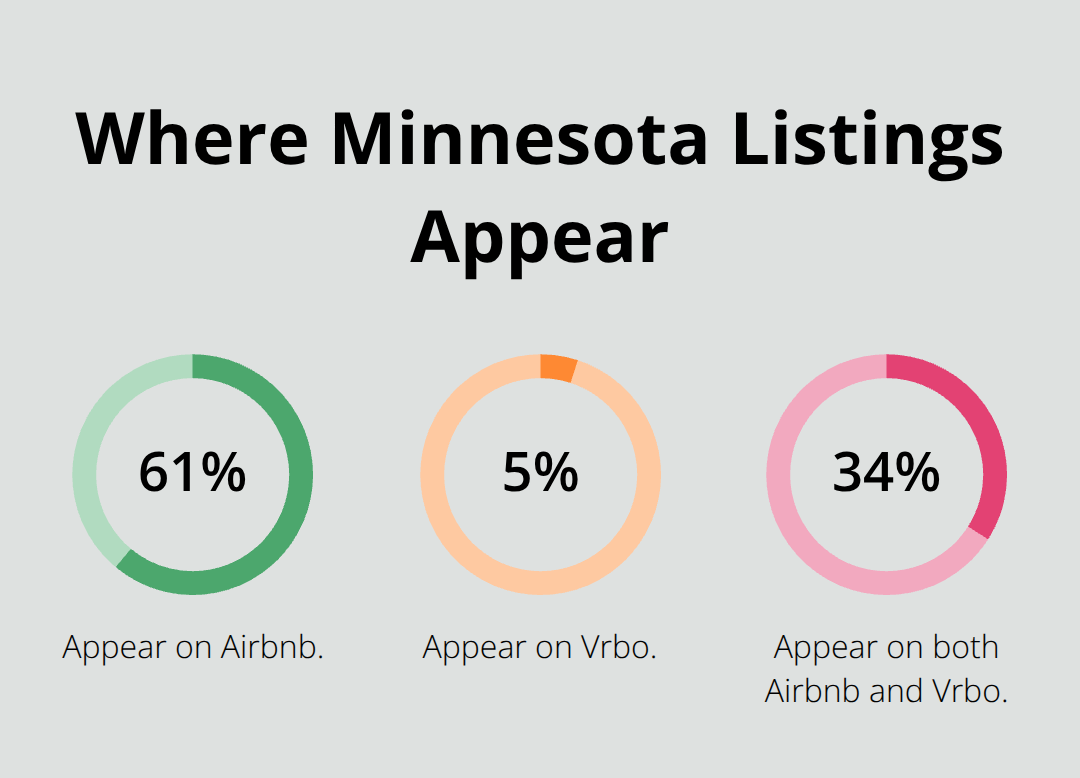
The practical result: short-term rentals aren’t a niche anymore. They’ve become the default choice for travelers who want kitchen access, multiple bedrooms, and direct host communication rather than front desk interactions. Properties that list across multiple platforms-61% appear on Airbnb, 5% on Vrbo, and 34% on both-capture more bookings. Hosts using moderate cancellation policies (the most common at 43.9%) attract guests who want flexibility without the friction of strict policies.
The market rewards preparation, visibility, and understanding what guests actually want. Those who master these fundamentals position themselves to capitalize on Minnesota’s booming short-term rental landscape and the travelers actively seeking their next getaway.
Planning Your Minnesota Getaway Like a Pro
Speed and Strategy Win Peak Season Bookings
Booking a Minnesota short-term rental during peak season demands speed and strategy. Summer months and winter holidays fill up fast, with properties showing 47.3% occupancy rates across Minneapolis. Search across multiple platforms simultaneously rather than checking Airbnb alone. Since 34% of Minnesota listings appear on both Airbnb and Vrbo, you’ll find different availability windows on each platform. Set alerts on both sites two to three months before your travel dates, then book within 48 hours of finding a match that meets your needs.
Cancellation Policies Shape Your Flexibility
Properties with moderate cancellation policies dominate the market, giving you legitimate flexibility if plans shift. Avoid properties listing strict or super strict policies unless you’re absolutely certain about your dates. For extended stays longer than seven nights, contact hosts directly through the platform before booking. Many offer weekly discounts not displayed in search results.
Pricing Varies Across Neighborhoods and Property Types
An ADA-accessible studio near Minneapolis airport rents for around $93 per night, while a walkable St. Paul three-bedroom near Selby Avenue costs approximately $109 per night for multi-night bookings. This pricing data from aggregated Minnesota listings shows you exactly what to expect across different neighborhoods and property types. Budget-conscious travelers find options under $100 per night, while premium lakefront cabins exceed $200 nightly.
Pack Strategically for Northern Climate Swings
Minnesota’s northern climate means preparing for temperature swings that catch unprepared travelers off guard. Winter requires insulated jackets, waterproof boots, and thermal layers since temperatures regularly drop below freezing from December through February. Spring and fall demand layered clothing because mornings stay cold while afternoons warm significantly. Comfortable walking shoes matter more than most realize since popular areas like Duluth’s three-mile Lakewalk and the Root River Trail’s paved cycling path mean substantial foot traffic. Insect repellent becomes essential from May through September when mosquitoes thrive near water. Sunscreen protects against reflection off snow in winter and water in summer.
Rentals With Kitchens and Laundry Cut Costs Dramatically
Choose rentals with kitchens and laundry facilities rather than booking properties without them. This single decision cuts vacation food costs dramatically and eliminates the need to pack excessive clothing. A four-bedroom Maplewood home that sleeps ten with Netflix and a large backyard demonstrates how properly equipped rentals serve multi-family groups better than connecting hotel rooms. Properties near attractions like the Paul Bunyan Trail in Walker or the Mayo Clinic area in Rochester offer kitchen access that transforms extended stays from hotel-dependent situations into cost-effective alternatives. With the right rental secured and your bags packed appropriately, you’re ready to explore what Minnesota’s most popular destinations actually offer visitors.
What to Actually Do in Minnesota Beyond Your Rental
Duluth and Lake Superior Demand a Full Day
Duluth deserves a full day minimum because the three-mile Lakewalk runs directly along Lake Superior with views that shift constantly based on weather and season. The Lake Superior Maritime Visitor Center provides legitimate context about shipping history that transforms a waterfront walk into actual learning. Vikre Distillery and Hoops Brewing offer afternoon stops that require no elaborate planning-you walk in, order, and sit. Hawk Ridge bird viewing attracts serious birders during migration seasons, while the Duluth Children’s Museum keeps families occupied on rainy afternoons. This combination of outdoor access, educational stops, and casual dining makes Duluth work as either a day trip from Twin Cities rentals or a multi-night destination on its own.
Cycling Trails Connect Multiple Towns Across the State
The Root River Trail delivers a legitimate 60-mile paved path ideal for two to three-day trips starting from Fountain or Houston. Luggage shuttle services available through local outfitters mean you don’t carry gear between stops-a critical advantage for travelers without serious cycling backgrounds. The Mesabi Trail features almost 150 miles of paved asphalt ideal for biking, walking, hiking and running, with the same shuttle infrastructure making multi-day cycling viable even for families with mixed fitness levels. The Gateway Trail runs 18 miles from St. Paul through eastern suburbs to Stillwater, with a popular snack stop at mile marker 15 that breaks up the ride perfectly. Rental properties positioned near these trails (like those in Walker across from the Paul Bunyan Trail) function as bases for morning cycling and evening restaurant visits without requiring vehicle dependence.
Golf, Art, and Wilderness Create Specific Weekend Packages
Gull Lake anchors the central lakes region with three historic resorts offering championship golf: Grand View Lodge (established 1916) provides 63 holes, Madden’s (1929) delivers 45 holes, and Cragun’s (1940) adds another 45 holes. These properties enable weekend golf packages for groups without requiring separate course bookings across multiple locations. Lanesboro combines the Bluff Country Studio Art Tour with the Root River State Trail, creating weekends where art gallery hopping and cycling happen simultaneously. The Boundary Waters Canoe Area Wilderness near Ely attracts families for the Dorothy Molter Root Beer Museum, North American Bear Center, and Soudan Underground Mine tours rather than just wilderness paddling. Stone Arch Bridge Festival in Minneapolis (June 14–15) draws 200+ artists and creates specific booking windows where rental availability matters more than usual pricing.
Food Scenes Reward Exploration Beyond Standard Searches
Local dining rarely matches what travelers expect, which means rental kitchens become strategic advantages rather than optional conveniences. The Hutchinson Garlic Festival on August 9 features garlic-butter soft serve and garlic Bloody Mary as actual menu items, not novelty gimmicks, suggesting regional food scenes reward exploration beyond standard restaurant searches. Stillwater anchors the St. Croix River valley with The Oxbow Hotel and The Lismore offering riverfront dining that justifies overnight stays, plus boutique shopping that occupies entire afternoons. Traders Market in Elko New Market operates Memorial Day, Fourth of July, and Labor Day weekends with 300+ antique and collectible booths, making early-bird passes worthwhile for serious collectors. Properties with kitchens and laundry facilities cut vacation food costs dramatically while eliminating the need to pack excessive clothing.
Property Hosts Provide Local Knowledge That Tourism Websites Omit
Hosts managing properties near specific attractions understand seasonal timing, parking logistics, and crowd patterns that tourism websites omit entirely. Direct communication through rental platforms before arrival allows hosts to recommend restaurants they actually frequent rather than top-rated chains, provide trail condition updates that matter for cyclists planning specific routes, and coordinate check-in timing around local events that affect traffic patterns. Properties managed through full-service providers like Up North Property Management offer concierge support that handles reservations, activity planning, and logistics coordination, transforming rental stays into genuinely stress-free experiences rather than self-directed vacations requiring constant online research.
Final Thoughts
Minnesota short-term rentals deliver what hotels fundamentally cannot: kitchens that cut food costs, laundry facilities that eliminate excessive packing, and direct host communication that replaces impersonal front desk interactions. Minneapolis rentals average $176.70 per night with 60% occupancy, while comparable hotel rooms in the same neighborhoods cost significantly more without kitchen access or multi-bedroom layouts. Extended stays become genuinely affordable when you cook breakfast, pack lunches from rental kitchens, and eliminate daily restaurant expenses that accumulate quickly during week-long vacations.
Starting your next Minnesota getaway requires three concrete steps. Set alerts on both Airbnb and Vrbo two to three months before travel dates, then book within 48 hours of finding a property that matches your needs.
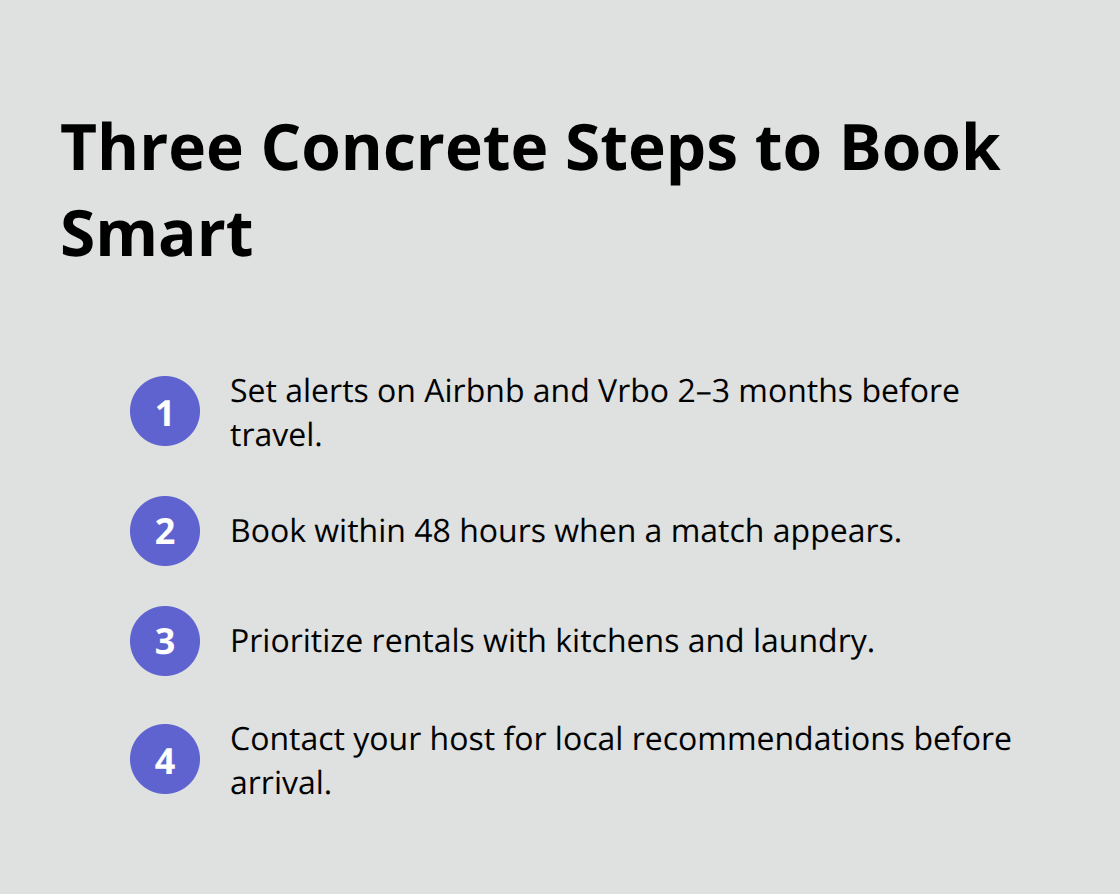
Prioritize rentals with kitchens and laundry facilities regardless of nightly rate, because these amenities pay for themselves through reduced food and clothing costs. Contact your host directly before arrival to request local recommendations that tourism websites omit entirely.
If you want stress-free planning without the research burden, Up North Property Management handles marketing, bookings, cleaning, and maintenance while offering concierge services that coordinate reservations and activity planning. Their full-service approach transforms Minnesota vacations from self-directed research projects into genuinely relaxing experiences. Your next Northern Minnesota adventure starts with booking the right property and packing strategically for the climate.